Exciting Projects that Teach Sustainable Practices to Students
Posted on 02/07/2024
In today's world, where environmental sustainability is becoming increasingly important, it is crucial to educate young minds about sustainable practices. This not only helps students understand the importance of preserving our planet, but also equips them with the necessary knowledge and skills to make a positive impact in their communities. Fortunately, there are many exciting projects being implemented in schools that teach sustainable practices in a fun and engaging way. Let's take a look at some of these innovative initiatives and the benefits they offer.

1) School Gardens
School gardens are an excellent way to introduce students to sustainable practices. These gardens can be used to grow fruits, vegetables, and herbs, and the process of gardening teaches students about composting, water conservation, and organic farming methods. They also get to witness firsthand how food can be grown without harmful chemicals and pesticides, making them more conscious of what they consume.
Moreover, school gardens also serve as outdoor classrooms where students can learn about various scientific concepts such as photosynthesis, plant life cycles, and soil composition. It also encourages teamwork as students work together to maintain the garden and share responsibilities. Not to mention, this hands-on approach makes learning more enjoyable and memorable for students.
2) Renewable Energy Projects
Renewable energy projects are another exciting way to educate students about sustainable practices. These can range from simple activities like building solar-powered bird feeders or wind turbines to more complex projects such as installing solar panels on school rooftops. By participating in these projects, students gain a better understanding of alternative energy sources and their benefits over non-renewable ones.
Furthermore, these projects help develop critical thinking skills as students design and build their own renewable energy systems. They also learn about the importance of energy conservation and how small changes can make a big impact on reducing carbon emissions.
3) Waste Reduction Programs
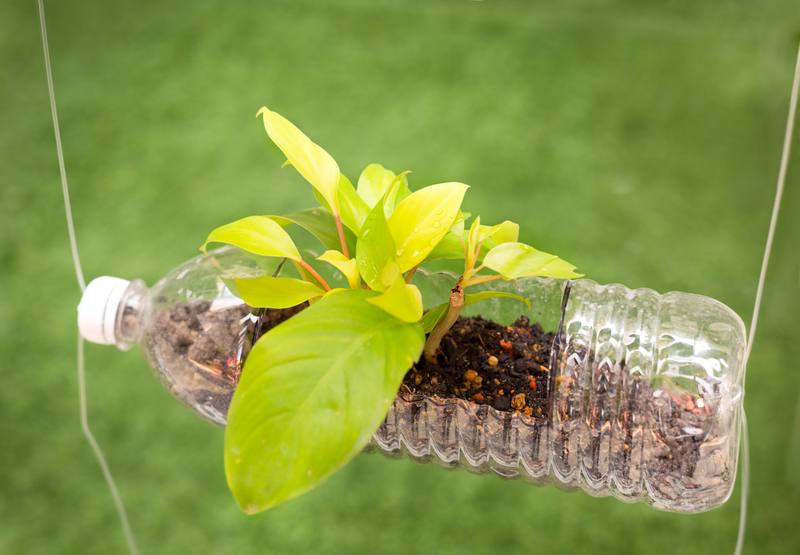
Waste reduction programs are becoming increasingly popular in schools as a way to teach students about sustainable practices. These programs involve recycling, composting, and reducing waste within school premises. Students learn about the importance of waste segregation and how to properly dispose of different materials.
In addition to promoting sustainable habits, these programs also help schools save money on waste disposal fees. Moreover, students can take these practices home and encourage their families to adopt them, further spreading the message of sustainability.
Pros and Cons
As with any educational program, there are pros and cons to implementing projects that teach sustainable practices to students. The main advantage is that it instills in them a sense of responsibility towards the environment from a young age. They are more likely to carry this mindset into their adult lives, leading to a more environmentally conscious society.
However, one downside may be the cost involved in setting up some of these projects. Renewable energy systems or school gardens may require initial investments, which might be challenging for some schools with limited budgets. Nevertheless, the long-term benefits far outweigh the costs.
Tips for Teachers
If you are a teacher looking to implement sustainable projects in your classroom, here are a few tips to keep in mind:
1. Involve students in the planning process: Encourage students' input and ideas when deciding on projects. This will make them feel more invested and motivated in the project's success.
2. Collaborate with other teachers: Sustainable practices can be incorporated into various subjects such as science, math, and social studies. Collaborating with other teachers can help make these projects more interdisciplinary.
3. Use available resources: Look for local organizations or government agencies that offer grants or resources for sustainable initiatives in schools.
Key Takeaways
Implementing exciting projects that teach sustainable practices has several benefits for students, including developing critical thinking skills, promoting teamwork, and creating a sense of responsibility towards the environment. It also helps schools save money in the long run and contributes to building a more sustainable future.
In conclusion, it is crucial to introduce students to sustainable practices as early as possible. By incorporating these projects into schools, we can equip the younger generation with the necessary knowledge and skills to make a positive impact on our planet. Let's continue to inspire and empower young minds to create a better and greener world for all.
Latest Posts
Organize and Energize: Summer is Ideal for Clearing Office Clutter