Creating Art from Recycled Materials

Posted on 05/10/2020

How to Create Art From Recycled Materials
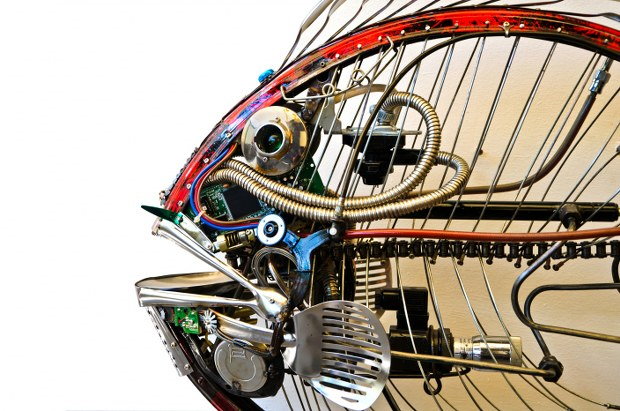
A close-up image of a mechanical artwork resembling a fish made from various recycled metal components, including gears, pipes, wires, and circuit boards, arranged to mimic fish features such as an eye, mouth, and fin. The sculpture is composed of metallic textures in silver, gold, and black, with some parts painted in red and blue accents. It is set against a plain, light background, highlighting the intricate details and craftsmanship involved in transforming discarded electronic and mechanical waste into artistic form. The piece is positioned on a flat surface with no visible environment, emphasizing its focus as an example of innovative reuse of waste materials. Such sculptures exemplify alternative waste handling and private collection approaches, often showcased in art projects that promote creative reuse of rubbish. This work was created by House Clearance as part of a creative exploration into recycling and waste management, reflecting the importance of environmentally conscious disposal and artistic repurposing of unwanted materials.

When you endeavour in domestic clearance, you are bound to find numerous old items that you no longer need. And the first impulse you get will be waste disposal, but don’t be so quick with the judgment. Think twice and think hard – how can you really use these items? Well, if you are an artsy and creative person, any piece of waste is purely material for your art and you can use your magic to turn it into a proper decoration. And any handy person can turn even the most broken down things into practical items. But back to decorations – instead of junk disposal, use your imagination and think how you can turn junk from your living room into pieces of art to brighten up your place with. Here are some examples of how you can do just that instead of reverting to rubbish disposal.
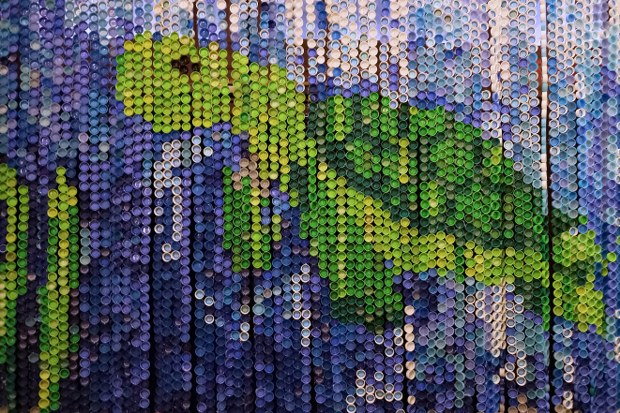
The image displays a large outdoor mural created from numerous small, circular objects arranged in a mosaic pattern. The objects vary in shades of green, yellow, purple, and blue, forming an abstract, vibrant design that resembles a leafy, organic motif. The background consists of vertically aligned rows of these circular elements, which are attached to a flat surface, likely a wall or fence, and the overall texture appears tactile and layered. The lighting highlights the glossy finish of the individual pieces, creating subtle reflections across the surface. The presence of this mosaic suggests a form of artistic expression utilizing recycled or repurposed materials, aligning with themes of sustainable art and alternative waste handling. It is situated in an outdoor environment, possibly on a building facade or garden wall, contributing an eye-catching focal point amid a surrounding urban or natural setting. The detailed visual composition underscores the resourceful use of materials, which could relate to efficient waste collection or recycling initiatives managed by a waste management company such as House Clearance.

Old CDs and DVDs
•    String a few together and make hanging decorations. String them in different colour combinations and shapes to make more complex decorations.
•    Break them and recombine them. Mosaics are the way to go to make difficult pictures and art. You will be surprised at how many mosaic paintings you can make with a set of movie DVDs.
•    Frame them in collections. How about making a frame of Beatles CDs? Or a circular one with the Smiths and Morrissey in the middle? Options are practically endless.
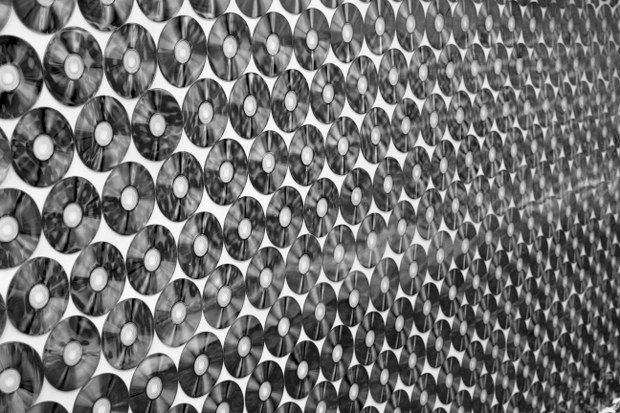
A large wall surface covered with numerous compact discs arranged in close, overlapping rows. The discs are primarily silver and metallic, reflecting light with varying degrees of shine and creating a textured pattern across the entire surface. The discs appear to be mounted on a flat vertical background, possibly part of a recycled or artistic installation related to waste handling or creative reuse of materials. The overall scene suggests an environment where discarded or repurposed items, such as CDs, are being organized or displayed, perhaps in an indoor setting or an outdoor installation. The lighting highlights the reflective quality of the discs, emphasizing their circular shape and metallic finish, while the uniform arrangement hints at a deliberate artistic or decorative approach associated with sustainable waste management practices. House Clearance’s expertise in rubbish removal could include the collection and disposal or reuse of such materials, aligning with alternative waste handling methods that promote recycling and resourcefulness.

Audio Cassettes
•    If you Google tape art, you will see a plethora of wonderful examples of artistic imagination. This is an example of all the possibilities you can try with a single audio cassette’s tape. Make a double of your favourite singer or actor, or create a complex ribbon – it’s all up to you.
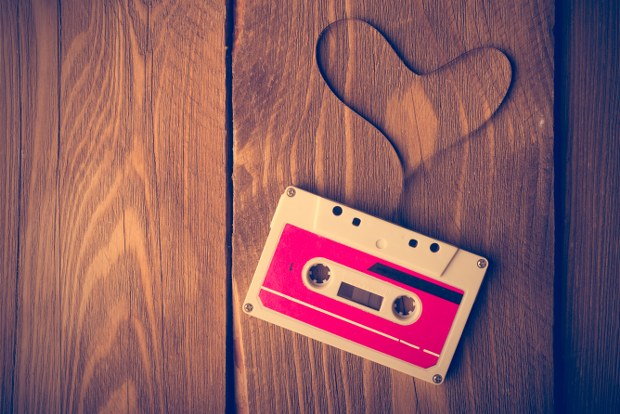
A vintage pink and white cassette tape lying on a wooden surface with a warm, natural finish. The tape's black reels and grey label are visible, contrasting with the bright pink casing. Above the cassette, a cut-out shape of a heart is formed directly on the wood, indicating a decorative or symbolic element. The wooden surface consists of wide, smooth planks with visible grain patterns and subtle color variations, contributing a rustic and textured background. The lighting appears natural and soft, casting gentle shadows that enhance the textures of both the wood and the cassette. The scene evokes a sense of nostalgia, seamlessly aligning with themes of personal keepsakes or items that might be stored during a private collection or clearance activity, such as those handled by House Clearance or similar waste removal services. This setup subtly connects to the concept of collecting or discarding personal media and memorabilia during an independent collection or on-site clearance, fitting the broader context of rubbish removal or private disposal processes depicted visually.

Newspaper and Magazines
•    When Christmas comes, instead of buying all the wrapping paper and later throwing it for rubbish disposal, you can make use of old newspapers and magazines. You can make thematic gift wrappings based on your gift!
•    You can turn both of them into protective or decorative wrappers. Take any bland-looking plant pot you have, take a newspaper with the most colourful theme and make a cover. Pot pimping can be a fad too!
•    Papier-mâché might be a lost art to some, or a disgusting looking one for others, but if you practice enough, you can turn the ugliest looking newspapers into amazing busts of faces or animals. Just be creative.
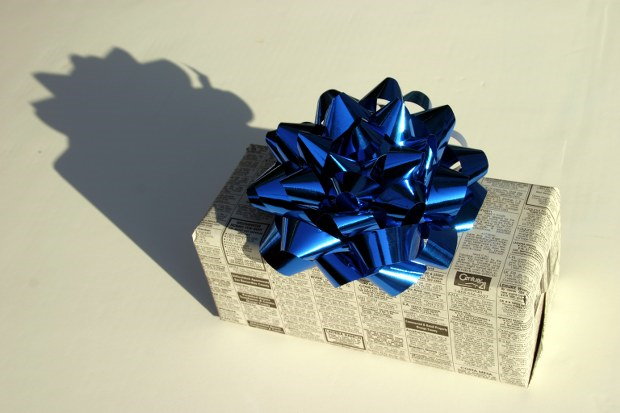
A rectangular gift box wrapped in newspaper with visible text and black-and-white print, positioned on a plain white surface. The box is topped with a large, shiny metallic blue bow made of reflective material, with multiple loops creating a voluminous appearance. Shadows cast by the bow and the box are visible on the surface, indicating a focused light source from the top left. The plain background and clean setting suggest an indoor environment, possibly related to a creative reuse or decorative presentation, aligned with independent waste handling or rubbish removal services offered by House Clearance. The image emphasizes the contrast between the matte newspaper wrapping and the glossy bow, highlighting the attention to detail in the presentation, which could relate to different materials managed through private waste disposal solutions or alternative rubbish collection methods.

Wine Corks or Bottle Caps
•    Naturally, you can also make quite a lot of things with corks and caps. One of them is an actual corkboard for messages. Cut corks vertically in half, nail, slap, or glue them to a wide board and you have your artsy-looking corkboard to pin notes on.
•    Corks can also make for amazing coasters – as long as your guests remember to use them. Cut them in half, stick them together, make any shape you want and bring some new life to your coffee table or desk. Same goes for the bottle caps.
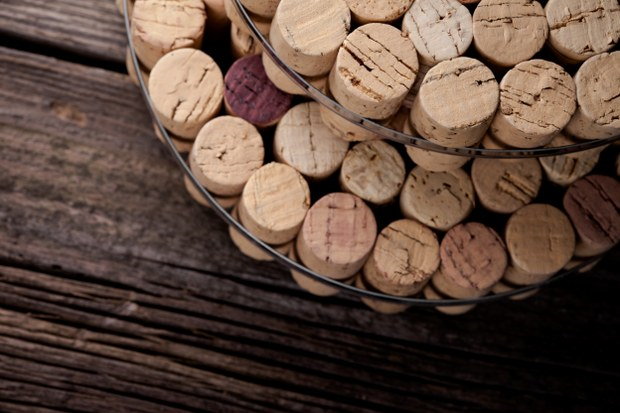
A clear glass bowl filled with numerous natural cork stoppers, closely arranged and overlapping each other, placed on a weathered wooden surface that displays prominent grain and textured lines. The corks vary slightly in size, with some showing visible cracks and uneven surfaces, and are predominantly light beige in colour with a matte finish. A few corks have a darker reddish-brown hue, indicating different types or ages. The environment appears to be a rustic or workshop setting, possibly related to craft projects or storage of discarded corks awaiting collection or recycling. The image emphasizes the natural textures of the corks and the aged appearance of the wooden surface, subtly aligning with the theme of alternative waste handling or sustainable reuse, as one might consider in services provided by House Clearance for debris or miscellaneous items. The lighting is even, with soft shadows enhancing the depth and texture of the objects, creating a calm and neutral visual suitable for an informational or service-related context about rubbish removal or waste management.

Tyres
•    How are your carving skills? If you are handy with a scalpel or small knives, then take an old tyre and carve away to make a beautiful decoration. You will be surprised at how much you can achieve with an old tyre and a knife. Google Images can show you.
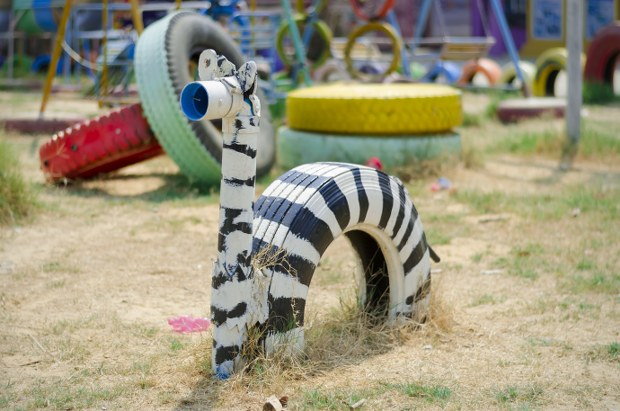
In an outdoor play area, a structure made from repurposed tires is visible, with the main feature being a black and white striped tire shaped into an arc, serving as a tunnel or climbing element for children. Behind it, another tire painted in solid yellow is positioned upright, possibly as part of a larger play configuration, while additional tires in various bright colors, including red and green, are stacked or laid on the ground. The tires appear weathered and worn, with some grass and dirt growing around the bases, indicating outdoor placement on a grassy or sandy surface. In the background, more tires and colorful playground equipment are scattered, with some partially obscured by the tires in the foreground, suggesting an area dedicated to recycled or upcycled playground features made from discarded rubber tires. The overall scene emphasizes creative reuse of waste materials, aligning with concepts of sustainable, alternative waste handling and rubbish recycling practices, as part of an environmentally conscious approach to outdoor play spaces.

These are just some of the unlimited examples of turning old rubbish into pieces of art. All it takes to make any one of these things is imagination, creativity, and some manner of handiness. If you want to save money on rubbish removal, save yourself the need of doing too much rubbish clearance and instead use all those old items. Recycle them into something beautiful that will adorn any part of your home.

Latest Posts

Organize and Energize: Summer is Ideal for Clearing Office Clutter

Avoid Throwaway BBQs

Easy Ways to Minimize Waste

Strategies to Cut Paper Waste in Schools

Eco-Friendly Waste Practices for Hospitality

A neatly stacked pile of various discarded materials including large pieces of wood, some painted in weathered shades of blue and brown, with rough textures and broken edges visible. The wood pieces are arranged on an outdoor pavement surface, likely part of a driveway or yard, with a background featuring a parked vehicle and a garden or natural setting. The pile includes some smaller fragments and debris, suggesting recent collection or clearing activity. A pair of work gloves is draped over one section of the wood, indicating handling or sorting. The overall scene appears to be part of an independent waste removal process, possibly conducted on-site by a waste management service such as House Clearance, highlighting the collection of non-urban or private rubbish for disposal or reuse, aligning with alternative waste handling methods outside municipal collection systems.
Nicholas Krygier

Nicholas' early fascination with organization has led to a successful career as a rubbish removal specialist. He finds fulfillment in turning disorderly spaces into orderly ones, assisting clients in overcoming the challenges associated with clutter.