Direct answer
To limit dust and allergens during an intensive cleanout, work with windows open, damp-wipe rather than dry-sweep, bag items slowly and gently, wear gloves, eye protection and a properly fitted filtering face mask (FFP2 or FFP3 where dust or mould is heavy), and clean from top to bottom with a vacuum fitted with a HEPA filter. Avoid disturbing anything you suspect contains asbestos, heavy mould, droppings or sewage, and stop and get professional help if you do find them. People with asthma, allergies or lung conditions, pregnant people and children should keep away from the work area. This is general information, not medical advice.
Contents
- Why a cleanout creates so much dust
- Where the dust and allergens come from
- Asbestos and other materials you must not disturb
- Who should not do the work
- Masks, gloves and eye protection
- Preparing the space before you start
- Handling items and cleaning methods that keep dust down
- Soft furnishings, mattresses and clothing
- Cleaning order: top to bottom, far to near
- Ventilation, air and aftercare
- Disposing of dusty and contaminated waste
- When to stop and call a professional
- A dust and allergen checklist
- Frequently asked questions
Why a cleanout creates so much dust
Dust that has settled for years is easily disturbed.
A house that has been lived in for decades, or left untouched for a long time, builds up layers of dust in places that normal cleaning never reaches. Behind wardrobes, under beds, on top of cupboards, in lofts and in cardboard boxes, fine particles settle and stay until something moves them. An intensive cleanout moves everything. Opening boxes, shifting furniture, lifting carpets and tipping drawers sends a cloud of fine material into the air, where it can be breathed in or settle on every surface again.
The result can be coughing, sore eyes, a runny nose, itchy skin and, for some people, wheezing or breathlessness. For most healthy adults these effects are short-lived and disappear once the exposure ends. For people with asthma, allergic rhinitis, eczema or a lung condition, a dusty clearance can trigger a serious reaction, which is why planning matters.
Dust is also not the only issue. Mould spores, dust mite droppings, pet dander, pollen, old paint dust, plaster dust, insulation fibres and rodent or bird droppings may be mixed into it. The aim of this guide is to explain the main sources, how to lower your exposure and when a cleanout should be handled by specialists instead.
Where the dust and allergens come from
Know what you are dealing with.
Different parts of a property hold different problems. The most common are:
- House dust mites. These microscopic creatures live in mattresses, upholstered furniture, carpets and soft toys, and feed on skin flakes. Their droppings are a major trigger for allergies and asthma.
- Mould and damp. Visible black or green growth on walls, in wardrobes or on stored clothing, and musty smells, point to damp. Disturbing mouldy items releases spores into the air.
- Pet dander and hair. Even after pets are gone, dander can remain in carpets and upholstery for a long time.
- Old insulation, plaster and paint. Lofts and older rooms may contain dust from insulation, crumbling plaster, or lead-based paint in older properties.
- Rodent, bird and insect droppings. These can carry germs and should not be swept or vacuumed dry.
- Stored materials. Old books, papers, clothes, curtains and paper boxes hold dust and fibres and often shed them when handled.
The guides on loft clearance and damp and flooded cellars cover two of the dustiest and most unpleasant situations in more detail.
Asbestos and other materials you must not disturb
Ordinary dust precautions are not enough.
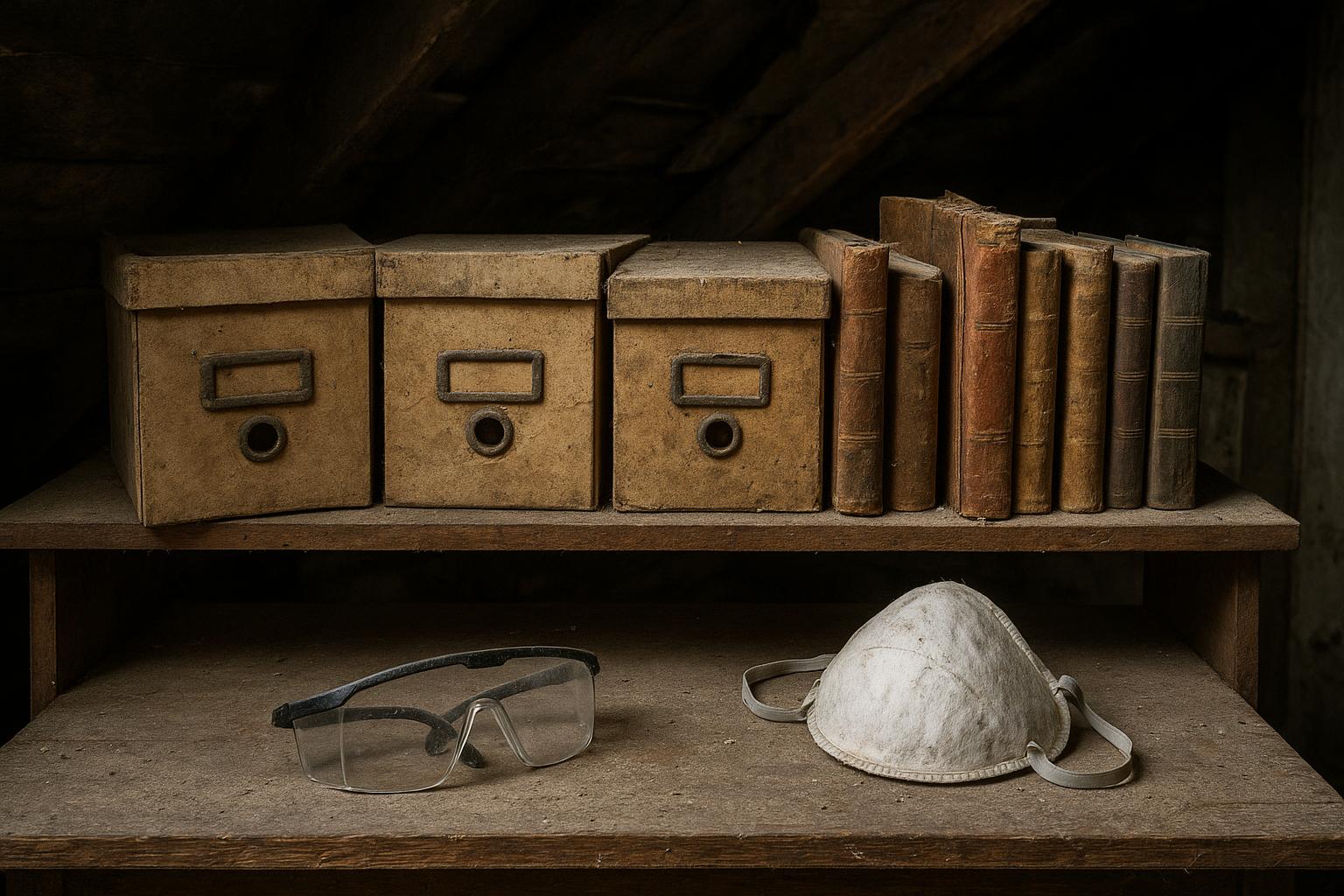
Some materials are not ordinary dust and should never be handled like it. Asbestos was widely used in UK buildings until it was banned, and it can be found in textured ceilings, old floor tiles, pipe lagging, insulation boards, garage and shed roofs and some older appliances. If asbestos is disturbed, the fibres can be released and breathed in, with serious long-term consequences. A dust mask bought from a shop is not a suitable protection against it.
If you suspect a material contains asbestos, stop work in that area, keep others out, do not sweep or vacuum, and seek advice from the Health and Safety Executive guidance on GOV.UK and a qualified surveyor or laboratory. The guide on asbestos roofs and outbuildings explains what to look for in sheds and garages.
Heavy contamination from sewage, large amounts of animal droppings, rotting waste or biological material is another case for specialists. See the guide to biohazard clearance. If in doubt, assume the risk is real and ask a suitably qualified professional to assess it before continuing.
Who should not do the work
Some people are at higher risk.
People with asthma, chronic obstructive pulmonary disease, other lung conditions, allergies, eczema, a weakened immune system or a history of reacting to dust, mould or animal fur should avoid being in the work area, or should take extra precautions on advice from their GP or pharmacist. Pregnant people and young children should also be kept away, as should pets.
If you have asthma and cannot avoid helping, keep your reliever inhaler close at hand, take regular breaks in fresh air, and stop if you feel wheezy or short of breath. Seek urgent medical help if symptoms are severe, if you have difficulty breathing or if your reliever does not help. Do not rely on a dust mask alone if you have a condition that makes you vulnerable.
It is entirely reasonable to arrange for someone else to do the dustiest tasks. A carrier or clearance crew can handle the heavy work while you decide what to keep, and you can request quotes through houseclearance.co, which connects you with independent carriers. Ask each carrier how they handle dusty or mouldy properties, and what protective equipment they use.
Masks, gloves and eye protection
The right kit makes a real difference.
A basic cloth or surgical mask is not designed to filter fine dust. For a dusty cleanout, a disposable filtering face piece respirator rated FFP2 or FFP3 is a better choice, and it needs to be fitted properly to work. It should seal against the face, which means that beards and stubble can reduce its effectiveness. Replace it when it becomes clogged, damaged or hard to breathe through, and follow the manufacturer's instructions.
Wear safety glasses or goggles that close around the eyes, because dust and spores irritate them. Choose disposable or washable gloves, such as nitrile or heavy-duty work gloves for sharp objects, and wear long sleeves, trousers and sturdy shoes. A hat or hood stops dust settling in your hair. Disposable overalls are useful in very dusty places, and clothes worn for the job should be washed separately on a hot cycle.
Wash your hands and face after each session, and before eating or drinking. Do not eat in the work area. The guide to PPE for heavy-duty house clearances covers the wider range of protective equipment and health guidance. If you are unsure which respirator is appropriate for your situation, speak to a supplier of safety equipment or consult HSE guidance.
Preparing the space before you start
Reduce the amount of dust that ends up in the air.
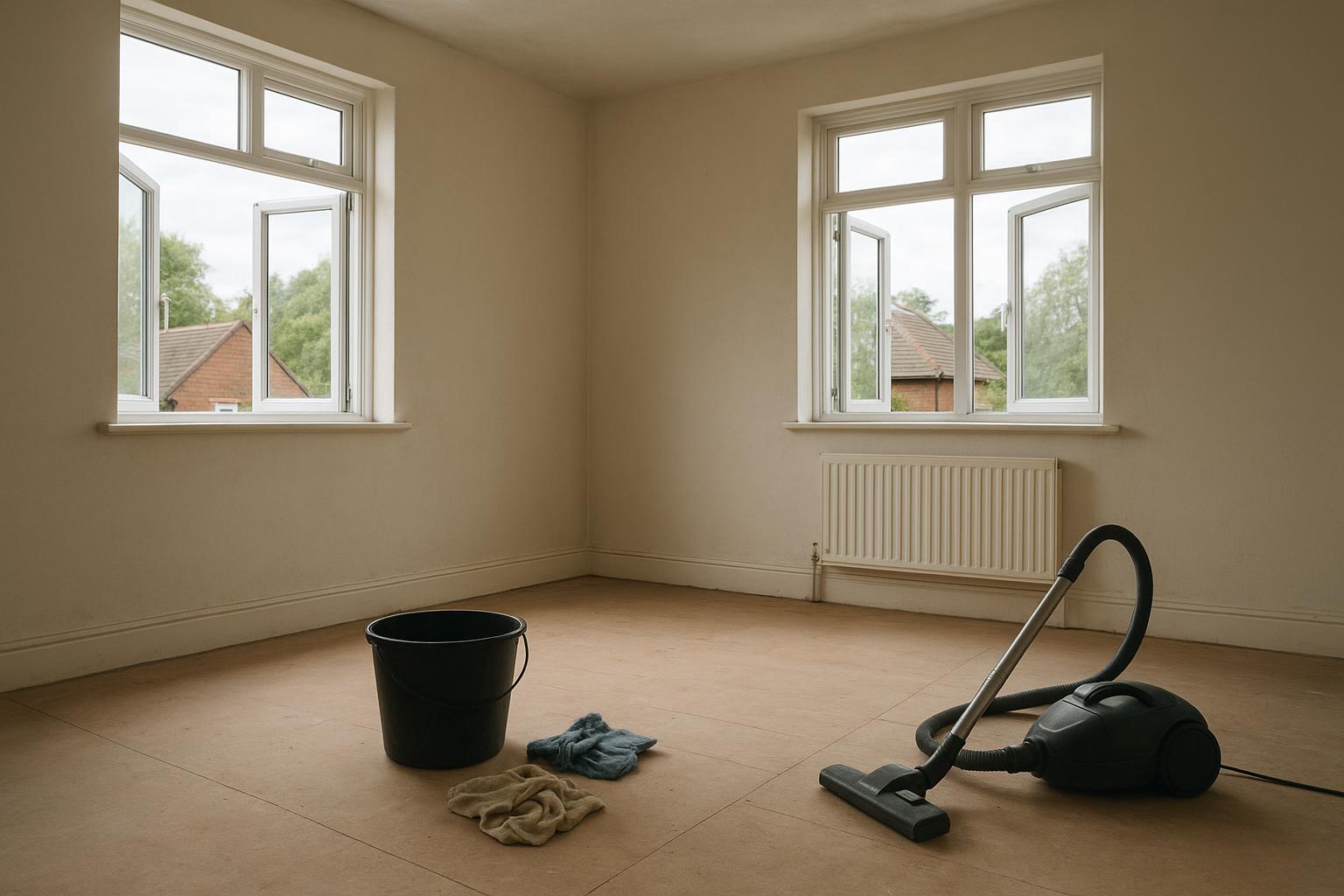
Open windows and external doors to create airflow, but avoid creating strong draughts that blow dust around. If a room has an extractor fan, turn it on. Close doors to rooms you are not working in, and if the house is occupied, keep vulnerable people elsewhere.
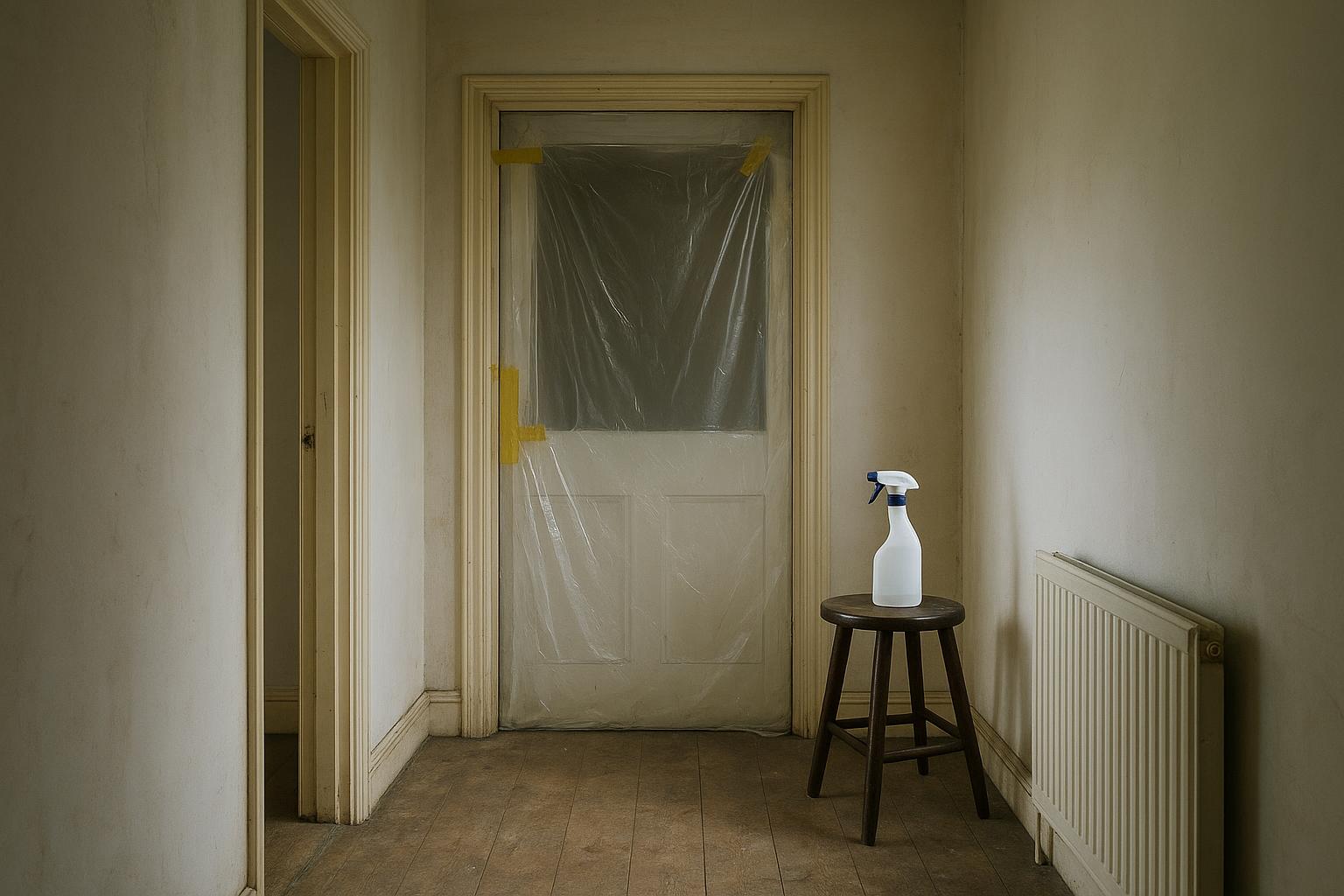
Cover furniture and floors you wish to protect with dust sheets, and seal off doorways with plastic sheeting held with low-tack tape if you need to keep dust away from a clean area. Remove soft furnishings you want to keep, such as curtains and cushions, to be cleaned outdoors or by a specialist. Turn off forced-air heating or fans that could spread dust, and cover vents if possible.
Prepare a clear route and a place for bagged items. Having bags and containers ready reduces handling. Keep a bucket of water and cloths on hand for damp-wiping. If you can, start in the room that is farthest from your exit and work towards it, so you are not carrying dust through rooms you have already cleaned. The room-by-room clearance plan offers a way to choose the order of rooms.
Handling items and cleaning methods that keep dust down
Gentle and damp beats fast and dry.
The main principle is not to create clouds. Lift items instead of dragging or shaking them. Do not shake blankets, curtains or rugs indoors. Put them in a bag first, or take them outdoors. Empty drawers and boxes slowly into bags, holding the bag close to the container, and avoid dumping from height.
Damp down dust before moving it. A spray bottle of water on a cloth, or a damp microfibre cloth, will pick up settled dust without lifting it. Avoid dry sweeping with a brush, and avoid ordinary vacuum cleaners that blow fine dust out through the exhaust. A vacuum with a HEPA filter, used slowly, is much better. Never vacuum suspected asbestos, mouse droppings or heavy mould.
For mould, do not scrub or brush dry. Ventilate, damp-wipe with water and a mild detergent, and bag soft items that are affected. If mould covers a large area, or if the cause of damp is not clear, it is a building problem as well as a cleaning one, and a surveyor or specialist should advise. The NHS and local council websites give advice on health effects and damp.
Wet waste, rotting food and soiled items should be double-bagged and removed promptly. Wash your hands after handling them, and use separate cloths for different areas to avoid transferring dirt.
Soft furnishings, mattresses and clothing
These hold the most allergens.
Mattresses, sofas, cushions, curtains and heavy clothing absorb dust mite droppings, skin flakes and spores over many years. Handling them roughly releases a surprising amount into the air. If you are removing them, carry them out gently without shaking, and wrap large items in plastic sheeting or a strong bag first so that they shed less on the way out.
Clothes and linen that you want to keep can usually be washed hot enough to remove most allergens, following the care label, but stored items that are damp or mouldy are often better discarded. Pack anything you are saving into clean, sealed containers once it is washed and fully dry, because storing clean items in the same dusty boxes only brings the problem back. For disposal options for old bedding and mattresses, see the guide on recycling an old mattress.
Cleaning order: top to bottom, far to near
Gravity decides where the dust goes.
Clean from the highest surfaces to the lowest, since dust falls. Start with ceilings, light fittings, tops of cupboards and shelves, then walls and windowsills, then furniture, then floors. Doing the floors last means you do not have to clean them twice.
Work from the far end of the property towards the exit. Damp-wipe surfaces, change cloths often and rinse them in a separate bucket from the one you use for clean water. After wiping, vacuum floors with a HEPA vacuum, then mop with a damp mop. Repeat in the worst areas if needed.
Soft items such as sofas, curtains and mattresses hold a lot of allergens. Many are best removed from the property instead of cleaned. If you want to keep upholstery, vacuum it with a HEPA filter and consider professional cleaning. The guide on professional deep cleaning and disinfection after a clearance explains what a professional service may do and how to judge when it is worth booking.
Ventilation, air and aftercare
Dust stays in the air for a while after you stop.
After you finish for the day, leave windows open for a while if it is safe and secure to do so, and close the room doors. Fine dust can remain suspended for some time. Keep the air moving, but do not leave a property open and unattended if it is empty and could be entered by others.
Change out of your work clothes, put them in a bag and wash them on a hot setting. Shower, wash your hair and clean under your nails. Wipe down your phone, keys and any tools that have been used. Take a break before returning, and note any symptoms that develop, such as a persistent cough, wheeze or skin rash, and speak to your GP or pharmacist if they continue.
Air purifiers with HEPA filters can help reduce airborne particles in a room after the work, but they are not a replacement for cleaning, and the effectiveness depends on the size of the room and the device. Once the property is clear, a final damp-clean of all surfaces, including skirting boards and windowsills, will remove most of what remains.
Disposing of dusty and contaminated waste
Contain it, label it and use the right route.
Double-bag dusty or mouldy waste and tie the bags securely. Small amounts of ordinary household dust and rubbish can go in your general waste, but large amounts of rubble, plasterboard, insulation, asbestos or other construction material may not be accepted by your council and have their own rules. Check with your council or household waste and recycling centre before you go.
If a carrier is taking the waste, tell them in advance if it is particularly dusty, wet or mouldy, so that they can bring the right equipment and bags. Not telling a carrier about contamination may result in extra charges or a refused job. Keep documentation of what was taken and where, as explained in the guide to the householder duty of care.
Hazardous items, including asbestos-containing materials, should only be handled and disposed of according to the regulations. Do not break them up, and do not put them in ordinary bags or skips.
When to stop and call a professional
Your health matters more than saving money.
Stop and seek expert help if you find or suspect asbestos, large areas of mould, sewage or biological contamination, large amounts of droppings, needles or sharps, or if anyone working feels unwell. Stop if the property is structurally unsafe or if the amount of material is beyond what can be handled safely by the people available.
For hoarded or heavily contaminated properties, a specialist service with appropriate training and equipment is the safer choice. The guide to hoarding disorder and house clearance explains the process in more detail. Carriers differ in what they accept, so ask each one clearly what they are willing to do.
Keep an eye on your own symptoms. Mild, short-lived irritation is common, but a persistent cough, breathlessness, chest tightness, fever or a rash needs medical attention. If you think you were exposed to something serious, tell your GP. This guide is general information and not medical or legal advice.
A dust and allergen checklist
Use before and during the work.
Run through this list before starting and when you take breaks:
- Have vulnerable people and pets been kept away from the work area?
- Have you checked for signs of asbestos, heavy mould, droppings or sewage, and stopped if you found any?
- Are windows open and doors to other rooms closed?
- Are you wearing a well-fitted FFP2 or FFP3 respirator, goggles, gloves, long sleeves and sturdy shoes?
- Are you damp-wiping and bagging items gently instead of shaking or dry sweeping?
- Is your vacuum fitted with a HEPA filter, and used only on suitable dust?
- Are you cleaning from top to bottom and far to near?
- Have you changed clothes, washed and cleaned your equipment at the end of the day?
A little care at the start means fewer symptoms, less mess to clean up and a safer cleanout overall.
Frequently asked questions
Common questions about dust and allergens in a property cleanout.
What mask should I wear for a dusty house clearance?
A disposable filtering respirator rated FFP2 or FFP3, fitted snugly to your face, is generally more suitable than a cloth or basic surgical mask. Facial hair can reduce the seal. Check the manufacturer's guidance and HSE advice, and replace the mask when it becomes clogged.
Can I vacuum up dust during a clearance?
Yes, but use a vacuum fitted with a HEPA filter, because ordinary vacuums can blow fine dust back into the air. Never vacuum suspected asbestos, mouse droppings or heavy mould.
Is it safe to sweep dusty floors?
Dry sweeping lifts fine dust into the air. Damp-wiping or using a HEPA vacuum is better. Damp the dust first where possible.
How do I protect myself from mould spores?
Ventilate the area, wear a suitable respirator, eye protection and gloves, avoid dry brushing, bag mouldy items and damp-wipe surfaces. If mould covers a large area or the cause of damp is unclear, seek advice from a surveyor or specialist.
Should someone with asthma help with a cleanout?
Dusty environments can trigger asthma attacks, so people with asthma or other lung conditions should avoid the work area where possible or speak to their GP or pharmacist first. Keep a reliever inhaler nearby, and seek urgent medical help if you have breathing difficulty.
What if I think there is asbestos in the property?
Stop work in that area, keep others away, do not sweep or vacuum, and seek advice from HSE guidance and a qualified surveyor or laboratory before continuing. Do not break up or remove suspect material.
How should I wash clothes worn during a dusty cleanout?
Put them straight into a bag, shake nothing out indoors, and wash them on a hot setting separately from other laundry. Shower and wash your hair after the work.
Do air purifiers help after a cleanout?
A HEPA air purifier can reduce airborne particles in a room, but it is not a substitute for damp cleaning and vacuuming, and effectiveness depends on room size and the device.
Will carriers from houseclearance.co handle dusty or mouldy properties?
houseclearance.co is a quote-matching service that connects you with independent carriers. What each carrier will accept and what equipment they use varies, so describe the condition of the property honestly when requesting quotes and ask what they can do.