
Direct answer
A commercial kitchen clearance usually involves four waste streams: used cooking oil and grease, scrap stainless steel and other metal, appliances (some containing refrigerant or electronics) and general or food waste. Gas and electrical equipment should be disconnected by a competent, qualified person before removal. Used cooking oil and grease trap waste must go to an authorised carrier and be recorded, and grease must never be poured down drains. Businesses have a duty of care for their waste, so keep waste transfer notes and check that every carrier is registered. Rules vary by council and water company, so check GOV.UK and local guidance.
Contents
- What a kitchen clearance involves
- Pests, hygiene and cleaning
- A first-visit checklist
- Planning and sequencing
- Lease and hand-back conditions
- Food waste and perishables
- Donating surplus food
- Used cooking oil
- Ending oil and waste contracts
- Storing oil on the day
- Grease traps and drains
- Final clean-out and drain checks
- Extraction systems and fire risk
- Tenant fixtures versus landlord fixtures
- Stainless steel and scrap metal
- Preparing metal for collection
- Appliances and refrigeration
- Reselling kitchen equipment
- Gas and electrical disconnection
- On-the-day safety
- Choosing a carrier
- What affects the quote
- Common mistakes
- Paperwork after the job
- Frequently asked questions
What a kitchen clearance involves
More than removing equipment.
A commercial kitchen is one of the more complicated spaces to clear. It combines heavy fixed equipment, grease-laden surfaces, gas and electrical supplies, extraction systems, refrigeration and perishable stock. Any one of these can slow a job down if it is not planned for.
Typical reasons for clearance include a restaurant closing, a lease ending, a takeover, a refit or the closure of a catering unit. Each has different rules about what must be removed and what the incoming occupier may want to keep.
A good plan breaks the job into steps: food and consumables, oil and grease, disconnecting equipment, removing and sorting equipment, then cleaning and handing back the premises.
Pests, hygiene and cleaning
Do not skip this.
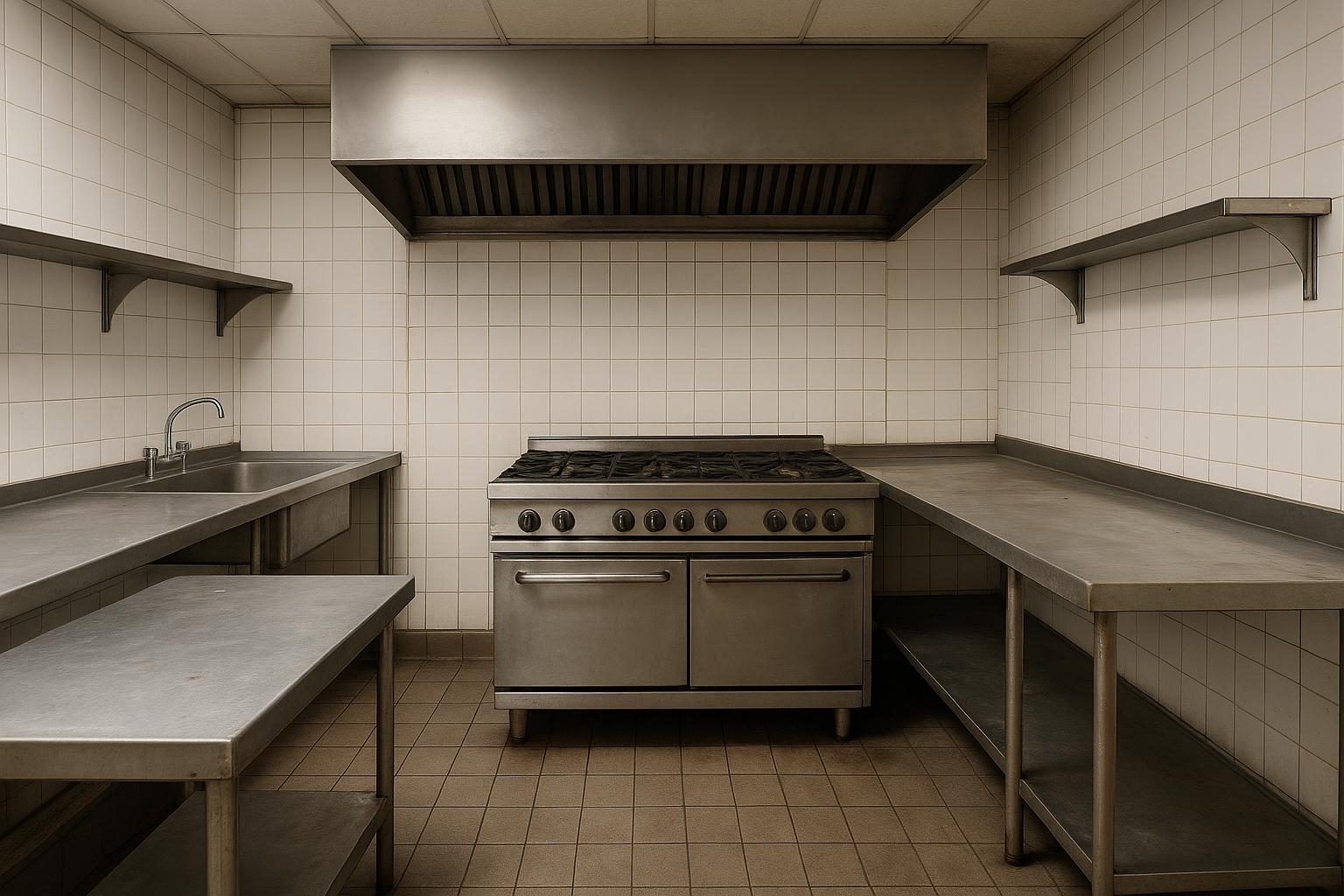
Commercial kitchens attract pests when food waste and grease are left in place. Once the stock is removed, the kitchen should be cleaned quickly, particularly floors, drains, behind equipment and under appliances, where debris often collects.
Moving heavy equipment often reveals build-up that was hidden for years. Plan time for cleaning and, if needed, a pest control check, before handing back the premises. Our guide to professional deep cleaning after clearance explains what a good clean covers.
If you find signs of pests, tell the landlord and keep records. A prompt response helps avoid disputes about who is responsible.
A first-visit checklist
Walk the kitchen.
Before you request quotes, make a list of what is in the kitchen and what state it is in. Record the size of the space, access to the unit and loading, including stairs and lifts.
- Cooking equipment: ranges, fryers, grills, ovens, steamers.
- Refrigeration: walk-in rooms, under-counter units, display fridges.
- Stainless steel: tables, shelving, sinks, canopies.
- Small equipment: mixers, slicers, blenders, crockery, utensils.
- Waste: oil, grease trap, food waste, packaging, general rubbish.
- Fixtures: extraction, lighting, flooring, partitions.
Photographs of each area and a clear list help carriers quote accurately and avoid surprises on the day.
Planning and sequencing
Order matters.
Start by walking the kitchen with a list. Record every large item, its fuel type, whether it is fixed or freestanding and whether it is owned, leased or financed. Leased equipment needs to go back to the lessor, not into a skip.
Then work out the order. Perishable stock has to go first, followed by oils, then appliances and finally fixtures. Disconnection of gas and electrics must happen before the heavy equipment is moved.
Agree access, parking, loading windows and noise limits with the landlord or building manager. A kitchen in a basement or on an upper floor of a shared building often has strict rules about when equipment can be moved.
Lease and hand-back conditions
Read the small print.
Commercial leases often include conditions about how premises must be returned, called reinstatement or yield-up conditions. They might require removal of all tenant equipment, making good, a professional clean or removal of signage. Check yours early.
If a landlord asks you to leave fixtures in place, such as extraction and grease traps, get this in writing. Disagreements about what was agreed are common and costly.
If you are unsure what is required, a surveyor or solicitor can advise. This guide is not legal advice.
Food waste and perishables
Deal with it early.
Stock and food waste should be dealt with before anything else, because it smells, attracts pests and can slow the whole project. Food that is still in date and safe may be donated to a food redistribution scheme if the rules allow it. Check with the organisation first.
Food waste from businesses in England is subject to rules about separate collection that are being phased in, so check the current requirements on GOV.UK and with your waste contractor. Do not put food waste in general waste if a food waste service is required.
Animal by-product rules can also apply to catering waste. In particular, catering waste containing meat is generally restricted in how it can be used, so do not assume it can go anywhere.
Donating surplus food
Check the rules.
Sealed, in-date food can often be redistributed through organisations that collect surplus from businesses. They have strict rules about what they accept, including date and storage conditions. Contact them ahead of time.
Do not give away food that has been stored badly, has been opened, or has passed its use-by date. Responsibility for food safety stays with the business.
Leave enough time to arrange pick-ups before the clearance starts, because the food has to be gone before the kitchen can be cleaned.
Used cooking oil
A controlled waste.
Used cooking oil from a business is waste and must be collected by a registered waste carrier and recorded with a transfer note. It should never be poured down drains, sinks or outdoor gullies. Disposal in drains can cause blockages and pollution, and can lead to enforcement.
Many specialist collectors take used cooking oil and send it for recycling, for example to make biodiesel. If you already have a collection contract, check the terms and ask for a final collection before you leave the premises.
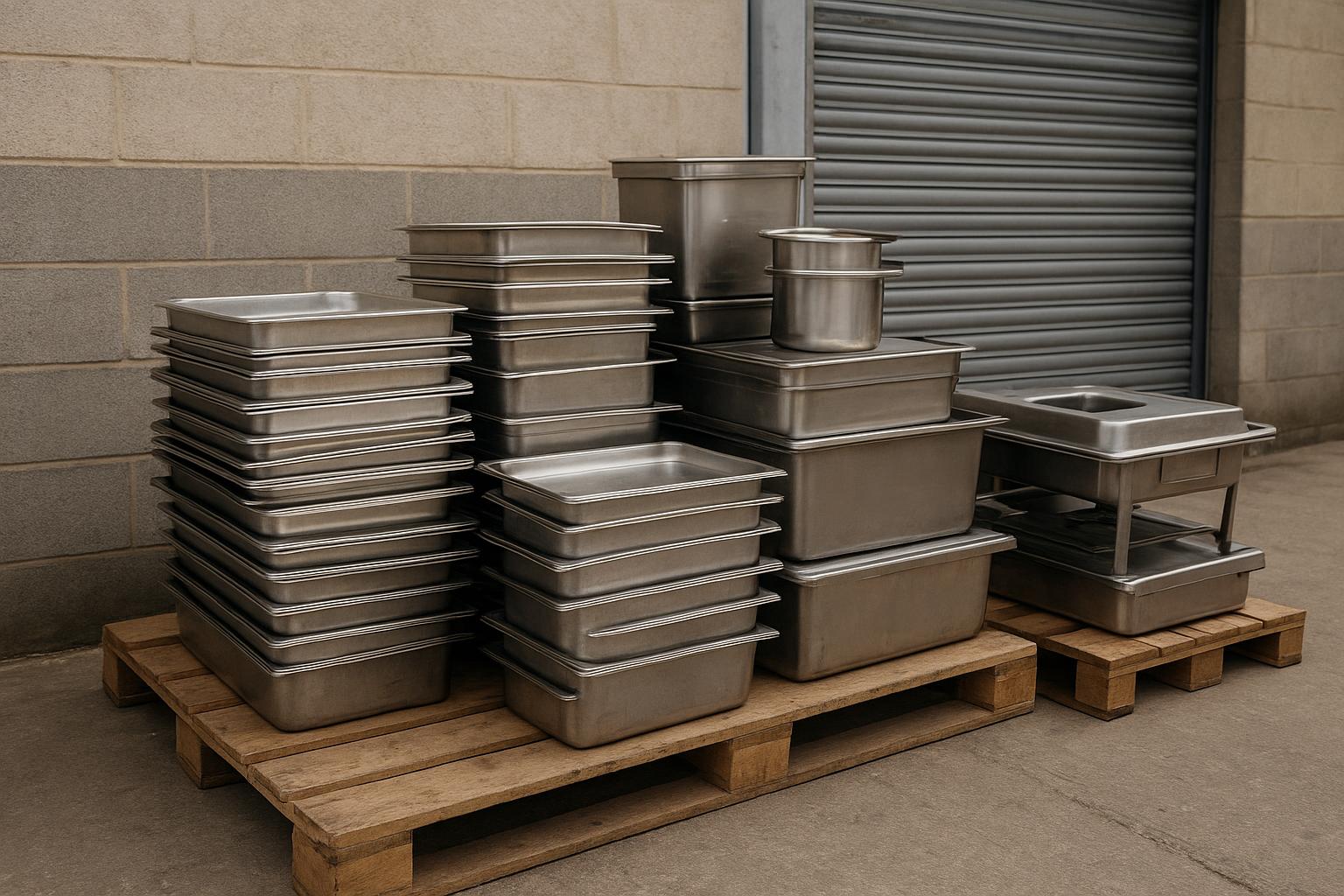
Store oil in sealed, labelled containers away from drains. Keep a record of the date, quantity and collector. Do not decant it into unlabelled containers or give it to someone who cannot show registration.
Ending oil and waste contracts
Do not forget the admin.
Many restaurants have standing contracts for oil collection, commercial waste, food waste and grease trap servicing. Closing the kitchen without cancelling them can mean continued charges, and some contracts have notice periods or minimum terms.
Read each contract, give notice in writing and ask for a final collection and a closing statement. Return any bins, containers or equipment that belong to the supplier, and note the date and condition.
Keep these documents alongside your clearance records. They help answer questions about who was responsible for waste at the premises and when.
Storing oil on the day
Prevent spills.
Spilled oil is a slip hazard, a fire risk and a pollution risk. Keep containers closed, upright and away from heat. Use drip trays and spill kits where available.
If oil must be carried through public areas or loading bays, use secure containers and agree the route with the building manager. Avoid moving it during peak hours.
Clean up any spill immediately and do not wash residue into drains. Ask your oil collector for advice if there is a larger leak.
Grease traps and drains
Specialist work.
Many commercial kitchens have a grease trap or grease separator to stop fat, oil and grease from entering the sewer. The contents of a trap are a waste that normally needs to be removed by an authorised waste carrier and taken to a suitable facility.
If the trap has been neglected, it may be heavily contaminated and smell strongly. Emptying and cleaning is not a job for a general house clearance crew. Ask a specialist contractor to empty it and give you documentation.
Check your lease and the requirements of your water company. Some require traps to be maintained to a standard, and a final clean-out is often expected at the end of a tenancy.
Final clean-out and drain checks
Leave drains clear.
Before handing back the unit, check floor drains, sinks and gullies for grease build-up. A drain jet clean may be needed. Ask your landlord whether they expect a CCTV survey or a report.
Flush and clean according to the method required by your drainage contractor. Do not use harsh chemicals on your own without advice, as they can be dangerous and may not work.
Keep copies of invoices and reports from specialists. They show that the drainage was left in a proper state.
Extraction systems and fire risk
Grease builds up.
Kitchen extraction ducts, canopies and filters accumulate grease over time and are a recognised fire risk. If you are leaving the premises, check whether the lease requires a documented duct clean, and whether the landlord or insurer expects evidence.
Canopies, filters and ducts are often fixtures that belong to the landlord, not to the tenant. Do not remove them unless you have agreed it in writing. If you do remove them, the work should be done safely with proper disconnection of electrics.
Specialist extraction cleaners work to industry standards, and a certificate can be useful at hand-back. Your carrier is unlikely to do this work, so arrange it separately.
Tenant fixtures versus landlord fixtures
Know who owns what.
Fixtures are items attached to the building. Some belong to the landlord and some to the tenant, depending on the lease and any agreements. Extraction canopies, flooring, sinks and even cold rooms can fall into either category.
Take photos before you remove anything, and agree in writing what stays. If in doubt, leave it in place until you have confirmation.
Removing a fixture that you were supposed to leave could lead to a claim for replacement or repair.
Stainless steel and scrap metal
Valuable and heavy.
Commercial kitchens contain a lot of stainless steel in the form of tables, shelving, sinks, hoods and trays. Metal is often valuable as scrap, and a dealer may collect it free or pay for it, depending on the quantity and mix. Scrap metal dealers must be registered in the UK.
Scrap metal dealers are not allowed to pay cash for scrap in many circumstances, so expect a bank transfer and a receipt. Our guide to scrap metal collection in London explains what to look for.
Be careful not to treat leased equipment as scrap. Check ownership before you let anyone take it, and clean food residue from items you want to sell.
Preparing metal for collection
Clean and sort.
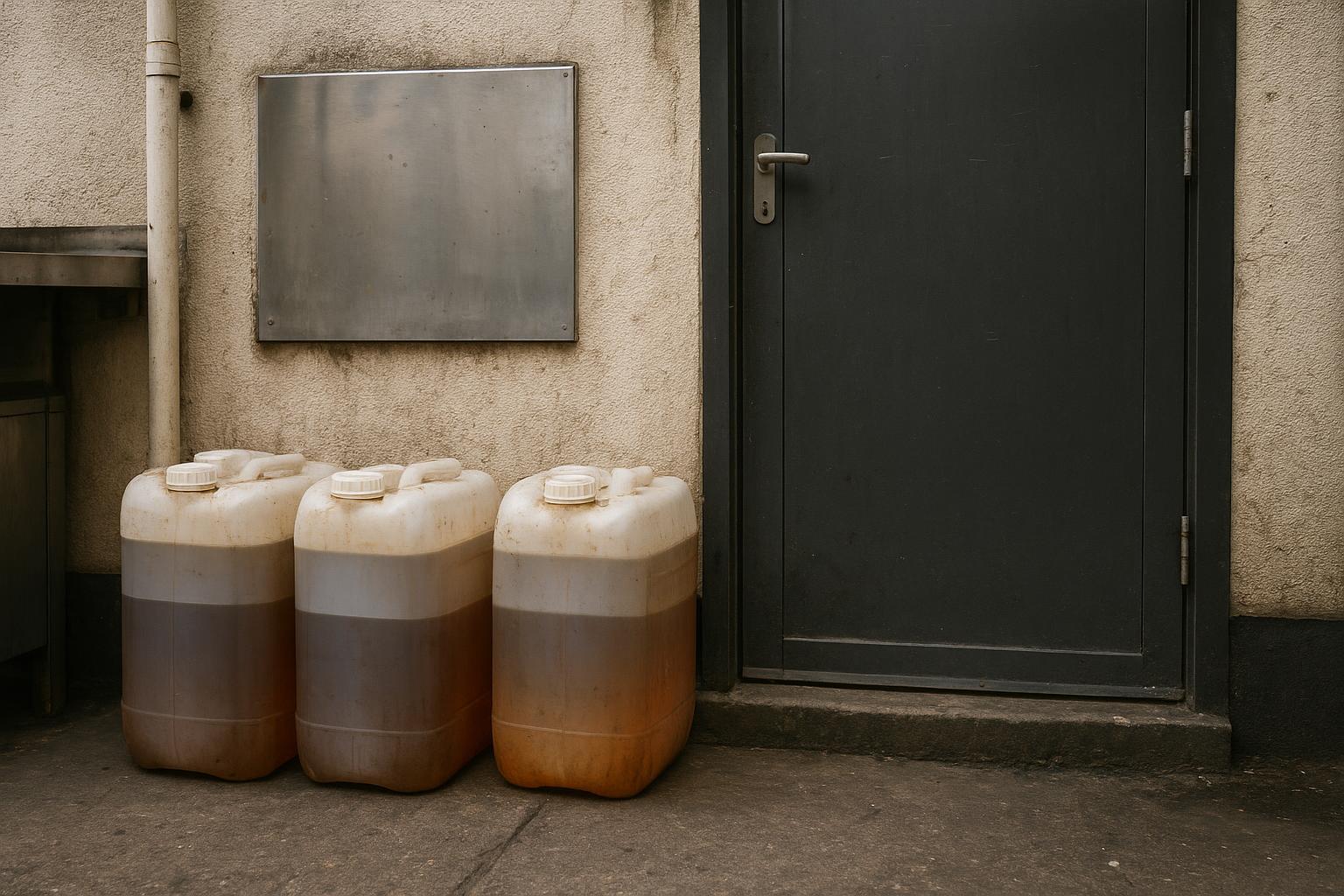
Remove food residue, grease and non-metal parts such as wooden handles or glass doors where practical. Dirty equipment is harder to sell and may be refused by recyclers.
Sort by type if you can, for example stainless steel, aluminium and mixed. Dealers often pay more for clean, separated metal.
Keep a note of who collected what and when. A receipt is useful for your records and a requirement for many dealers.
Appliances and refrigeration
Not all can go in a skip.
Commercial ovens, fryers, dishwashers and mixers are mostly metal, but contain electrical components and sometimes oil or insulation. Electrical items fall under the WEEE rules, and a carrier should be able to say how they are handled. See our guide on WEEE regulations.
Fridges, freezers, blast chillers and cold rooms contain refrigerant gas and need specialist handling, which is explained in our guide to decommissioning commercial refrigeration.
Equipment that works can often be resold to other caterers through dealers or auctions. Test and photograph it before listing it.
Reselling kitchen equipment
Test and list.
Catering equipment dealers and auctions buy used ovens, fryers, mixers, extraction and prep tables. They often prefer items that work and are clean. Check models and ages, and confirm gas types for gas equipment.
If items are under finance or lease, you cannot sell them without the owner's permission. Check your agreements.
If an item does not sell, make a plan for disposal that follows the appropriate rules for electrical or refrigerant-containing waste.
Gas and electrical disconnection
Use a qualified person.
Gas appliances should be disconnected and capped by a Gas Safe registered engineer. This is a legal requirement for gas work in Great Britain, and it protects you and the next occupier. Do not allow a clearance crew to disconnect gas supplies unless they are qualified.
Fixed electrical equipment should be isolated by a competent electrician. Loose plug-in equipment is simpler, but hard-wired items, extraction fans and commercial dishwashers usually need an electrician to disconnect them.
Keep certificates or notes of the work. They can be needed for the landlord, your insurer or the incoming occupier, and they show that you handled the hand-back responsibly.
On-the-day safety
Keep the site safe.
Heavy equipment, wet floors and sharp edges are common. Crews should wear appropriate protective equipment and plan lifts carefully. Our guide on PPE for heavy clearances covers the basics.
Large items may need two or more people or lifting equipment. Do not rush heavy lifts from basements or narrow stairs. See also our guide to heavy lifting logistics.
Keep access routes clear and ensure that fire exits are not blocked by equipment waiting for collection.
Choosing a carrier
Ask specific questions.
Ask any carrier whether they are registered as a waste carrier, whether they have done commercial kitchen jobs, whether they will take the grease and oil or only dry waste, and what paperwork you will receive.
Ask whether the quote includes dismantling, lifting from a basement and handling heavy equipment. Check whether insurance covers damage to the building. Our guide on public liability insurance explains the basics.
houseclearance.co is a marketplace where customers receive quotes from independent carriers, so confirm scope, paperwork and any specialist services with the carrier you select. Our guide to reading a waste collection quote helps you compare.
What affects the quote
Typical factors.
Quotes for commercial kitchens depend on the volume and weight of equipment, the access (stairs, lifts, loading distance), the amount of dismantling needed, the type of waste and the time window. Hazardous or specialist elements, such as refrigerant or grease trap waste, may be priced separately or excluded.
Time pressure also affects price. A short deadline can limit availability and increase cost. Where possible, request quotes early and ask for a written breakdown of what is and is not included.
Treat very low quotes with care. If a quote does not mention waste paperwork or the handling of oil and appliances, ask why. See our guide on hidden fees for common surprises.
Common mistakes
Avoid these.
- Pouring oil or grease down drains to save time.
- Letting an unqualified person disconnect gas or hard-wired electrics.
- Scrapping leased or financed equipment.
- Removing landlord fixtures without written agreement.
- Leaving grease trap and extraction work to the last day.
- Taking no photos or records of the finished kitchen.
- Accepting a quote that gives no waste paperwork.
Most of these come from rushing at the end of a tenancy. A plan made a few weeks earlier prevents nearly all of them.
Paperwork after the job
Close the file.
Keep the waste transfer note, copies of any specialist certificates and photos of the cleared kitchen. Add a note of the date of hand-back and who attended.
If you used several contractors, keep each one's documents together. Our guide on waste transfer notes explains what they should contain.
Records matter if anyone later queries how waste was handled, or if the landlord disputes the condition of the premises.
Frequently asked questions
Common questions about commercial kitchen clearances.
Can I pour used cooking oil down the drain?
No. Used cooking oil is waste and should be stored in sealed containers and collected by a registered waste carrier. Pouring it down drains can cause blockages and pollution.
Who can disconnect gas appliances in a commercial kitchen?
A Gas Safe registered engineer should disconnect and cap gas supplies. A general clearance crew should not do this unless they are qualified.
Do I have to empty the grease trap before leaving?
Often yes, because leases and water company requirements commonly expect it. It should be emptied by an authorised specialist who provides paperwork. Check your lease.
Is kitchen equipment scrap metal?
Some is, but check ownership first. Leased or financed equipment must go back to the owner, and working equipment may be worth more as resale.
What paperwork do I need?
Keep waste transfer notes for general and commercial waste, records for used cooking oil and grease trap waste, and any gas or electrical certificates. Check GOV.UK for the current duty of care rules.
Can food waste go in general rubbish?
Businesses in England are subject to food waste separation rules that are being phased in, so check current requirements with GOV.UK and your waste contractor.
Does a house clearance company handle commercial kitchens?
Some carriers do, others do not. Ask about experience, equipment and paperwork before booking.
Does houseclearance.co carry out the clearance?
No. It is a quote-matching marketplace and independent carriers do the work, so confirm the services you need with the carrier.
