Direct answer
Commercial refrigeration equipment contains refrigerant gas, and in Great Britain it is generally unlawful to deliberately release fluorinated gases or ozone-depleting substances into the air. Before a unit is scrapped, the refrigerant should be recovered by a suitably certified person, and then reused, reclaimed or destroyed, with records kept. Insulation foam in older units can also contain gases that need proper treatment, and fridges count as electrical waste under the WEEE rules. A general clearance crew should not cut pipes or open the system. Ask for proof of certification and a waste transfer note, and check the current rules on GOV.UK because regulations change.
Contents
- Why refrigeration needs special handling
- Ozone and climate effects
- The legal framework in outline
- Reuse, resale and moving equipment
- Enforcement and risk
- Who is allowed to recover refrigerant
- Small units and domestic-style fridges in business premises
- Checking certification
- Types of refrigerant you may encounter
- Safety on site
- Reading the data plate
- The decommissioning process step by step
- Before the engineer arrives
- Walk-in cold rooms and condensing units
- Landlord, fit-out and reinstatement
- Insulation foam and WEEE
- What happens at the treatment facility
- Records and waste paperwork
- Equipment logbooks and leak checks
- Choosing a carrier for refrigeration
- Scheduling and cost factors
- Common mistakes
- Pre-removal checklist
- Frequently asked questions
Why refrigeration needs special handling
Gas and foam inside.
Refrigeration works by circulating a refrigerant gas through a sealed system. That gas can be harmful if released. Many common refrigerants are fluorinated gases, which are powerful greenhouse gases, and some older refrigerants damage the ozone layer. For this reason, release to the atmosphere is controlled by law.
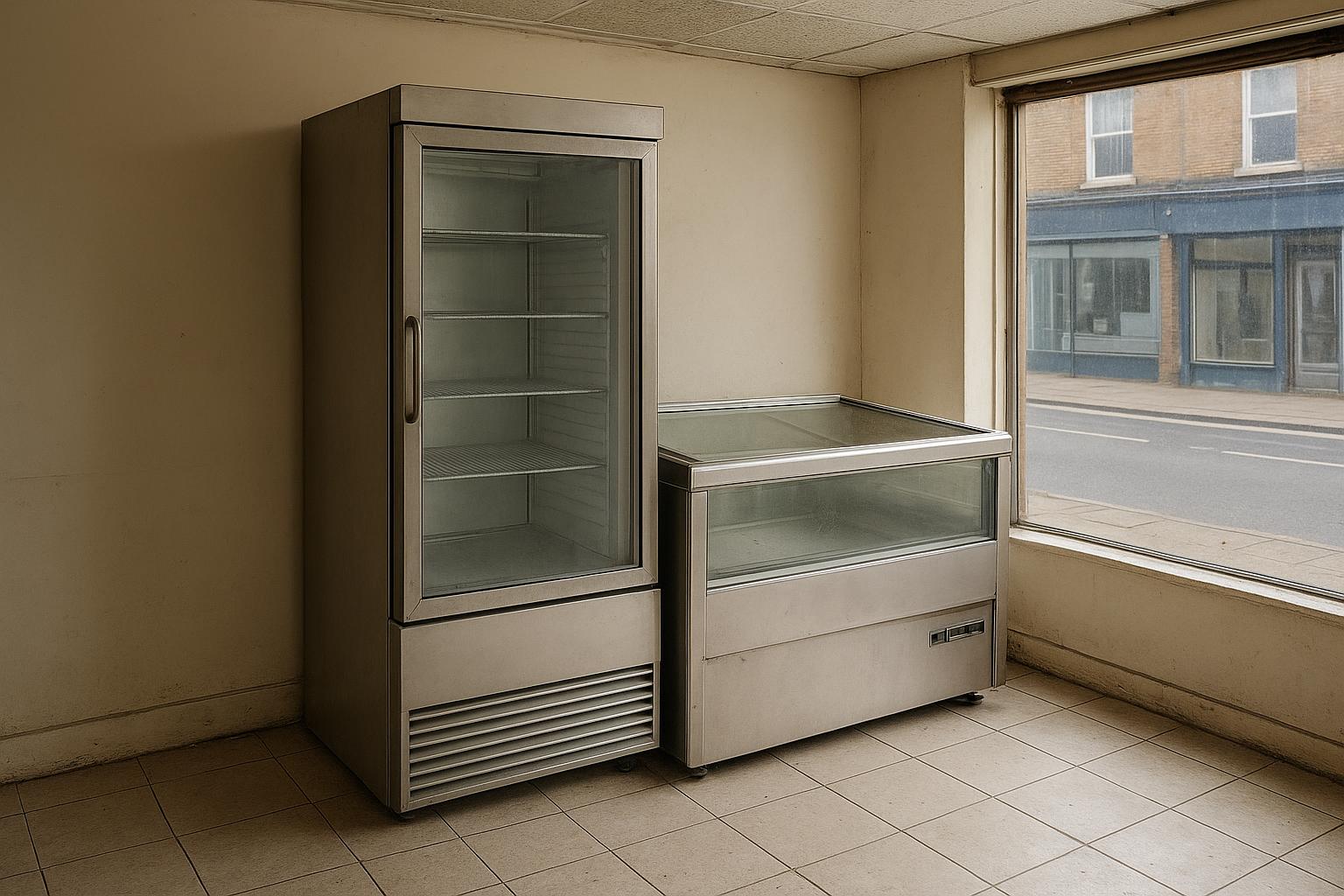
Commercial equipment holds more refrigerant than a domestic fridge. A walk-in cold room, a multi-deck display cabinet or a rooftop condensing unit may hold several kilograms of gas, and the pipework may run through walls and ceilings.
The insulating foam in the walls and doors of older units can also contain gases that were used as blowing agents. This is another reason why a fridge is not treated like ordinary scrap.
Ozone and climate effects
Why the rules exist.
Some older refrigerants, such as CFCs and HCFCs, damage the ozone layer. International agreements led to their phase-out, and the remaining equipment that uses them is a legacy issue. Releasing them is treated seriously because the damage is long-lasting.
HFC refrigerants do not harm the ozone layer but are strong greenhouse gases. One kilogram of some HFCs has a climate effect equivalent to many tonnes of carbon dioxide, which is why rules aim to reduce leaks and encourage lower-impact alternatives.
For a business, this means that a refrigeration system is not just a piece of kit but a source of regulated emissions. Proper decommissioning is part of responsible management.
The legal framework in outline
Check the current text.
In Great Britain, the main controls on fluorinated greenhouse gases are set out in retained and domestic regulations, often called the F-gas rules, and the ozone-depleting substances rules deal with older refrigerants such as CFCs and HCFCs. The Environment Agency regulates much of this in England.
In broad terms, these rules require that refrigerant is not deliberately vented, that it is recovered by suitably qualified people when equipment is serviced or decommissioned, and that recovered gas is treated properly. Records are required for some equipment and operators.
The details depend on the type and quantity of gas, the equipment and the date. This article is a general guide and not legal advice, so check GOV.UK and ask your engineer which rules apply to your units.
Reuse, resale and moving equipment
Not everything is scrap.
Working commercial refrigeration can often be sold or reused, which is better for the environment than scrapping. If equipment is sold, the buyer should be told the refrigerant type and the system should be moved by a qualified engineer, because disconnecting pipework for transport is a gas-handling job.
If a unit is being moved between sites within the same business, ask an engineer how to do it safely. Do not assume a unit is portable because it has wheels.
Dealers may collect units for refurbishment, but ask the same questions about certification, paperwork and what happens to anything that cannot be reused.
Enforcement and risk
Who checks.
The Environment Agency and other regulators can investigate release of controlled gases and failures to follow rules. Penalties can include fines and, in serious cases, prosecution. The exact consequences depend on the circumstances and the legislation.
A business that hires a contractor remains responsible for taking reasonable steps to ensure the work is done lawfully. Hiring on price alone, without checking certification, is a risk.
If you are not sure which rules apply to you, ask your refrigeration engineer or contact the regulator through GOV.UK. This is the safest way to get an accurate answer.
Who is allowed to recover refrigerant
Certified people only.
Recovering refrigerant is not a job for a general clearance crew. The rules generally require a person with appropriate certification for the type of equipment and gas to do this work. Companies may also need to be certified.
Ask any engineer or company for evidence of their F-gas certification, and check that it covers refrigeration and the equipment you have. Certificates are issued by approved bodies, and a reputable engineer will be happy to show you.
If a clearance carrier says they will "just take the fridge and sort it out later", ask exactly who will recover the gas and when. Cutting or damaging pipework on site can release gas immediately.
Small units and domestic-style fridges in business premises
Still regulated waste.
A bar fridge, a small display cooler or an ice machine still contains refrigerant and is still WEEE when discarded. Businesses often assume that small units are the same as household fridges, but commercial waste rules apply to waste from business premises.
Ask your carrier or council how small units should be handled. Some carriers recover gas through a partner, and some local authorities offer trade collections for electrical items.
Do not leave small units in alleys or outside bin stores. They are easy to dump, and you remain responsible for waste from your premises under the duty of care.
Checking certification
Do not rely on words.
Ask for the certificate number and the name of the certifying body. Check that the certificate is current and covers the type of work. A company and an individual engineer may both need to be certified.
Ask for a copy to be emailed before the visit, and compare names on the paperwork with the person who attends. Keep the copy with your records.
If the engineer or the carrier cannot provide evidence, find another provider. A low quote is not worth the risk of unlawful release or a dispute about waste.
Types of refrigerant you may encounter
Not all gases are the same.
Older equipment may contain CFC or HCFC refrigerants, which are ozone-depleting and heavily controlled. Many systems from the last few decades use HFCs, which are fluorinated greenhouse gases with a high global warming potential. Newer units may use natural refrigerants.
Natural refrigerants include hydrocarbons such as propane and isobutane, carbon dioxide and, in some industrial plants, ammonia. Each has its own hazards. Hydrocarbons are flammable, carbon dioxide systems can run at high pressure and ammonia is toxic.
The data plate on a unit usually gives the refrigerant type and charge. Photograph it and give it to the engineer and the carrier. If the plate is missing or unreadable, say so.
Safety on site
Gas hazards.
Refrigerant leaks can displace oxygen in enclosed spaces, flammable refrigerants can ignite and cold rooms can trap people. Never enter a cold room that has lost power without checking the door release, and never use naked flames or cutting tools near pipework.
Keep the area ventilated and clear of ignition sources while work is going on. If you smell gas or see frost on pipes where it should not be, stop work and call the engineer.
Contractors should have a method statement for the job. Ask to see it if the work is complex or in a shared building.
Reading the data plate
Where to look.
Most commercial units have a rating plate on the side, inside a door frame or on the compressor. It shows the manufacturer, model, serial number, refrigerant type and the weight of the charge. Photograph it clearly.
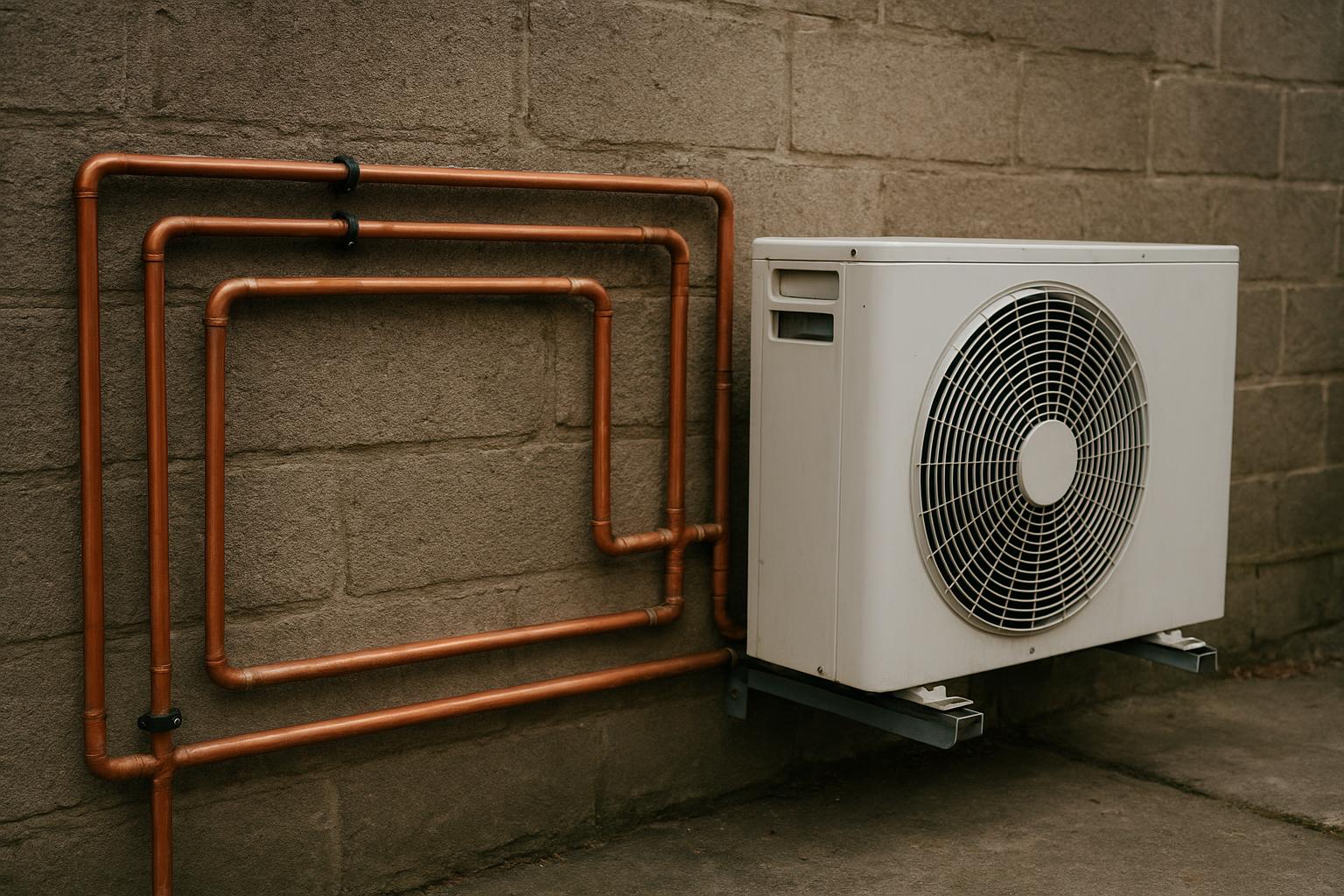
Systems with a remote condensing unit may have separate plates on indoor and outdoor parts. Photograph both, and note which cabinet or room they serve.
A clear record helps the engineer to bring the right equipment and helps you prove which units were dealt with and when.
The decommissioning process step by step
A sensible order.
A typical sequence is to identify all units and their locations, check ownership and any lease or finance conditions, empty and clean the units, isolate the electrical supply, arrange for a certified engineer to recover the refrigerant and then disconnect and remove the equipment.
Once the refrigerant is out, the engineer should give you a record of what was recovered. Only then should the unit be handed to a carrier for transport to a treatment facility.
Plan the work so that the engineer and carrier do not clash. If the engineer has to return after the carrier has started removal, delays and extra cost are likely.
Before the engineer arrives
Preparation saves time.
Empty and defrost units, remove all stock and clean out debris. Provide access to the plant, including roofs and enclosures. Make sure electrical isolation is available.
Tell the engineer about access constraints, such as narrow corridors, upstairs plant rooms or restricted hours. Agree what will happen to pipework and fittings after gas recovery.
Confirm who owns the equipment. If it is leased or financed, the owner may have to approve decommissioning and arrange collection.
Walk-in cold rooms and condensing units
Larger and more complex.
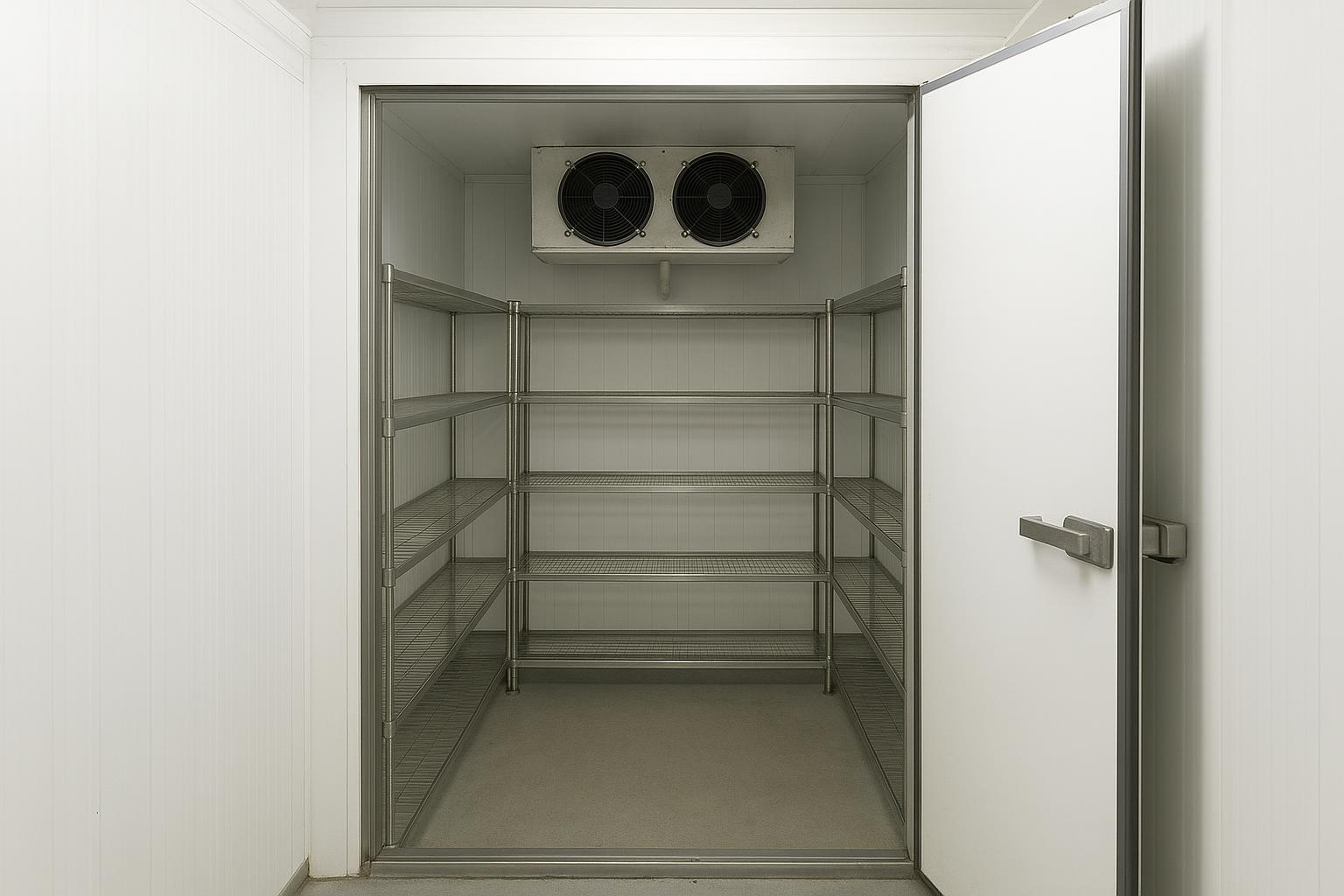
Cold rooms are made of insulated panels and have refrigeration plant that is often located outside or on a roof. The evaporator inside, the pipework and the condensing unit are all part of the same sealed system and all hold gas.
Panels may contain foam that needs careful disposal, and they can be heavy and awkward to dismantle. Some rooms are built into the structure of the premises, so check the lease and the landlord's position before removing anything.
Do not allow anyone to cut into the system until the refrigerant has been recovered. If the work involves roofs or heights, check that the contractor has appropriate safety arrangements.
Landlord, fit-out and reinstatement
Check what you are allowed to remove.
Cold rooms and fixed refrigeration may be tenant fit-out, landlord fixtures or part of an agreement with a previous tenant. Check the lease and any documents from when you took the premises.
If you are required to reinstate the unit to a shell, plan for making good walls, floors and drainage after removal. If the landlord wants the unit left, get that in writing and consider whether you still need a gas check.
Keep photographs of the premises before and after the work to avoid later disputes.
Insulation foam and WEEE
Another layer of rules.
Fridges and freezers are electrical equipment, and when a business discards them they are generally treated as waste electrical and electronic equipment, or WEEE. They should go to an authorised treatment facility that can deal with gas and foam. See our guide on WEEE regulations.
At a suitable facility, the refrigerant and oils are removed and the foam is processed so that blowing agents are captured. The metal and other materials are then separated for recycling.
This is why a fridge should never be thrown into a skip or left on the street. Doing so can lead to fly-tipping offences, and our guide on fly-tipping penalties explains the risk to the owner.
What happens at the treatment facility
From unit to materials.
At an authorised facility, units are processed to remove oils and gases and to recover metals, plastics and insulation. The aim is to capture harmful gases from both the refrigeration circuit and the foam, and to recycle as much material as possible.
Not every site is equipped for every type of unit. Ask the carrier which facility they use and whether it accepts commercial equipment.
Our guide on what happens to your items after clearance explains the wider waste journey.
Records and waste paperwork
Keep the evidence.
You should expect at least two sets of paperwork: a record from the engineer covering the refrigerant recovery, and a waste transfer note from the carrier covering the physical unit. Both should identify the equipment, date and quantity.
Some operators of larger systems have record-keeping duties under the F-gas rules, such as maintaining equipment logbooks. If your premises have fixed systems, find the logbook and hand it to the person doing the work, and keep a copy.
Our guide on waste transfer notes explains what to look for, and the duty of care covers businesses as well as households. See also the waste duty of care.
Equipment logbooks and leak checks
If your premises had a system.
Operators of larger fixed refrigeration systems may be required to carry out leak checks and keep records. These records show the type and quantity of refrigerant, any gas added or recovered, and the engineer who did the work.
When you decommission a system, the last entries in the logbook should show the recovery of refrigerant and the end of the equipment's life. Keep the logbook as part of your records.
If the logbook is missing, tell the engineer. They can advise on what to record and how to reconstruct the history as far as possible.
Choosing a carrier for refrigeration
Questions to ask.
Ask the carrier whether they are a registered waste carrier, whether they are used to commercial refrigeration, who will recover the gas, which treatment facility will receive the units and what paperwork you will receive. Check registration on the public register.
Make sure access, lifting and parking are covered in the quote. Commercial units are heavy, and cold rooms may need a team. Check that the carrier has insurance for the work. Our guide on public liability insurance explains the basics.
houseclearance.co is a marketplace where customers receive quotes from independent carriers, so confirm each carrier's experience and paperwork directly rather than assuming the same service from all.
Scheduling and cost factors
Plan the order of work.
Quotes depend on the number and size of units, access, the need for dismantling, the type and quantity of refrigerant and the distance to the treatment facility. Cold rooms generally take longer and cost more than a single cabinet.
If the engineer and carrier are separate businesses, ask both for dates and confirm who is responsible if one cannot attend. Delays can add cost, particularly if a lease deadline is close.
Read our guide on reading a waste collection quote and compare what is included, not just the headline figure.
Common mistakes
Avoid these.
The most common mistakes are letting an uncertified person cut pipework, assuming a unit is empty because it has stopped working, disposing of equipment as scrap metal without removing gas, and failing to get paperwork.
Another is forgetting about the unit that no one remembers: a small display fridge in a back room, a freezer in a basement or a cold room attached to a former tenant's fit-out.
Do a full walk-round with a checklist, and ask the engineer to confirm that all systems on the site have been dealt with.
Pre-removal checklist
Run through it.
- List every unit, including small and forgotten ones.
- Photograph data plates and serial numbers.
- Confirm ownership, lease and finance status.
- Empty, defrost and clean each unit.
- Book a certified engineer and get proof of certification.
- Agree the order of work with the carrier.
- Collect the engineer's record and the waste transfer note.
- File the paperwork with the lease hand-back documents.
A short checklist like this, ticked off as you go, is usually enough to avoid the common mistakes.
Frequently asked questions
Common questions about decommissioning commercial refrigeration.
Is it illegal to release refrigerant gas?
In Great Britain deliberate release of fluorinated gases and ozone-depleting substances is generally prohibited. Recovery by a suitably certified person is required in most decommissioning situations. Check the current rules on GOV.UK.
Who can remove refrigerant from a commercial fridge?
A person with appropriate F-gas certification for the equipment and gas type. Ask for evidence of certification before work starts.
Can a clearance company take away my commercial freezer?
Possibly, but the refrigerant must be handled properly. Ask who recovers the gas and what paperwork you will receive.
Can I put an old fridge in a skip?
No. Fridges are electrical waste containing gas and foam and should go to an authorised treatment facility.
What records should I keep?
A record from the engineer showing the refrigerant recovered, a waste transfer note from the carrier and any equipment logbook. Keep them for the period required by the rules.
Are natural refrigerants safe to vent?
Not necessarily. Hydrocarbons are flammable, CO2 systems can be high pressure and ammonia is toxic. Do not release any refrigerant yourself.
Do older units have different rules?
Older units may contain ozone-depleting refrigerants that are strictly controlled. Ask the engineer to identify the gas from the data plate.
Does houseclearance.co remove refrigeration units?
It does not carry out work itself. It is a quote-matching marketplace where independent carriers provide quotes, so check their experience and who will recover the gas.