
Direct answer
Charity shops refuse items for safety, legal, hygiene and practical reasons. Common exclusions include upholstered furniture without a fire safety label, untested electricals, used underwear and swimwear, open cosmetics, baby car seats, cots and mattresses, broken or incomplete goods, damp or smelly items, and very bulky pieces. Each shop sets its own rules, and they vary by branch and season. Ask before you travel, keep items clean and complete, and have a plan for refused items, such as selling, textile recycling, retailer take-back or a licensed clearance firm. Do not leave refused goods outside a closed shop, because that is fly-tipping.
Contents
- Why shops have to say no
- How a charity shop actually makes money
- Furniture and upholstery
- The fire safety label in plain terms
- Electrical items
- PAT testing and what it means
- Clothing, bedding and personal items
- What counts as good enough
- Children's equipment and toys
- Toys, games and baby clothes
- Household goods, cosmetics and food
- Books, media and games
- Bulky, damaged or low-value items
- Other organisations for what shops refuse
- What not to do when refused
- Reading a shop's donation policy
- How to donate well
- Five quick habits that avoid refusals
- Frequently asked questions
Why shops have to say no
Four main reasons.
Charity shops are run to raise money, and every item they accept costs them time, space and money to process. Most refusals fall into one of four groups: safety, law, hygiene and practicality.
Safety rules cover items that could injure a buyer, such as unsafe upholstered furniture, faulty electricals and children's equipment that no longer meets standards. Legal rules cover items that cannot be sold second-hand at all, or that need specific checks. Hygiene covers items that cannot be cleaned or that most buyers would not want. Practicality covers broken, incomplete, bulky or low-value items that would cost more to store and dispose of than they could ever earn.
Disposal costs matter more than donors realise. If a shop accepts an item that it cannot sell, it must pay to dispose of it. That reduces the money that goes to the cause, which is why shops are strict.
How a charity shop actually makes money
Understanding the numbers helps.
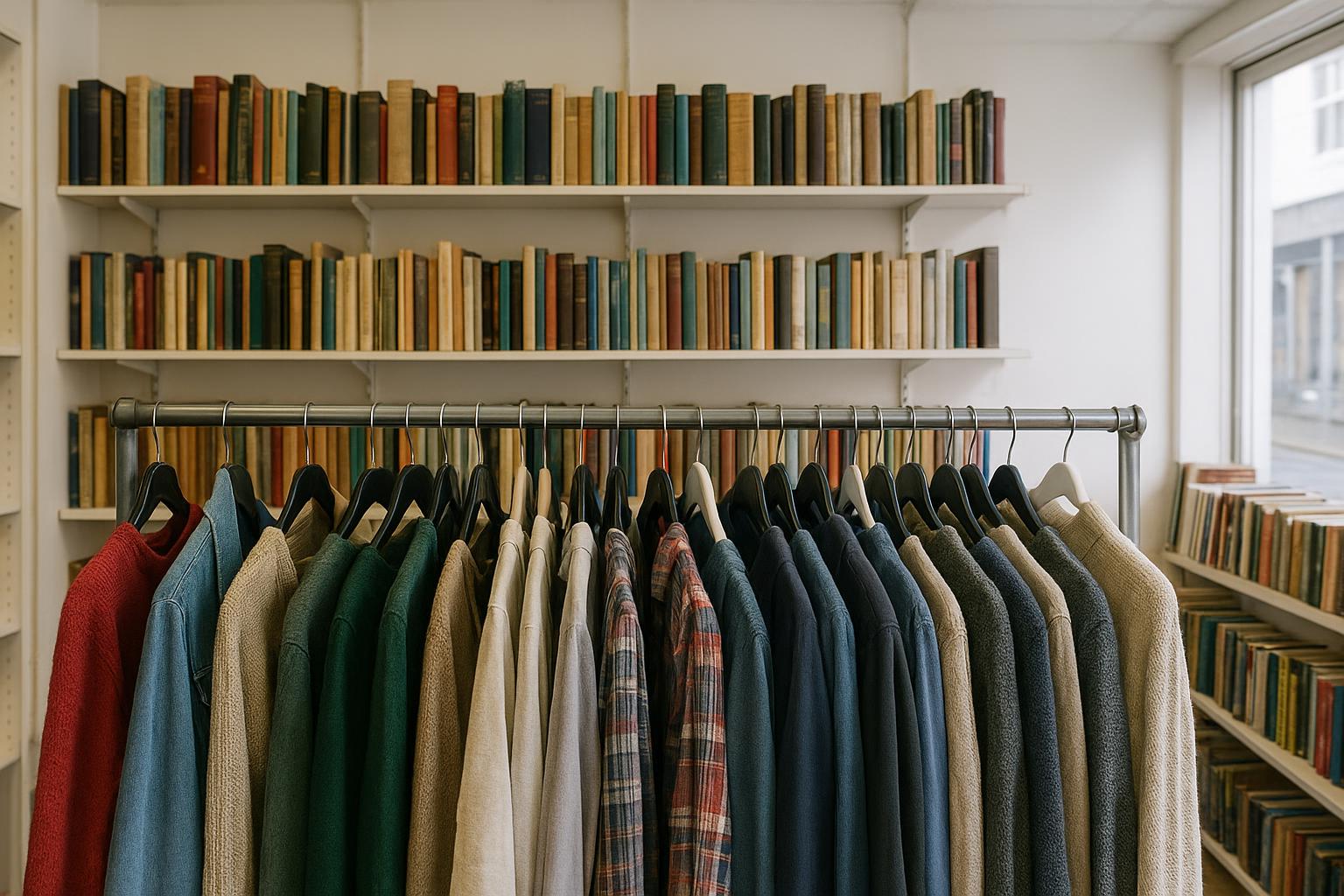
A charity shop has to pay rent, rates, utilities, insurance and often staff, while relying on donated stock and volunteer labour. Its income comes from sales, from Gift Aid on eligible items and from recycling income such as textile sales. Every item on the shop floor needs space, a price and time to sort.
Because of this, shops focus on items that sell quickly and for a reasonable price. A clean, fashionable jacket may earn several pounds in a day, while an old stereo may occupy a shelf for months and then end up in the bin. The shop manager makes decisions item by item, and the result may feel arbitrary to a donor, but the logic is financial.
Understanding this makes refusals easier to accept. The shop is not rejecting you, it is protecting its limited resources for the cause it exists to support.
Furniture and upholstery
The most common refusal.
Upholstered furniture such as sofas, armchairs, footstools and padded dining chairs is often refused because of fire safety rules. Second-hand upholstered furniture sold in the UK is expected to have a permanent fire safety label showing that it meets the relevant standard. Without the label, a shop may refuse it, because it cannot show that the item is safe.
Age, condition and construction also matter. Foam-filled items that are stained, worn or damaged are hard to sell. Older items may contain materials that need special disposal, as explained in our guide to POPs in old sofas.
Non-upholstered furniture, such as solid wood tables, chairs, wardrobes and bookcases, is easier to accept, but shops may refuse it if it is damaged, too large for the van or hard to sell. Our guide to furniture donation in London has more information.
The fire safety label in plain terms
What shops look for.
Upholstered furniture made for the UK market is required to meet fire safety standards and carry a permanent label. The label is usually stitched to the item, often under a cushion or along a seam. It states that the item has passed the relevant tests and may give the manufacturer and details of the filling.
Without this label, a charity cannot easily prove that the item is compliant, and many will refuse it on principle. Some furniture made before the rules came into force may not have a label, and some labels fade or are cut off. Take a clear photograph of the label before donating and tell the shop what it says.
Our next guide in this series looks at fire safety labels in more detail, including why charities cannot accept sofas without them and what to do if the label is missing.
Electrical items
Testing and safety.
Many charity shops accept only electrical items that have been tested by a qualified person, and some do not take electricals at all. Untested items could cause a shock or fire, and the shop is responsible for what it sells. Items with damaged plugs, frayed cables or missing parts are usually refused.
Some shops have an in-house testing programme and can accept working small appliances. Others partner with a reuse project that tests larger items such as fridges, washing machines and TVs. Cathode ray tube televisions, old microwaves and items with very low resale value are often declined.
If a shop will not take your electricals, the right route is usually WEEE recycling. Our guide to WEEE and electrical recycling explains the options, including retailer take-back and council recycling centres.
PAT testing and what it means
Portable appliance testing.
Portable appliance testing, often called PAT testing, is a routine check by a competent person of the safety of electrical appliances, including the plug, cable, earthing and insulation. Many charities and reuse projects require appliances to be tested before sale or require a visual check by a trained volunteer.
A PAT test does not guarantee that an appliance is perfect, but it shows that a basic safety inspection took place and was recorded. Some shops have trained staff or partners who do the testing, while others do not have the capacity.
If you want to donate electricals, ask whether the shop tests them and whether there is a limit on size or age. If testing is not available, a repair cafe or a local electrician may be able to check your item for a modest fee, which may help if the item is valuable.
Clothing, bedding and personal items
Hygiene and demand.
Charity shops commonly refuse used underwear, swimwear, socks and tights for hygiene reasons. Heavily worn, stained or torn clothing is also refused unless the shop works with a textile recycler. Pillows, duvets and sleeping bags are often declined because they cannot be washed to a shop standard.
Shoes in poor condition, odd shoes and items with strong smells are routinely refused. Costume jewellery and bags are accepted if clean and in good condition, but shops may limit the number of items per visit.
Our guide to recycling old clothes and linens shows what to do with worn textiles that a shop will not take.
What counts as good enough
The quality bar.
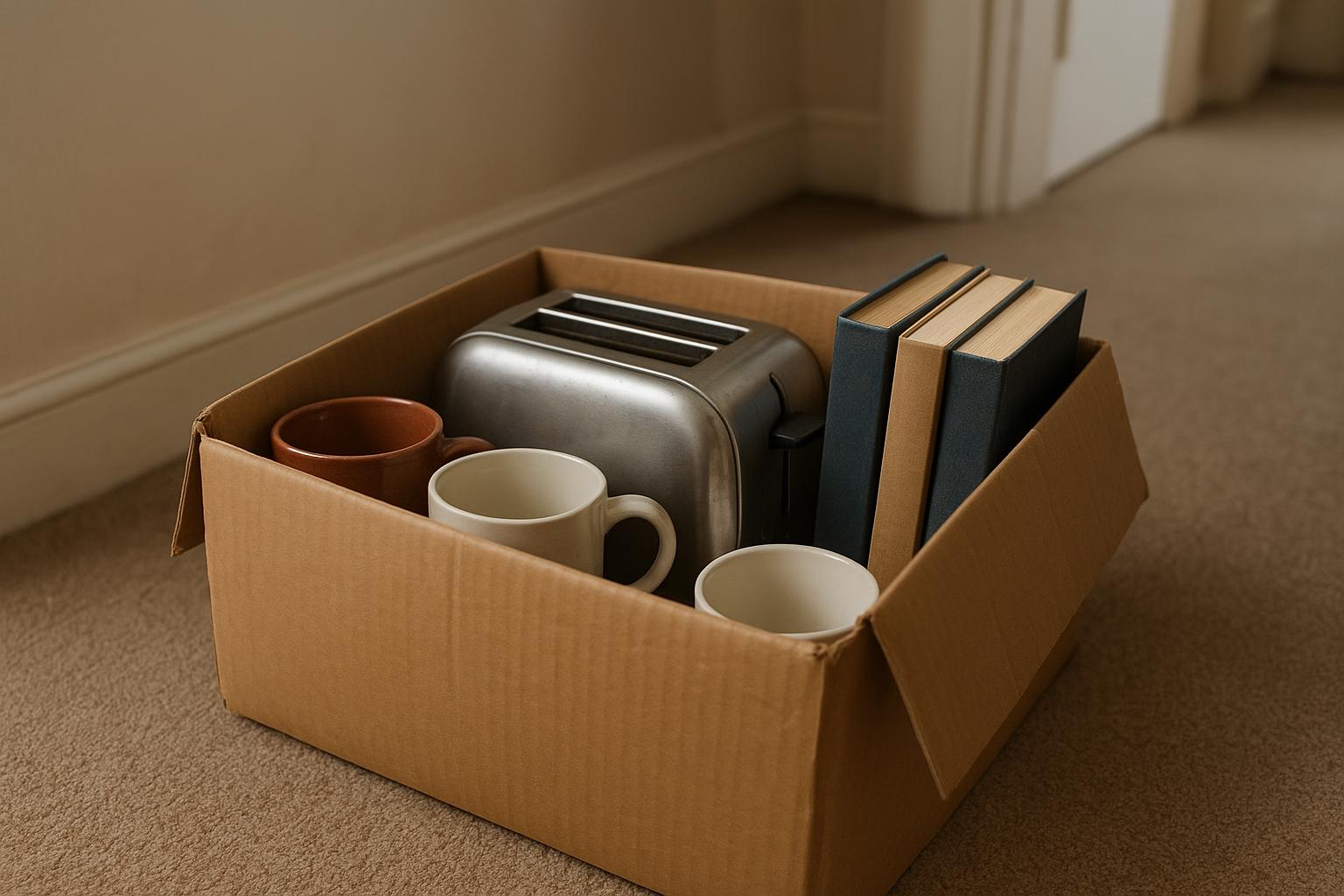
Shops usually apply a simple test: would a customer buy this? Clothes that are clean, fresh, unstained, with intact seams, working zips and all buttons are good enough. Items that are faded, bobbly, misshapen or heavily worn rarely sell, even if they are clean.
Fashion matters, but so does brand and condition. A well-known brand in good condition may sell quickly, while an unbranded item from the same era may not. Seasonal demand also plays a part, which is why winter coats are welcome in autumn and unwanted in summer.
If your clothes do not pass the test, they are not worthless. They can still go to a textile bank, where worn items are sorted for recycling. Keep them clean and dry, and use a separate bag from the wearable items.
Children's equipment and toys
Strict standards apply.
Items for babies and young children have particular safety requirements. Many shops refuse car seats, because the history of the seat cannot be verified and a seat that has been in an accident may be unsafe. Cots, cot mattresses, high chairs and pushchairs are often declined for similar reasons. Soft toys must carry safety markings, and toys with small parts, damaged parts or missing labels may be refused.
Some shops accept toys only if they are clean, complete and in working order. Puzzles and games with missing pieces are often turned away. Check each shop's guidance, and consider local baby banks or community groups that can accept specific items with their own checks.
Toys, games and baby clothes
What usually works.
Baby clothes and children's clothes in good condition are among the easiest items to rehome, because children grow out of them quickly. Clean, complete toys with clear safety markings such as the UKCA or CE mark are also welcome in many shops. Check that batteries are removed and that there are no loose or broken parts.
Board games and jigsaws should have all their pieces, and a short note on the box such as complete or checked can help a shop to accept them. Plush toys must be clean and free of damage. Toys that make noise or light up should be tested and have working batteries or have them removed, depending on the shop's policy.
If your local shop does not take baby items, ask at nurseries, children's centres and baby banks. Many are happy to take clothes, toys and equipment that meet their safety rules, and they know who needs them.
Household goods, cosmetics and food
What the shelves cannot take.
Open cosmetics, used toiletries, half-used cleaning products and food are rarely accepted. Chemicals and aerosols are refused for safety reasons, as explained in our guide to leftover household chemicals and paints. Knives, sharp tools and items that could be dangerous are sometimes declined or restricted.
Crockery, glassware and kitchenware are generally accepted if clean and undamaged, but chipped or cracked items are refused. Incomplete sets, such as a dinner service with missing plates, may be refused if the shop has no demand for odd pieces.
Books are popular, but old textbooks, encyclopedias and out-of-date reference works are often declined. Our next article in this series looks at where to donate books, textbooks and encyclopedias.
Books, media and games
Popular, but selective.
Books are a staple of charity shops, but they accept only certain types. Modern paperbacks and hardbacks in good condition sell well. Old textbooks, out-of-date guides, damaged books and large sets of encyclopedias are frequently refused because few people want them.
DVDs, CDs and video games are also selective. Shops may reject scratched discs, incomplete sets and formats that are no longer popular, such as VHS tapes. Software that requires an old operating system or a missing key may be declined.
If a shop cannot take your books, consider selling them online, donating to a school or library or recycling them as paper. Our guides on book donation later in this series suggest other places that may be a better match.
Bulky, damaged or low-value items
Space and cost.
Many shops are small and cannot store large items. A bulky wardrobe or a large dining table may be refused simply because there is nowhere to put it. Shops also decline items that need repair, such as a chair with a broken leg, because the cost of fixing it would outweigh the sale price.
Items with very low resale value, such as old exercise equipment, outdated stereos and mass-produced flat-pack furniture, are commonly refused. This is not a judgment about quality. It reflects what customers will actually buy.
If your item is bulky but good, a furniture reuse charity with a warehouse and van may be a better outlet than a high-street shop. See our guide to charity furniture collections in London.
Other organisations for what shops refuse
Match the item to the right outlet.
Different organisations suit different items. A furniture reuse charity may take wardrobes and tables that a high-street shop cannot store. A baby bank may accept cots and clothes under its own safety checks. A school or nursery may welcome art supplies and books, and an animal shelter may want towels and blankets.
Repair cafes and community workshops sometimes take items for spare parts. Theatres and film hire groups may accept costumes and props. Online marketplaces and local social groups allow you to match an item to a specific person who needs it.
Try one or two of these before you give up. A few phone calls can turn a refused item into a useful gift, and the person who receives it will often be far more grateful than a shop that has no space.
What not to do when refused
Never leave goods outside.
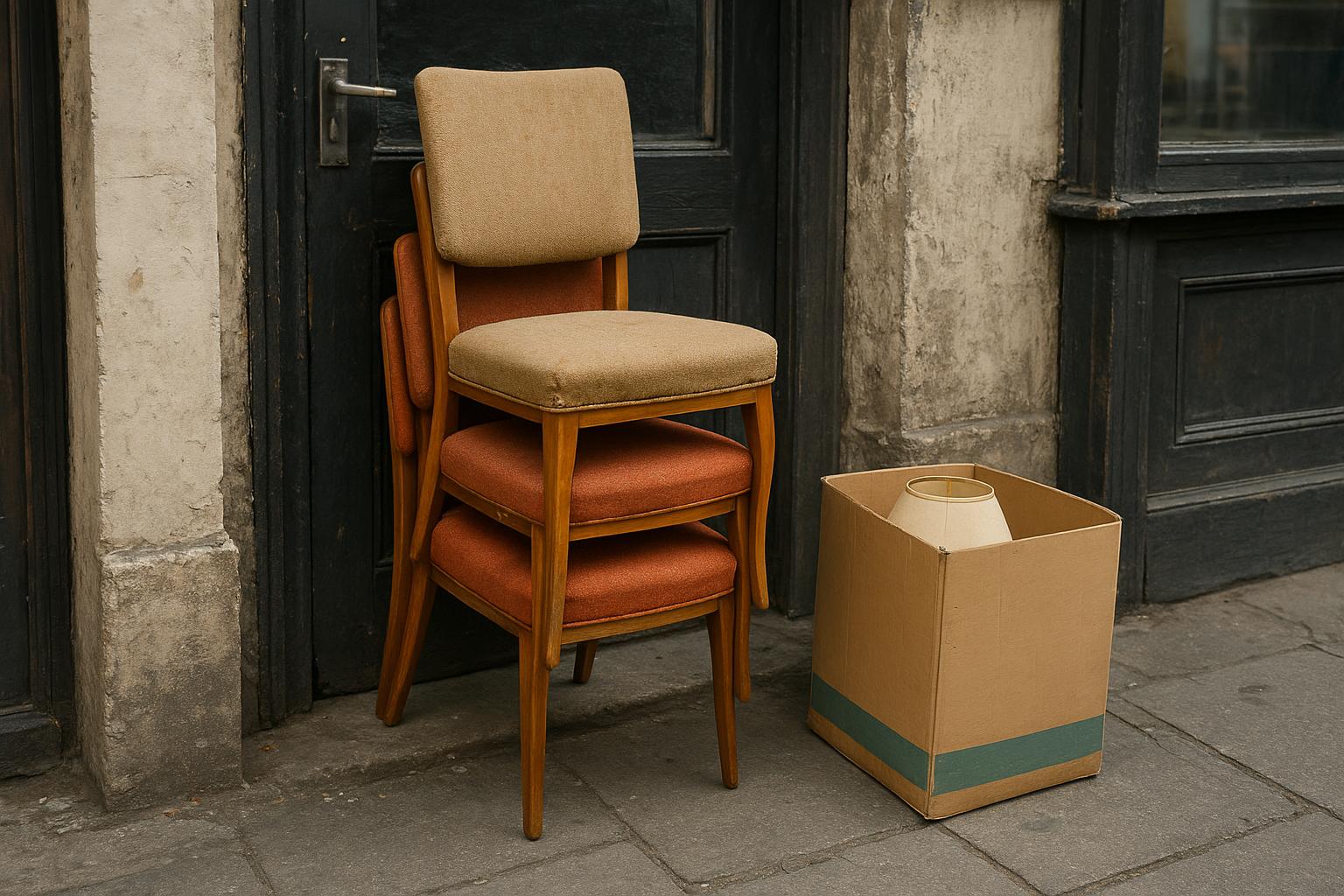
If a shop cannot take your items, do not leave them outside the door or in the doorway after closing. This is fly-tipping, and it creates a cost and a mess for the shop. Councils can fine the person who left the goods, and in some cases the shop can be required to clear the waste.
It is also not wise to leave items near textile banks or charity bins unless the bin is clearly labelled for that item. Overfilled bins create litter, and bags left beside a bin may be soaked by rain or stolen. See our guide to fly-tipping penalties and liabilities for the legal position.
If you cannot find a home for an item, take it back with you and use another route. Our guide to council bulky waste versus private clearance explains the paid options.
Reading a shop's donation policy
Most publish one.
Many charities publish a list of items they accept and refuse on their website or in the shop window. Read it before you go. The list usually names items such as electrical goods, upholstered furniture, children's equipment and cosmetics, and may say how many bags you can bring. Some shops have separate rules for each branch, because storage and demand differ.
If there is no list, ask a member of staff. They would much rather answer a question than turn someone away with a car full of goods. If you are donating a large amount, ask whether they can arrange a collection or a time that suits the stockroom. This also lets them check whether the items match their needs.
Keep a record of what you donated if you plan to claim Gift Aid or want to document the donation for an estate. A short list with the date and the shop name is enough for most purposes.
How to donate well
Give shops what they can sell.
Phone or check the shop's website for current needs. Bring items that are clean, complete and in good condition. Bag clothes neatly and keep books and household goods in boxes. Avoid donating at closing time and avoid turning up with a large load without warning.
Ask whether the shop participates in Gift Aid, which can increase the value of your donation if you are a UK taxpayer. We cover the details in a later guide in this series. If you are donating on behalf of an estate, tell the shop so that they can record it correctly.
A little preparation reduces the chance of a refusal and the time wasted on a wasted trip.
Five quick habits that avoid refusals
Easy and effective.
First, wash or wipe items before donating. Second, check that all parts, cables, buttons and pieces are included. Third, photograph fire safety labels on upholstered furniture. Fourth, bag clothes separately from household goods. Fifth, bring a reasonable amount, and ask about larger quantities.
These habits take only a few minutes, but they reduce the chance of a wasted journey and make life easier for the volunteers who sort your donations. They also make it more likely that your items will find a new home.
Frequently asked questions
Common questions about items that charity shops refuse.
Why did the charity shop refuse my sofa?
Most often because it lacks a permanent fire safety label, is worn or stained, or is too bulky for the shop. Upholstered furniture is among the most commonly refused items.
Can I donate electrical items?
Some shops take tested small appliances, but many do not accept electricals at all. Untested or damaged items are usually refused. WEEE recycling is the usual alternative.
Do charity shops take underwear?
Rarely. Used underwear, swimwear and socks are usually refused for hygiene reasons unless they are new with tags.
Will a charity shop take baby car seats?
Most refuse them because their safety history cannot be verified. Check with a specialist baby bank or use a retailer trade-in scheme.
What should I do with items a charity shop refuses?
Sell them, offer them free locally, recycle textiles, use retailer take-back or WEEE routes, or use a licensed carrier. Do not leave them outside the shop.
Is leaving donations outside a closed shop allowed?
No. It can be treated as fly-tipping, and you may be fined. Always donate during opening hours.
How can I avoid a refusal?
Call ahead, bring clean, complete and safe items, check fire safety labels and keep donations to a manageable amount.
