
Direct answer
Freecycle, Olio and Trash Nothing are community platforms where people give away items for free to neighbours. To use them well, take clear photos, describe the item honestly with its size and condition, give only a general area until you have chosen a taker, arrange collection at a set time and keep people out of your home where possible. Expect some no-shows, so do not rely on a single taker for a deadline. Never accept payment requests or send money, do not list hazardous, illegal or unsafe items, and have a backup plan with a charity, retailer take-back or licensed carrier if nobody collects before your date.
Contents
- What these platforms are
- How the platforms differ
- What works well to give away
- Timing and seasonal demand
- Writing a good listing
- Taking photos that work
- Staying safe
- The handover
- No-shows and how to handle them
- Reducing no-shows
- Scams and red flags
- A short anti-scam checklist
- What not to list
- Food, plants and pets
- Timing and sequencing in a clearance
- A sample weekly schedule
- Backup plan if nobody collects
- Putting a backup chain in place
- Frequently asked questions
What these platforms are
Neighbour-to-neighbour reuse.
Freecycle, Olio and Trash Nothing are examples of online communities for giving and receiving unwanted items for free. Freecycle runs local groups where members post offers and wanted requests. Olio is an app for sharing food and household goods with neighbours. Trash Nothing brings together posts from many local freecycle-style groups into one place.
They share the same principle: if you no longer need something, offer it to someone nearby who might. Items are given away with no payment, and the person who wants it collects it. This keeps usable goods out of the waste stream and helps people who need things but cannot afford them.
Each platform has its own rules, moderation and features, and these can change, so read the current guidelines before you post. This article gives general advice that applies to most.
How the platforms differ
Pick the one that fits.
Freecycle is organised into local groups, usually run by volunteer moderators, and members post offers and requests, with replies by email or through the platform. Many groups have rules about what can be posted and how often.
Olio is a mobile app where neighbours share food and non-food items. It is particularly popular for surplus food, but household items are widely listed as well. Collection is arranged through the app.
Trash Nothing collects posts from a large number of local groups in one place and allows you to browse and post to several at once. Because groups differ, check each one's rules. If your area has several active groups, posting to more than one can speed up the process, but remember to remove the listing everywhere when the item has gone.
What works well to give away
Items that go fast.
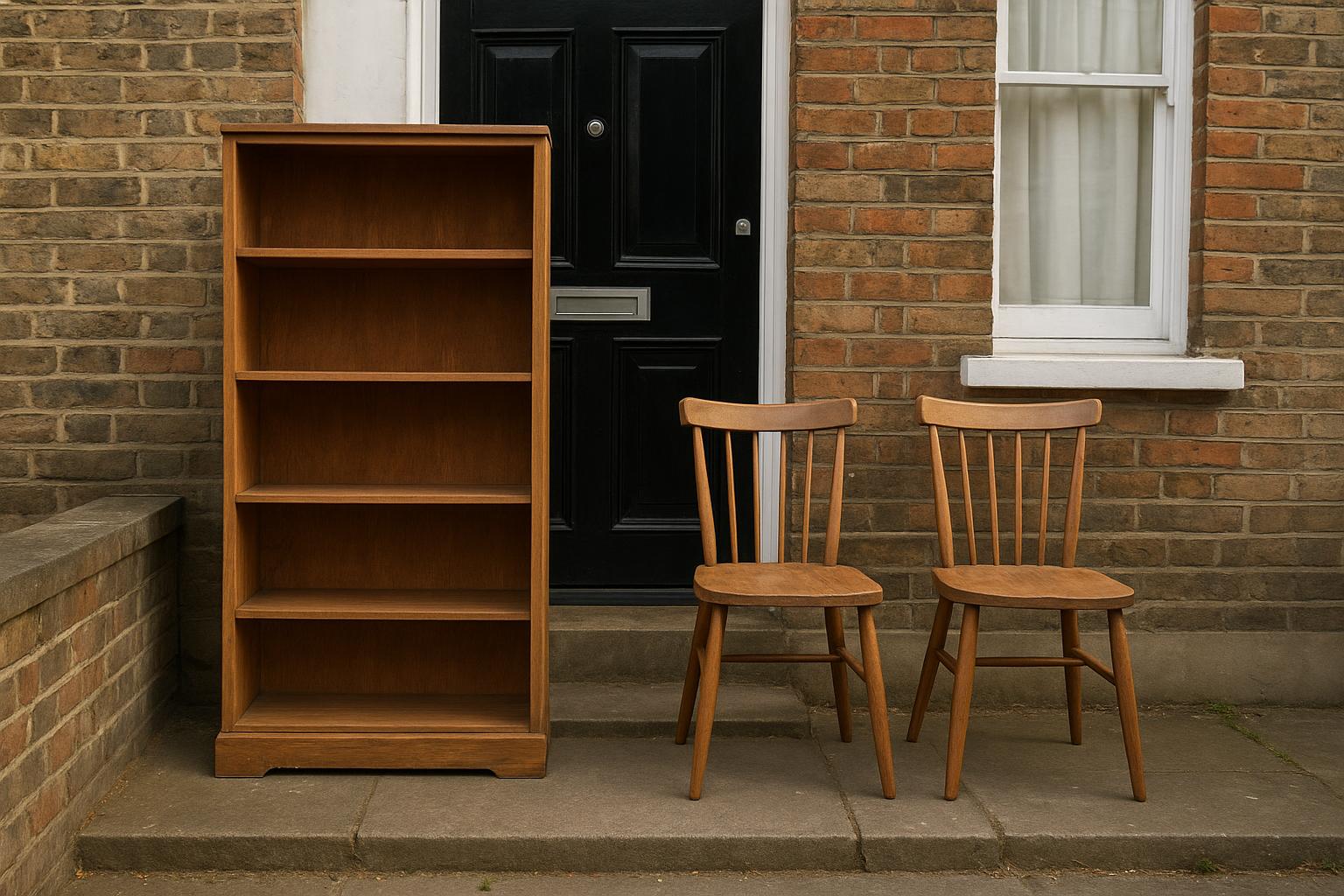
Furniture in good condition, such as bookcases, chairs, tables and wardrobes, often goes quickly. Garden items, including pots, tools and compost bins, are popular. Building and DIY leftovers such as tiles, timber and paint in sealed tins can find takers, as can household items such as kitchenware, bedding in good condition and small appliances.
Children's items, such as toys, books and clothes, are widely wanted, though safety rules apply to some, as we explain later. Craft supplies, plants, pet equipment and bikes also find homes. The key is to be honest about condition and to make the item easy to collect.
If you are clearing a property, break the contents into small lots. A single listing for a whole house is rarely practical, but listings for separate items spread across several days work much better.
Timing and seasonal demand
When things go fastest.
Demand changes through the year. Garden items and bikes are popular in spring and summer. Heaters, coats and winter bedding go quickly in autumn. Student furniture, such as desks, chairs and storage, moves fast around the start of the university year, and kitchenware is popular when people move house in summer.
If you can, match your listing to the season. If you are clearing in January, a barbecue may wait months for a taker, while a heater will go within hours. A short wait can be worth it for high-value items, but if you have a deadline, price the effort in your plan and be ready to use a backup route.
For big items such as sofas and wardrobes, demand is steady throughout the year, but collection needs a vehicle, so the delay may be longer.
Writing a good listing
Clear, honest, short.
A good listing makes it easy for someone to decide quickly. Use a short, specific title such as solid pine bookcase, 180cm high. Include size, colour, material, condition and any flaws. Mention if assembly is needed, whether it is heavy and whether you have a lift or stairs.
- Take clear photographs in good light from the front, side and any damage.
- State your general area only, such as a district or a station, until you have chosen a taker.
- Say when collection is possible and for how long the listing will stay up.
- Say that it is first come first served, or that you will choose the first reliable person who replies.
- Update or remove the listing when the item is gone.
Avoid exaggeration. Saying that a chair is as new when it has a stain will lead to complaints and wasted trips. An honest note about condition builds trust and reduces disappointment.
Taking photos that work
Light, angle and honesty.
Good photographs are the most important part of a listing. Take them in daylight if you can, against a plain background, and stand back far enough to show the whole item. Add close-ups of labels, joints, handles and any damage. A photograph of a drawer open shows depth and condition at a glance.
Include something that shows scale, such as a ruler or a standard object, or give the measurements in the text. Clean the item first, because dust and dirt make good furniture look worse than it is. Do not use filters or edit the photo in a way that hides flaws.
If you are listing several items, post them separately so that people can claim what they want. A single photo of a pile of items with no detail leads to confusion and wasted messages.
Staying safe
Common-sense precautions.
Giving away items means dealing with strangers, so take simple steps to protect yourself. Do not publish your full address in the listing. Share it only with the person who is coming, close to the time of collection. Ask them to message you from the platform rather than moving to another app straight away.
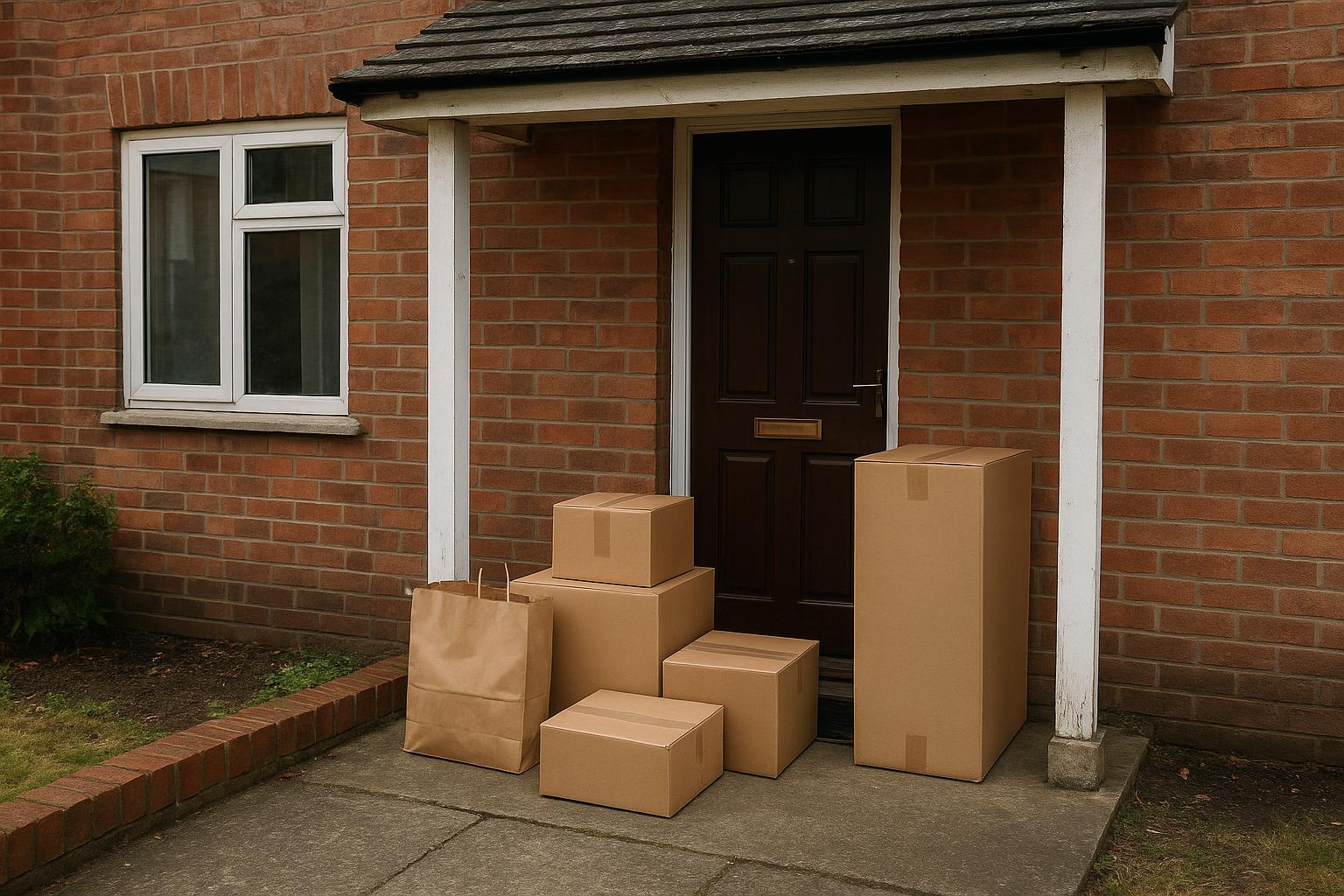
If you can, put the item outside your door, in a porch or in a shared area, so that the taker does not need to enter your home. If the item is heavy and needs a carry from inside, have someone else with you. Do not hand over keys or let people wander around the property.
If anything feels wrong, cancel the collection. You can report the person to the platform, and you should keep the messages. Your safety is more important than rehoming an item.

The handover
A simple, safe routine.
Agree a time and stick to it. Be ready at the door with the item outside or close to the entrance. Check the person's name against the message, and if there are more people than you expected, politely rearrange. Keep the handover short and friendly.
Do not accept payment, tips or favours, and do not agree to deliver. If the taker asks you to carry the item to their car, do so only if you are comfortable and it is safe to do so. Remember that you are responsible for your own safety.
Afterwards, mark the item as taken, thank the person if appropriate and delete the post. If there was a problem, report it to the moderators. Honest feedback helps the community to stay safe and useful.
No-shows and how to handle them
Plan for unreliable takers.
Free items attract people who do not always turn up. A common experience is to arrange a collection, wait and receive no message. To reduce this, ask for a clear time, ask the taker to confirm on the day and keep a second person in reserve.
If you have a deadline, such as a tenancy ending or a clearance date, do not rely on a single taker. Post early, set a firm collection day and say that the item will go to the next person if it is not collected. If you use a clearance firm, tell them which items are still waiting for collection so they can take them if necessary.
Our guide on preparing bulky items for collection explains how to get items ready and where to leave them for easy pickup.
Reducing no-shows
Simple habits that help.
Several habits can reduce the number of people who fail to arrive. Ask the taker to confirm the time on the morning of collection. Choose the person who writes a clear, polite message rather than one who sends a single word. Choose someone who lives nearby, since local takers are more likely to arrive.
Tell the taker how long you will wait. For example, say that you will wait until noon, after which the item will go to the next person. This gives you a clear way to move on. Keep the messages from other interested people so you can contact them quickly.
If someone is repeatedly unreliable, you can report them or block them. Many groups have rules about this, and moderators can remove members who regularly waste other people's time.
Scams and red flags
Do not send money.
Giving away items for free is not a scam in itself, but scammers sometimes target these platforms. Common red flags include someone asking you to send an item by post at your own cost, asking you to click on a link or pay a fee, claiming to be a courier and asking for your bank details or asking to pay a deposit. A genuine taker will simply arrive to collect.
Be cautious about anyone who contacts you outside the platform immediately or who offers to pay a large amount for a free item. The platform rules usually prohibit payment, and a request for payment is a warning sign. Report such messages to the moderators.
Never share bank details, passwords or codes sent to your phone. Never give your front door code or keys. Keep to the platform and to the facts of the collection.
A short anti-scam checklist
Five things to remember.
Keep this checklist in mind whenever you give something away or are contacted by a taker.
- Never send money, vouchers or bank details.
- Never click a link or enter a code that a taker sends you.
- Never post an item to someone you have not met.
- Never give your full address until the taker has been confirmed, and never meet in an unsafe location.
- Always report suspicious messages to the platform.
Most people on these platforms are honest and just want a useful item, but a small number are not. A few simple rules protect you and keep the community healthy.
What not to list
Safety and legal limits.
Platforms usually prohibit listing certain items, such as weapons, drugs, alcohol, medicines, live animals and illegal goods. Some also restrict items that are unsafe, such as cots that do not meet safety standards, child car seats with unknown history, electrical items that could be dangerous and gas appliances. Check the rules for your platform.
Hazardous items such as paint, chemicals and gas cylinders should not be given away through these groups. Our guide to leftover household chemicals and paints explains the proper routes. Mattresses are often unwelcome for hygiene reasons, as set out in our mattress recycling guide.
Upholstered furniture without a fire safety label can be a problem if it is supplied in the course of a business, though private giving is usually outside those rules. See our guide to furniture fire safety labels and be honest in your listing about what the item has.
Food, plants and pets
Special rules.
Food is a major part of Olio and is governed by food safety rules. Never give away food that is past its use-by date, home-made food without a clear ingredient list or anything that could make someone ill. If you are clearing a kitchen, check dates and offer only sealed, in-date items.
Plants are popular but may be subject to rules on invasive species, such as Japanese knotweed, which must not be spread. Do not give away cuttings or soil that may contain invasive species. Live animals are banned on most platforms.
When in doubt, check the platform's rules. If your item is not allowed, use another route such as a charity or a licensed carrier.
Timing and sequencing in a clearance
Work to a schedule.
If you are using free-to-collect platforms as part of a clearance, post items in waves. Start two or three weeks before the date with the larger, more desirable items. Post smaller items closer to the deadline. Keep a list of what has been claimed and what has not, and note collection times.
Leave a gap of at least two days before the clearance for any final collections and for the no-shows to be rearranged. Decide in advance what you will do with items that are not claimed. Our guides on furniture donation in London and charity furniture collections offer backup routes.
If you are acting for an estate, keep a record of items given away, with dates and short descriptions, to include in your accounts.
A sample weekly schedule
Three weeks to go.
Three weeks before the clearance, list the largest and most wanted items: furniture, bikes, garden equipment. Two weeks before, list medium-sized items such as lamps, kitchenware and bedding. One week before, list the remaining small items and anything that did not attract replies the first time. Three days before, make a final decision about unclaimed items and book backup collections.
Keep a simple table with the item, the taker, the agreed time and the status. Update it every evening. This takes a few minutes and shows at a glance what still needs a home. Nobody wants to discover on the last day that six items are still in the house with no plan.
Backup plan if nobody collects
Do not leave it on the street.
Some items will not find a taker, however well you list them. When the deadline arrives, take them to a charity shop, a recycling centre or arrange for a licensed carrier to collect them. Leaving them on the pavement is fly-tipping, even if you put a free sign on them, because councils can treat unattended items in the street as waste.
Check that any carrier you use is a registered waste carrier with our carrier licence check. For the legal background, see our guide to fly-tipping penalties and liabilities.
A good habit is to tell your carrier in advance that some items may be left over from free listings. That way they can price the job properly and plan the vehicle.
Putting a backup chain in place
Make decisions before the day.
Decide in advance what will happen to anything that is left. Write down the order of fallback options: first a charity shop or reuse project, then a retailer or council collection, then a licensed carrier. Book the last of these in advance if you have a fixed deadline, because slots can fill up.
This takes the stress out of the final days. Free listings are a good way to rehome many items, but they cannot be relied upon to empty a property on time. A clear plan with a backup means that no item is left in the street and you do not face a last-minute rush.
Frequently asked questions
Common questions about giving things away through Freecycle, Olio and Trash Nothing.
What are Freecycle, Olio and Trash Nothing?
They are community platforms for giving and receiving unwanted items for free. Freecycle runs local groups, Olio is an app for neighbours, and Trash Nothing brings together posts from freecycle-style groups.
How do I write a good listing?
Use clear photos and a specific title, state size, condition and flaws, give only a general area, say when collection is possible and update or remove the post when the item is gone.
Is it safe to give things away to strangers?
It can be, if you take precautions. Do not publish your address, put items outside if possible, do not let strangers into your home and cancel if anything feels wrong.
What if nobody turns up?
Expect some no-shows. Ask for a confirmed time, keep a second taker in reserve and have a backup such as a charity or licensed carrier.
Can I list a mattress or old sofa?
Many groups discourage mattresses for hygiene reasons, and upholstered furniture may need to be described honestly. Check the group rules and be open about condition.
Can I leave unwanted items on the pavement with a free sign?
No. Items left in the street can be treated as fly-tipping. Use a charity, recycling centre or licensed carrier instead.
Should I accept money or send items by post?
No. These platforms are for free collection, and requests for payment or postage are common scam signs. Report them to the moderators.
