Direct answer
There's no set order you have to follow by law, but most families find it easier to work through the same broad sequence: secure the property, do a first walkthrough without touching anything important, set aside documents and valuables, decide what's kept versus donated or recycled, deal with anything hazardous separately, and only then book a clearance - whether that's next week or in three months. Pricing follows the same property-size ranges as any house clearance (see our bereavement house clearance cost guide for the full table), and if the estate is going through probate, our probate house clearance cost guide covers the legal and financial side separately.
Contents
- There's no deadline - take the time you need
- Agree who's making the decisions
- Secure the property first
- Do a first walkthrough before anything is touched
- A simple room-by-room approach
- Set aside documents, valuables and anything uncertain
- Decide what's kept, donated, sold or recycled
- Hazardous and specialist items need separate handling
- If the property is also going through probate
- Booking a licensed clearance
- What to expect on the clearance day
- Support if you need it
- Frequently asked questions
There's no deadline - take the time you need
A full clearance can happen next week, next month, or in stages - whatever actually works for the family.
One of the most common misconceptions families run into is the idea that a property has to be cleared quickly - within days or weeks of a death. In reality, there's no legal requirement to clear a home on any particular timetable. Unless there's an external deadline forcing the pace - a tenancy ending, a sale about to complete, or a property that has to be handed back - the timing is entirely up to the family.
That matters because the biggest mistakes in this process tend to come from rushing: clearing a room before checking it properly, throwing out something that turns out to matter, or booking a full-house clearance before everyone who has a say has actually agreed. Going slower at the start - even by a few days - usually saves time and stress later.
If there is a genuine deadline, it's worth being upfront about it when you eventually book a carrier, so the work can be scheduled realistically rather than squeezed in at the last minute.
Agree who's making the decisions
Worth settling early, even informally, especially when several relatives have a stake in the belongings.
Before any sorting starts, it helps to agree - even just between immediate family, over a phone call - who's acting as the main point of contact for the clearance, and who else needs to be consulted on specific decisions. This is especially important where several siblings or relatives have an interest in the contents, or where the estate is going through probate and an executor has formal responsibility for the property and its contents.
This doesn't need to be a formal arrangement. It's simply about avoiding the situation where one person books a clearance, or gives something away, that another family member assumed would be kept or discussed first. A short conversation at the start - who's deciding what, and by when - tends to prevent most disagreements that come up later in the process.
Secure the property first
A short practical checklist worth doing before the first proper visit.
If the property is going to sit empty for any length of time before a clearance, a few practical steps are worth doing early: make sure it's locked and, if needed, arrange for someone to check on it periodically; turn off the water at the stopcock if it's going to be unheated over a cold period, to reduce the risk of a burst pipe; and consider redirecting or collecting post so it doesn't build up visibly at the door. Most UK home insurance policies also have conditions about how long a property can be left unoccupied before cover is affected, so it's worth telling the insurer about the situation and asking what applies.
None of this needs to happen immediately after a death - it's simply worth having on a list for whenever the family turns to dealing with the property itself. It's also worth registering the deceased's address with Royal Mail and any mail-order or subscription services once the family is ready, so post stops building up visibly at an empty property - most providers have a process for this once notified.
Do a first walkthrough before anything is touched
A room-by-room look, not a sorting session - the aim is just to see what's there.
Before moving or removing anything, a first walkthrough - ideally with whoever is acting as the main decision-maker - helps build a realistic picture of the job: which rooms hold which kinds of items, where paperwork and valuables tend to be kept (bedrooms, studies, and sometimes less obvious places like wardrobes or under beds), and roughly how much needs to be dealt with overall. This is also the point to note anything that looks old, unusual, or potentially valuable, without deciding what to do with it yet.
This step is about information, not action. Nothing needs to be thrown away, packed, or given away during the walkthrough itself - it's simply the basis for the decisions in the next few steps, and for giving a carrier an accurate picture of the job when you eventually post it.
A simple room-by-room approach
Different rooms tend to hold different categories of item - useful to know before you start.
Properties vary, but most houses and flats follow a similar pattern in terms of where things turn up. A rough room-by-room approach during the walkthrough makes the rest of the process easier to plan:
- Living and dining rooms - usually the most straightforward: furniture, ornaments, books, and media. Worth checking cabinets and drawers for paperwork before assuming a piece is purely furniture.
- Bedrooms and studies - the most likely place to find documents, jewellery, letters and personal effects. Wardrobes, bedside tables and the backs of drawers are common spots for things tucked away and easy to miss on a quick pass.
- Kitchen - mostly general items and appliances, but check noticeboards, drawers and the fridge door for anything financial or time-sensitive, such as unpaid bills or appointment letters.
- Loft and garage - often where older, bulkier or more hazardous items end up: old furniture, tools, paint tins, gas canisters, and sometimes items that haven't been touched in years. Worth a dedicated look rather than treating it as an afterthought, and flagging access issues (narrow hatches, no ladder, no lighting) when you later describe the job to a carrier.
- Garden and shed - garden tools, furniture, and sometimes chemicals or fuel for machinery, which need the same separate handling as indoor hazardous items.
This doesn't need to be exhaustive on a first pass - the aim is simply to know roughly what's where before deciding what happens to it.
Set aside documents, valuables and anything uncertain
The single most important step to get right before any clearance is booked.
Certain categories of items should always be identified and set aside before a general clearance happens, in a clearly labelled box or room:
- Legal and financial documents - the will, bank and pension statements, property deeds, insurance policies, and anything that looks official.
- Identity documents - passports, driving licences, birth and marriage certificates.
- Keys and access items - spare house keys, car keys, safe or deposit box keys.
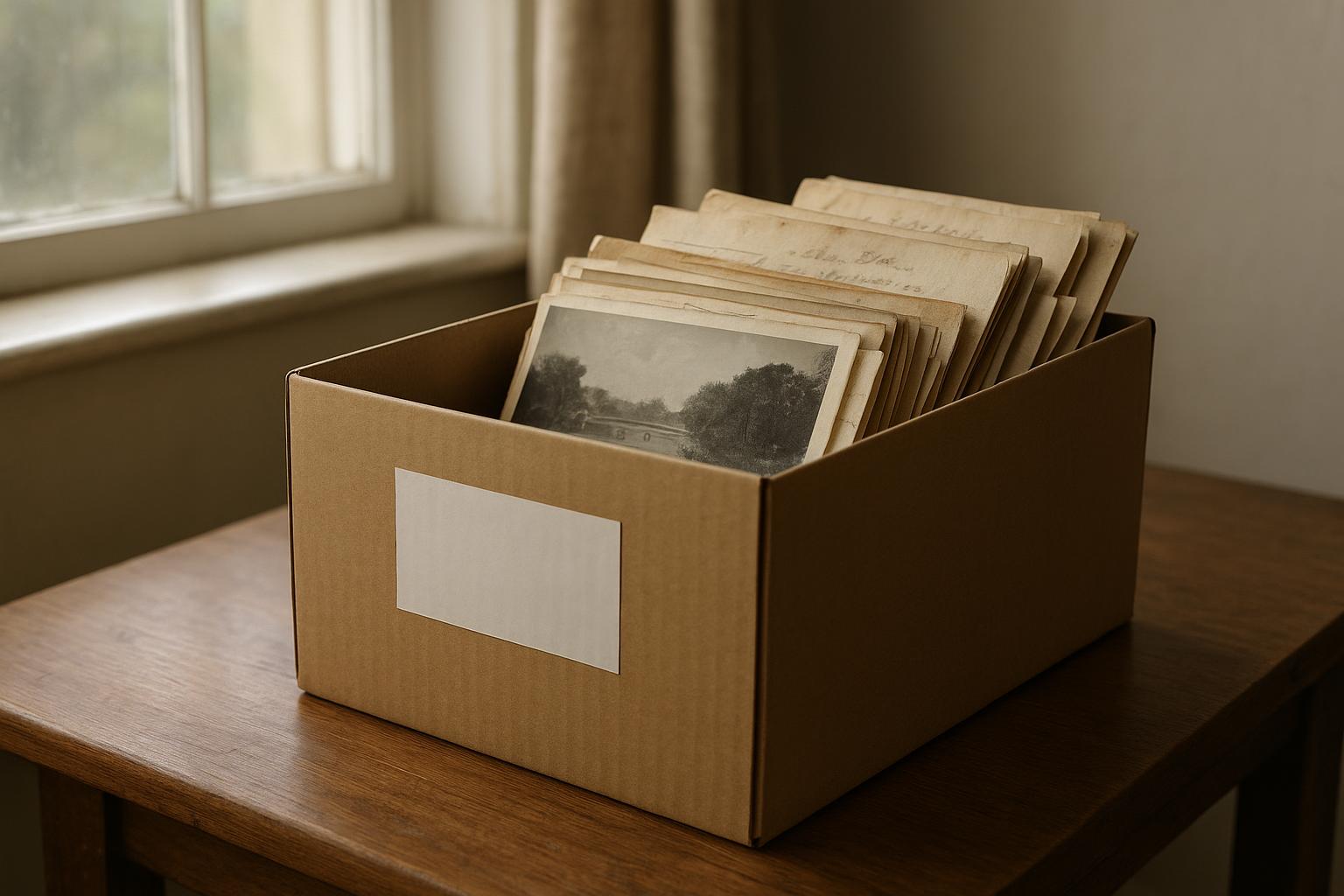
- Photographs and letters - these are rarely valuable financially but are usually the most regretted loss if cleared by mistake.
- Jewellery, antiques and collections - anything that might have specific resale or sentimental value and would benefit from being looked at by a specialist.
houseclearance.co doesn't provide valuations, and the licensed carriers booked through the platform aren't valuers either, so anything in that last category is best reviewed independently before a clearance date is set. Once something has gone out as part of a general clearance, it's far harder to identify or recover.
None of this has to be done in one sitting - going room by room, over however long it takes, usually works better than trying to decide everything at once. Our guide to finding and safeguarding hidden valuables, documents and photos covers this step in more detail, including common hiding spots and what to do with cash or old coins if you come across them.
Decide what's kept, donated, sold or recycled
Most households end up with a mix of all four categories - that's normal.
Once documents and valuables are safely set aside, the rest of the property's contents usually fall into a few groups: items specific family members want to keep, furniture and belongings in good enough condition to donate or sell, and general household items and waste that need clearing. There's no requirement to handle these separately from each other logistically - most carriers will take a mixed load and sort donation-worthy items on their end - but it helps to know roughly which category something falls into before the visit.
For usable furniture, appliances, books and clothing, many families prefer donation over disposal. Our furniture donation guide covers how this typically works in London, and it's worth asking any carrier directly what they do with reusable items as part of the job - some have existing relationships with local charities, others may expect you to arrange donation separately before their visit. This fits with houseclearance.co's wider responsible disposal approach: reuse and donation ahead of recycling, with general waste treated as a last resort.
Items with genuine resale value - furniture in particularly good condition, collectables, or anything a family member wants to try selling rather than donating - are usually better handled before the clearance date, through a local sale, an online marketplace, or a specialist dealer, rather than left for the carrier to deal with. If a buyer needs something delivered rather than collected in person, our eBay & Facebook Marketplace delivery guide covers the practical side of arranging that in London.
It's worth setting a rough cut-off for this kind of selling, though. Trying to sell everything of value before booking a clearance can stretch the process out for months and, in practice, delays the part of the job families usually want settled. A common approach is to give it a few weeks for anything genuinely worth selling, then treat whatever's left as donate-or-clear, rather than letting the sale process set the pace for the whole house.

Hazardous and specialist items need separate handling
Worth flagging upfront so the carrier knows what to expect.
A handful of item types can't simply go out with a general clearance load and need to be mentioned specifically when you post the job:
- Electricals and electronics - covered separately under WEEE (Waste Electrical and Electronic Equipment) rules; see our electronic waste & WEEE clearance page.
- Old paint, chemicals and solvents - these typically need specialist disposal rather than general collection.
- Gas canisters, pressurised containers and similar items - occasionally found in garages or sheds, and worth flagging for safety reasons alone.
- Medical equipment or supplies - some types have their own disposal routes and shouldn't be assumed to be general waste.
- Large quantities of scrap metal - see our scrap metal clearance page if this applies to the property.
None of this is unusual to come across in a full house clearance, and licensed carriers deal with it regularly - the key is mentioning it in the job description rather than leaving it to be discovered on the day, since not every carrier is set up to take every category. If a property has sat empty for a long period before the clearance, it's also worth doing a specific check of sheds, garages and lofts for anything in this list, since these are the areas most likely to hold older items that wouldn't normally be found elsewhere in the house.
If the property is also going through probate
A related but separate process, with its own timeline and legal requirements.
Clearing personal belongings and giving the property a general tidy is usually fine to do before probate is finalised. Where it gets more sensitive is around higher-value items, anything that might need to be valued for inheritance tax purposes, or decisions that affect the eventual sale of the property itself - these can depend on executor authorisation and, in some cases, a grant of probate being in place first.
If the estate is going through probate, our probate house clearance cost guide covers the executor's responsibilities, authorisation, and how probate timing can affect scheduling in more detail. This guide focuses on the practical, family side of organising the clearance itself; where the two overlap, it's worth checking the specifics with a solicitor rather than assuming either guide covers every situation.
If there's no will, the process is slightly different: the estate is dealt with under intestacy rules, and the person who administers it (usually a close relative, decided by those rules) applies for "letters of administration" rather than a grant of probate. The practical effect for a clearance is similar either way - someone needs to be recognised as having authority over the estate's contents before major decisions are made - but it's worth knowing which situation applies, since the terminology and the person responsible can differ.
Booking a licensed clearance
Only once documents, valuables and donation items have been dealt with.
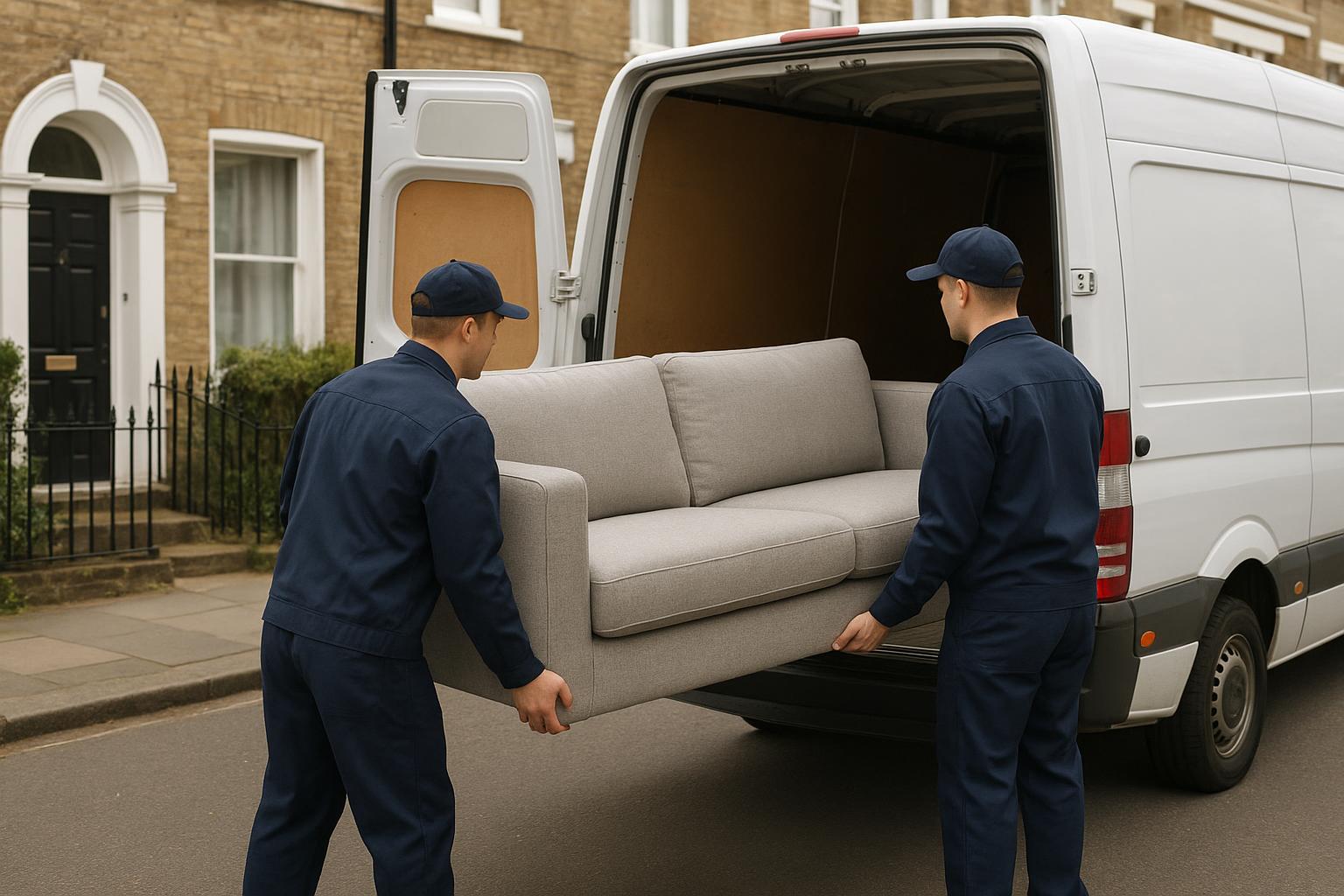
Once the property has been walked through, documents and valuables are safely set aside, and the family has agreed roughly what's being kept, donated or cleared, the remaining job is to book a licensed carrier for whatever's left. Pricing is based on property size and volume rather than anything specific to bereavement - our bereavement house clearance cost guide has the full indicative price table.
Checking that a carrier is properly licensed matters here as much as anywhere else - our guide to choosing a licensed house clearance company and waste carrier licence check tool cover what to look for. It's also worth saying directly in the job post that the clearance follows a bereavement and whether a sympathetic, unhurried approach matters to the family - this can vary by carrier, and flagging it upfront tends to mean a more considerate visit.
For a shorter general checklist covering any house clearance (not specific to bereavement), see our house clearance checklist.
What to expect on the clearance day
A straightforward visit, once the scope has been agreed in advance.
Describe the job
Property details, rough volume, anything being kept or donated separately, and any hazardous items to flag, then post the job for licensed carriers to quote.
Add access and timing
Postcode, who holds the keys, and whether there's a date in mind or the family would rather wait, so the quote reflects the real job.
Get a carrier quote
Our team matches your job with a suitable licensed carrier, who contacts you directly with a price and timing that works.
You're not charged for getting an estimate or posting a job - nothing is owed until you've actively accepted a specific quote from a specific carrier, and there's no obligation to book straight away. See how the full process works on our how it works page, or look at real examples in our case studies.
Afterwards, the practical wrap-up is usually short: a final check that keys, meter readings and any access arrangements have been handed back correctly, and confirmation from the carrier that the agreed scope has been completed. If the property is being sold or handed back under a tenancy, this is also the point to arrange any separate cleaning, before keys are returned or a new occupant moves in.
Support if you need it
The clearance is only one part of what's usually a much bigger process.
Organising a clearance is often just one task among many after a death, alongside registering the death, dealing with the deceased's affairs, and the wider administrative process. GOV.UK's "What to do after someone dies" guidance covers that broader checklist - registering the death, notifying government departments, bereavement benefits, and applying for probate - which goes well beyond what this guide covers.
If the emotional side of clearing a home feels like more than you expected, that's a normal reaction, not a sign anything is being done wrong - our guide to coping with the emotional weight of clearing a parent's home looks specifically at grief, decision fatigue and family dynamics during this process. Cruse Bereavement Support (cruse.org.uk, national helpline 0808 808 1677) offers UK-wide support specifically around grief and bereavement. Samaritans (samaritans.org, 116 123) are available 24 hours a day, every day, if things feel overwhelming at any point during the process, for any reason - not only in relation to the clearance itself.
Frequently asked questions
The questions that come up most often when organising this kind of clearance.
How soon after a death do we have to clear the house?
There's no legal deadline. In practice, timing is usually set by a tenancy ending, a sale completing, probate reaching a certain stage, or simply when the family feels ready - not by any requirement to clear the property within a fixed number of days or weeks.
Do we need probate before we can clear the house?
Not always, and the two are separate questions. Clearing personal belongings and arranging a general tidy is usually fine before probate is granted. Decisions about selling the property, or dealing with higher-value or disputed items, may need to wait for executor authorisation - our probate house clearance cost guide covers this in detail, and a solicitor can confirm what applies to a specific estate.
What should we definitely keep aside before a clearance?
Legal and financial documents (will, bank and pension paperwork, property deeds, insurance policies), identity documents, photographs and letters, keys, and anything that looks like it could be a valuable antique, piece of jewellery or collection. None of this should go into a general clearance - set it aside in a labelled box first.
Who decides what gets kept, donated or thrown away?
Usually whoever in the family is acting as the main point of contact, often alongside the executor if the estate is in probate. Where several relatives have a stake in the belongings, agreeing this upfront - even informally - avoids disagreements once a clearance date is booked.
Can usable furniture and belongings be donated instead of thrown away?
Yes, and many families prefer it. Furniture in good condition, working appliances, books and clothing can often go to charity rather than landfill - see our furniture donation guide for how this typically works, and ask any carrier you book what they do with reusable items before confirming the job.
What happens to hazardous or specialist items during a bereavement clearance?
Items like old paint, chemicals, gas canisters, certain electricals and some medical equipment need separate, careful handling rather than going out with general waste. Flag anything like this in your job post so a carrier knows what to expect and can confirm they're able to take it.
Do we have to use the same carrier for the whole house, or can we split the work?
You can split it however suits the family - clearing communal rooms or less personal spaces first and coming back to a bedroom, study or loft later, or booking the whole property in one visit. Saying what's in scope when you post the job means the quote matches the actual work.
How much does this kind of clearance cost?
There's no separate bereavement rate - pricing follows the same property-size ranges as any house clearance in London, from around £150 for a studio flat to £2,500+ for a large family home. Our bereavement house clearance cost guide has the full price table and what affects it.
Where can we get emotional support during this process?
Cruse Bereavement Support (cruse.org.uk, national helpline 0808 808 1677) offers UK-wide grief support, and Samaritans (116 123) are available 24/7 if things feel overwhelming at any point, for any reason. GOV.UK's "after a death" guidance also covers the wider administrative and legal checklist beyond the clearance itself.
What if family members disagree about what to keep?
This is common, and worth addressing before a clearance date is booked rather than during it. Setting aside disputed items in their own labelled box, separate from anything already agreed, buys time for the family to resolve it without holding up the rest of the clearance.
Does the property need to be professionally cleaned as well as cleared?
Not necessarily, and it depends what happens to the property afterwards. A clearance removes belongings and rubbish; it isn't the same as a deep clean. If the property is being sold, let to a new tenant, or handed back under a tenancy, a separate cleaning service is usually worth arranging once the clearance is finished.
Ready to see your price?
Post the job whenever you're ready - there's no obligation to book, and no pressure to do it today.