
✅ Real completed job. This case study documents a genuine completed clearance job using a verified historical job record (Job Ref: 69, Wembley Park HA9) provided for publication on houseclearance.co - the photos, description and figures below are real, not illustrative.
The case study: household furniture clearance in Wembley Park
Before and after photos from a genuine completed clearance job documented in a verified historical job record.
Drag the slider on each photo pair below to compare the room before and after the clearance. This house clearance in Wembley job involved furniture and household clutter being removed from a domestic property in Wembley Park.
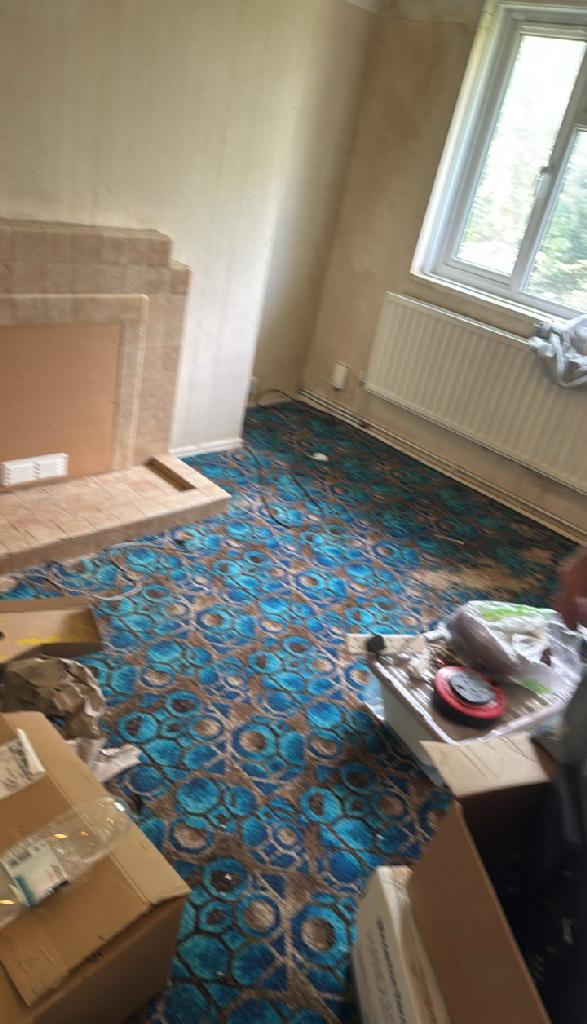
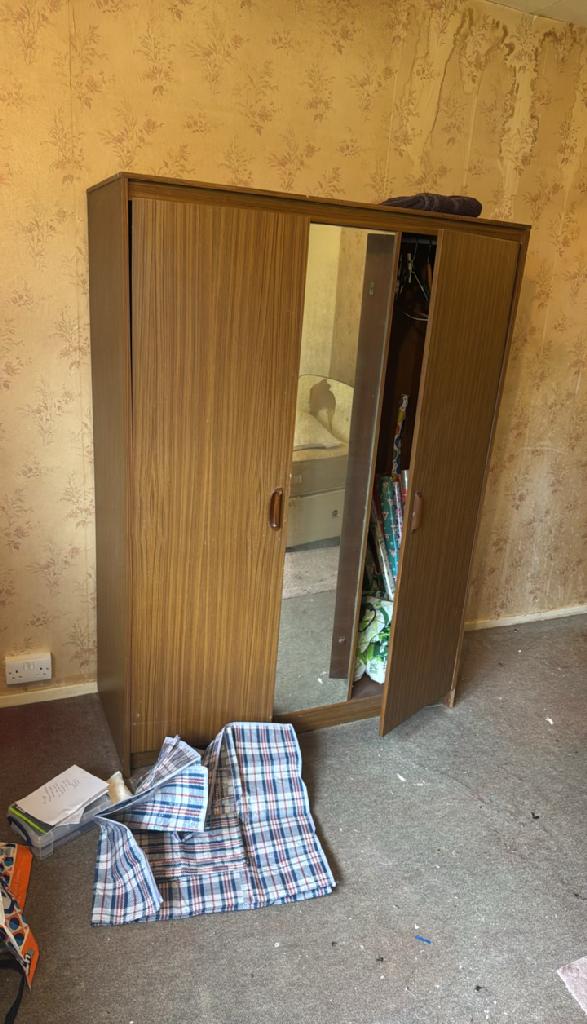
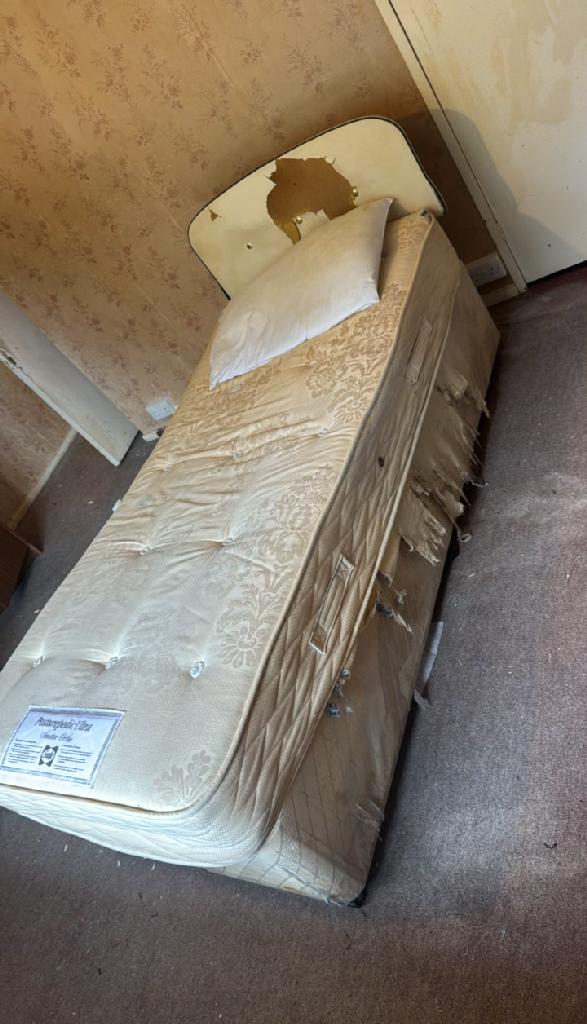
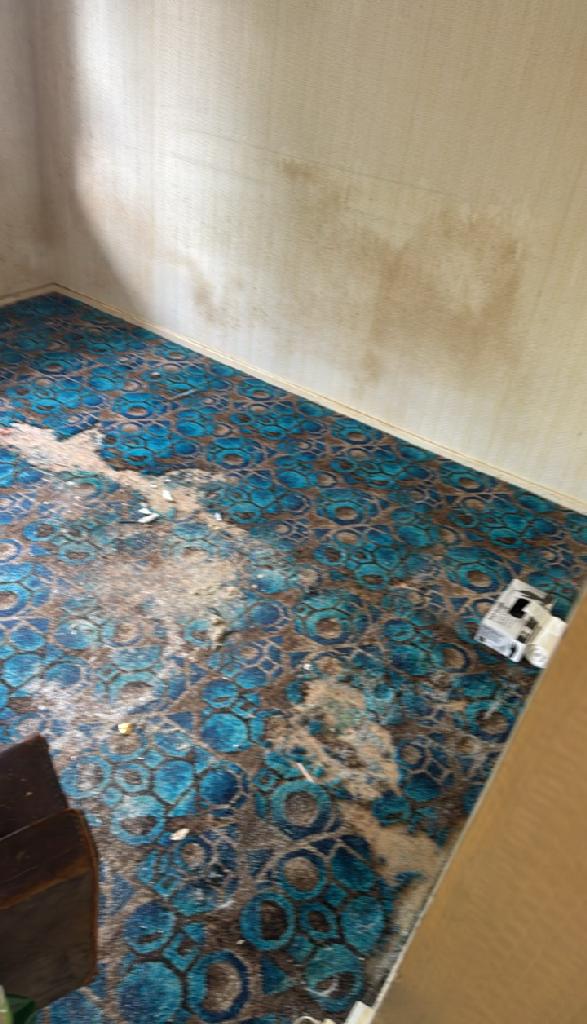
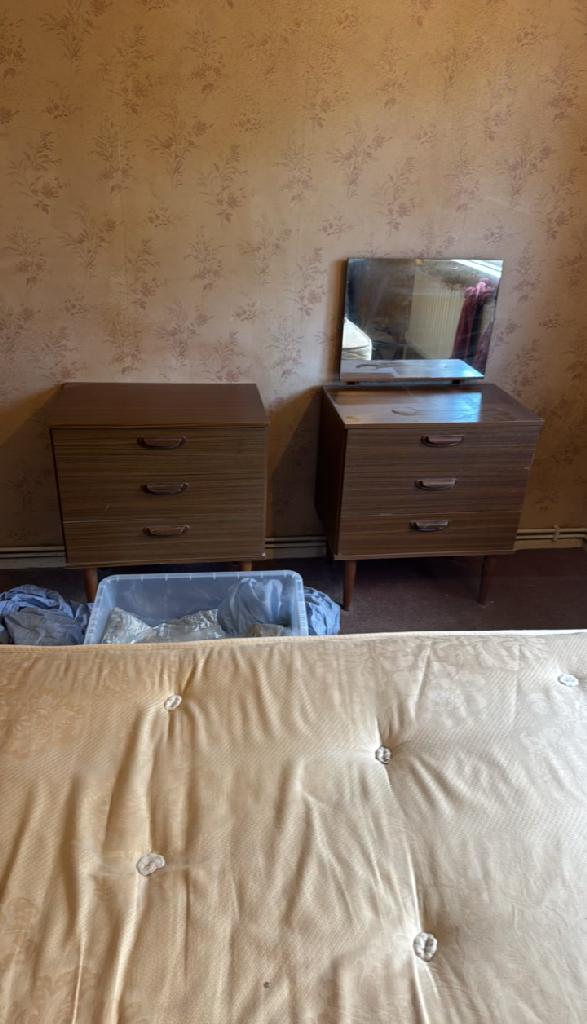
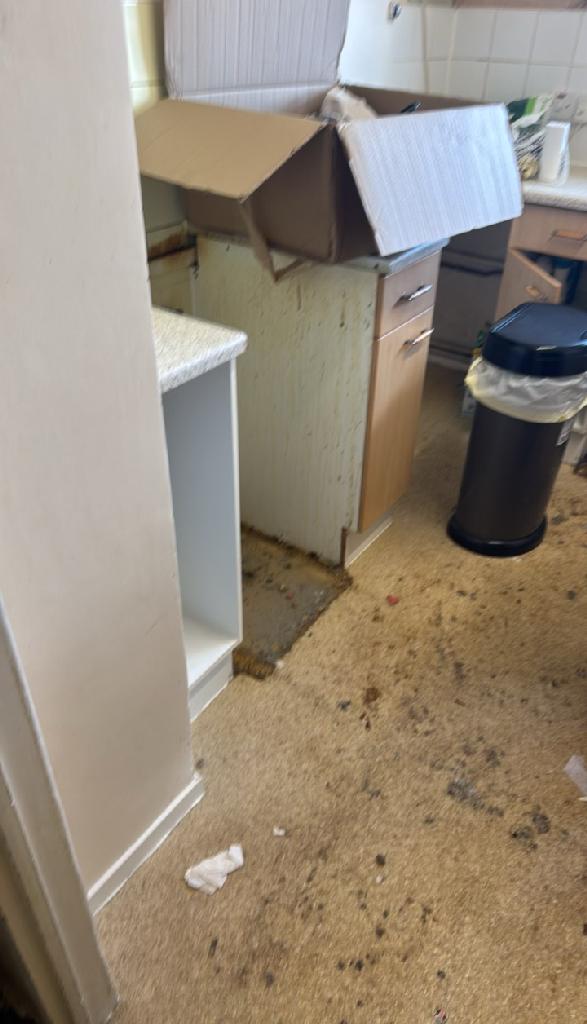
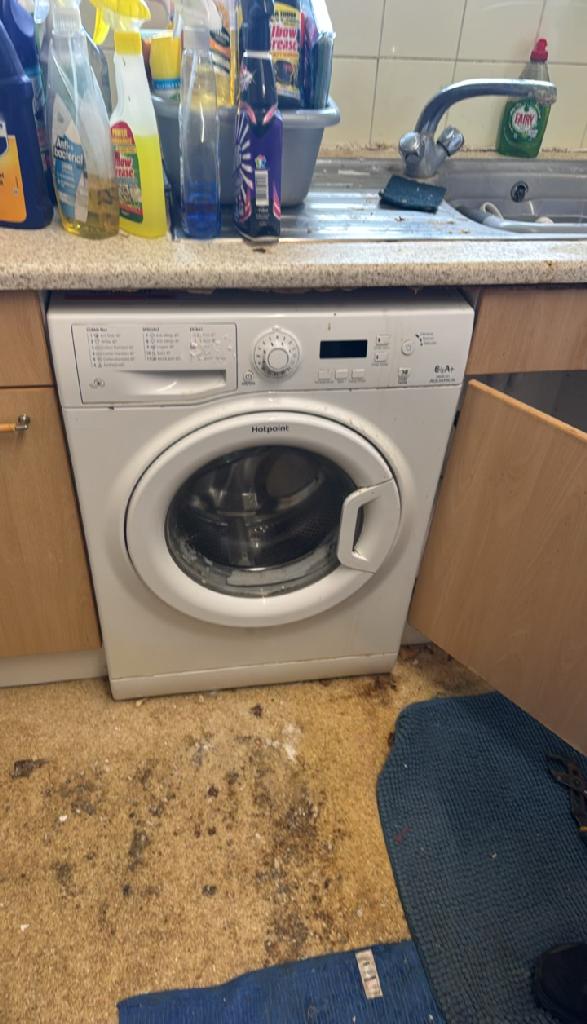
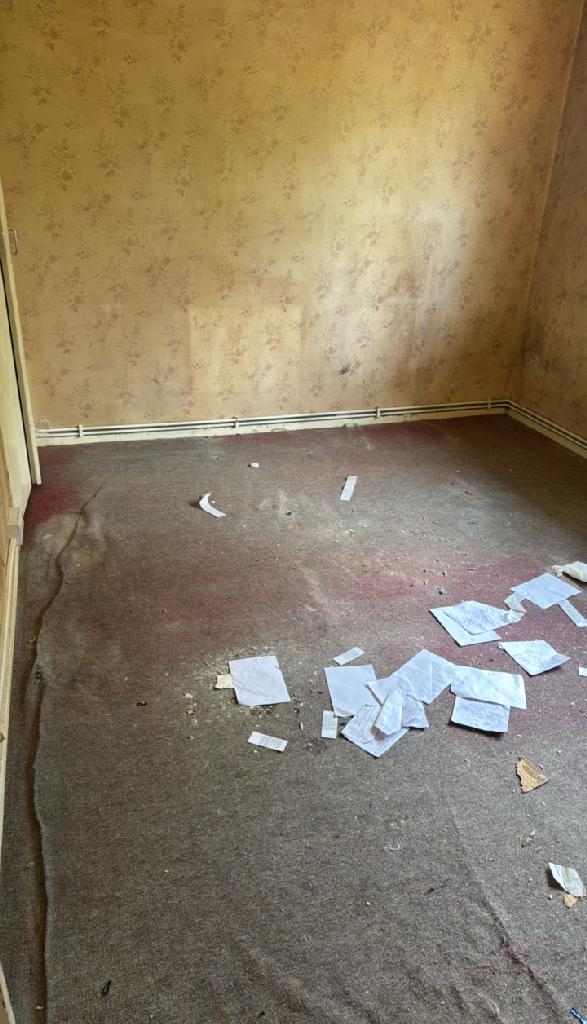
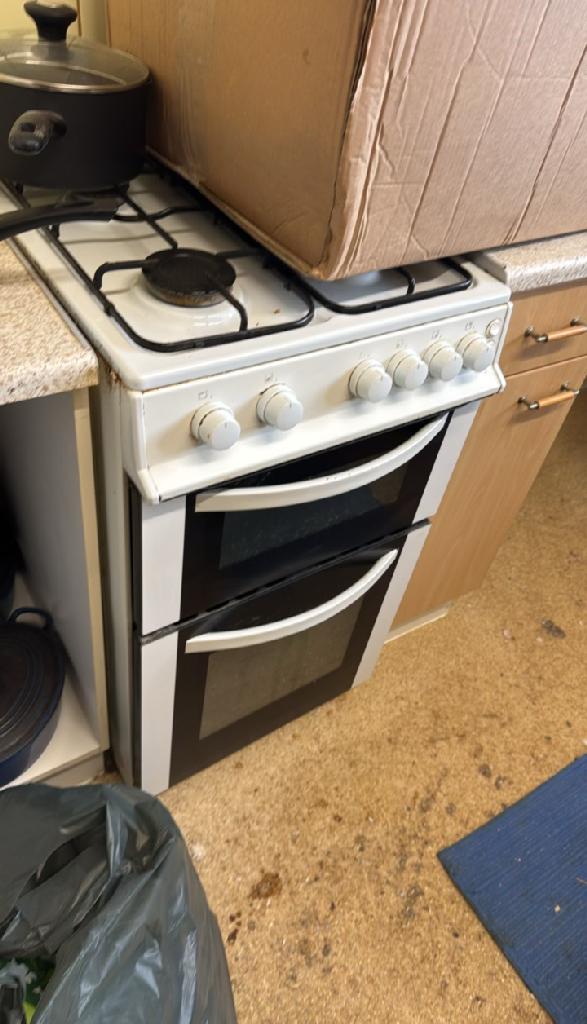
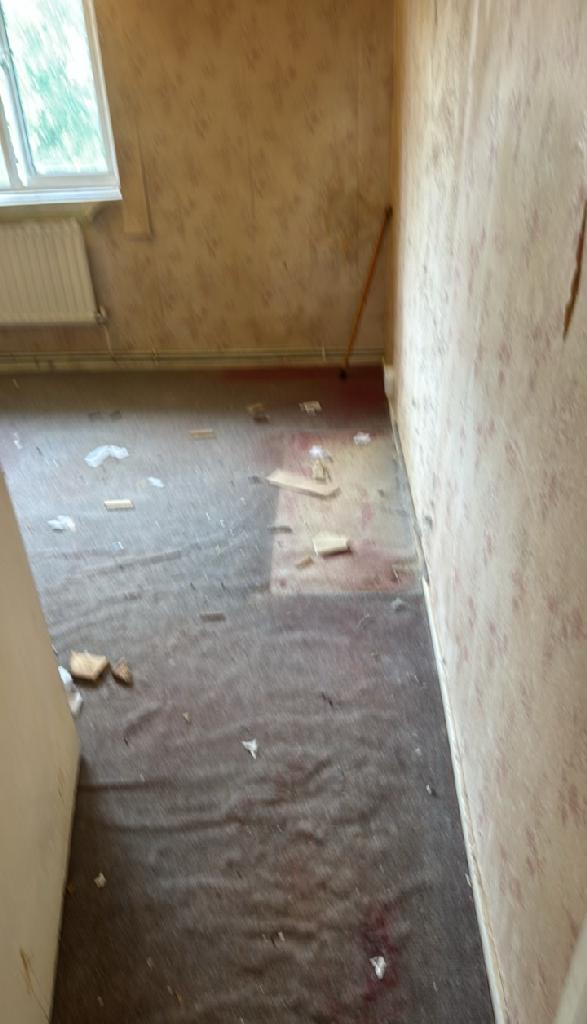
Further before photos from the same job, showing the extent of the clutter across the property ahead of the clearance.
Household Furniture Clearance in Wembley Park
When unwanted furniture and household items build up across a property rather than in one obvious pile, the clearance itself has to be planned differently. This household furniture clearance in Wembley Park job is a good example of exactly that situation: furniture, bedding and general household clutter had accumulated in more than one part of the property, rather than being confined to a single corner. The result is a job that needed a clear route through the property and a sensible order of removal, rather than a single quick lift-and-load.
The situation: Before the clearance, the property showed a mixed pattern of household furniture and general clutter. In one area, a wardrobe stood with loose items at floor level, while upholstered furniture was left partly exposed and surrounded by bags and scattered pieces. Elsewhere, there was evidence of messy storage and waste accumulation: a bed area had items pushed aside with bedding and packing materials nearby, and additional furniture and household goods were grouped along walls. The kitchen area also showed cleaning disruption, with the space around the cooker and nearby surfaces affected by residue and debris. Throughout, the central problem was not simply visual clutter - it was the way items blocked walkways and reduced usable floor space, which in a lived-in home can make ordinary day-to-day movement genuinely awkward.
The waste itself was a genuinely mixed load: upholstered furniture, bedding and soft goods, cartons and packaging, and general household debris spread across carpet and hard flooring. That combination meant the clearance needed planning rather than a single sweep through the property - soft furnishings and fabrics need secure handling so they don't shed material as they're moved, loose pieces have to be collected carefully so nothing gets left behind, and any packaging or smaller items need separating during loading so the crew can keep control of the waste stream from room to room.
How the clearance was carried out: From arrival, the process was built around speed, control and clarity. The team started by assessing the layout of the property and identifying clear paths for moving furniture and waste from inside the property to the loading area. The loading order was planned so the most obstructive items came out first, opening up circulation space early in the job rather than leaving the biggest obstacles until last. That sequencing matters when furniture and clutter are spread across more than one area, because it reduces the time spent navigating around items that are still in the way.
Bulky furniture was loaded carefully, handled in a way that avoided unnecessary damage to walls, doors and fixtures along the route out of the property. Softer items such as upholstery and bedding were managed with the right care to keep the waste together and limit the risk of additional debris falling onto the floor during transport. Loose items and smaller pieces were collected systematically so that nothing was inadvertently missed once the bulkier furniture had already gone. Throughout the removal, the pace stayed appropriate for a domestic environment - efficient enough to keep the 78-minute job moving, but careful enough to protect the property and limit the mess created along the way.
After the main furniture and waste was taken out, the job moved into a cleanup phase. This is where the transformation becomes visible in the photographs - areas that had previously looked cluttered and blocked were left more open, with fewer items remaining and fewer visible pieces on the floor. Final checks covered any remaining loose debris, so the cleared areas were left ready to function as usable space again rather than partially tidied.
The result: The difference was clear once the job was finished. Areas that previously had furniture and items positioned on floors and along walls were left with noticeably more open space. The photographs show a real reduction in visible clutter, with fewer loose pieces across the carpet and more practical room layouts. The property moved from blocked and cluttered to open and tidy - the point of the clearance was not just to take furniture and waste away, but to hand back space that could actually be used again for everyday living.
Every job on houseclearance.co is quoted on individually by licensed carriers - £650.00 was this job's agreed price, not a fixed rate for Wembley Park or for household furniture clearance generally.
How a house clearance typically works in Wembley
The general process, not a fact about the case study above.
Work through the property in a sensible order
Where furniture and clutter have spread across more than one area, it usually helps to think in terms of the most obstructive items first - clearing the main circulation space before tackling anything against a wall that isn't blocking a walkway.
Separate what's being kept before the carrier arrives
Sorting a "keep" pile away from what's genuinely being cleared avoids items ending up mixed back together once loading is under way, particularly in a smaller flat where space is tight.
Flag soft furnishings and bedding separately
Upholstery, mattresses and bedding need to be handled a little differently to hard furniture, so mentioning the mix of soft and bulky items when you post the job helps a carrier plan the right approach in advance.
Donation, recycling and responsible disposal
Landfill is the last resort, not the first step: furniture, bedding and the other items pulled from a job like the one above are sorted with donation and recycling considered ahead of disposal, so only what genuinely can't be reused or recovered ends up there.
Final check and handover
Once the property is cleared, a final walk-through usually follows to confirm nothing was missed and that walkways and floor space are genuinely usable again, not just partially tidied.
On the platform, this whole process starts the same way regardless of area: Post the job with your postcode and details, and compare quotes from licensed local carriers who cover Wembley Park - there's never a single fixed price set by us.
Property types and access in Wembley
What a carrier needs to know before pricing the job.
Wembley Park and the streets around it are a genuine mix of housing types rather than one dominant style. Purpose-built blocks and flats above shops are common nearer the main roads, where a carrier will usually ask about stairs and lift access before quoting - a flat with no lift on an upper floor takes longer to clear than a ground-floor one, even when the volume of contents is broadly similar. Further out towards Sudbury, Alperton and the quieter residential streets, 1930s semi-detached houses with front gardens and off-street parking are more typical, which usually speeds up loading but can also mean a bigger overall volume once a garage, shed or loft gets factored in alongside the main rooms.
Properties near the stadium and arena can occasionally see match-day or event-day parking restrictions on the surrounding streets, so if an address sits close to that end of Wembley, it's worth checking local signage and mentioning any restriction when the job is posted - a carrier would rather plan around it in advance than discover a restricted bay on arrival. Where furniture and clutter have spread across more than one area, as in the case above, it's also worth describing the layout briefly - which parts of the property are affected and whether there's a clear route to the front door - since that shapes how a carrier sequences the job just as much as the total volume does.
Terraced housing closer to the older shopping streets tends to have narrower frontages and less room to stage furniture on the pavement while it's loaded, which is worth mentioning if it applies to your address. Two properties of a similar size in Wembley can attract noticeably different quotes purely because of that difference in access, rather than the actual volume being cleared.
What's typically included in a clearance
Household contents, not a fixed list of categories.
Most domestic clearances cover the general accumulation of furniture, bedding, boxed belongings and household items that builds up in a property, whether that's confined to one area or spread across several as in the case study above. What drives the quote is usually the overall volume of contents to be removed rather than the specific mix of categories - a flat full of soft furnishings and bagged items can take about as long to clear as one with heavier furniture, depending on access and volume.
Kitchens showing general debris and residue, as in the case above, are generally included as part of a household clearance rather than treated as a separate job, provided the scope is described clearly when posting. Bedrooms with bedding, packing materials and general clutter are handled in the same way - the mix of soft and hard furniture is common in a real domestic clearance rather than unusual.
Old carpets, curtains and general soft furnishings are usually included alongside bulkier furniture, as is anything left behind that isn't being kept. Where a clearance covers more than one area of a property, it's worth being specific about which ones so a carrier can judge the total volume before they even see photographs. Photographs of the affected areas, similar to the ones in this case study, tend to sharpen the estimate further still, particularly when clutter has spread rather than being confined to one obvious pile.
Items that need special handling
Worth flagging when you post, not discovering on the day.
A short list of items falls outside a routine clearance and generally needs mentioning upfront: old paint tins, solvents and gas canisters classed as hazardous materials; anything suspected of containing asbestos, which can occasionally surface in older properties during renovation-linked work; large fridges and freezers, which need WEEE-compliant handling because of the refrigerant gases inside them; and building or renovation waste such as rubble or old kitchen units, which some carriers fold into a clearance quote and others quote for separately.
Naming these categories when the job is first posted means a carrier can turn up with the right disposal route already worked out, rather than needing to requote or leave something behind once they're on site. In a job like the Wembley Park clearance above, where furniture and clutter had built up across more than one room, that kind of upfront detail is what let the crew arrive already prepared for the mix of items they'd actually find.
Electrical items more broadly - not just fridges and freezers - fall under the same WEEE-compliant disposal rules, since they can't legally be landfilled untreated. That covers everything from televisions and microwaves through to small kitchen appliances, and a licensed carrier will already have a route for handling them correctly without you needing to sort them out separately beyond pointing them out. Heavy single items such as a wardrobe or a large bed frame are also worth a specific mention, since their weight and size can change both the vehicle needed and the number of people required to move them safely.
What affects your price
Real quotes, not a published rate card.
houseclearance.co doesn't set a fixed price for a house clearance in Wembley - carriers quote on each job individually, and a number of practical factors shape those quotes:
- Overall volume of furniture and contents to be removed
- How much of the property is affected and whether clutter is spread out
- Stairs, floor level, and lift availability
- Parking or loading restrictions near the property
- Whether furniture needs dismantling before removal
- Any specialist waste requiring separate handling
- Likely number of loads or vehicle trips
- How urgent the job is
None of these work as a fixed multiplier - they're simply the details that make one job take longer, or need more vehicle space, than another. In the case above, the fact that furniture and clutter were spread across more than one area rather than confined to one spot was a genuine factor in how the job was planned and priced. The more of this you include when you post, the less likely a quote is to shift once a carrier actually sees the property.
How much notice you give also feeds into the quotes you'll see. Give carriers a few weeks' lead time and they can slot the job in around other work more easily; ask for something within a day or two and the pool of carriers free to take it on shrinks accordingly. Neither approach is the wrong one to take - just be aware of the trade-off you're accepting when weighing up the offers that come in.
Furniture handling, dismantling and doorway sizes
What matters most on a furniture-heavy clearance.
A clearance built mainly around furniture, rather than boxed belongings or garden waste, runs into a different set of practical problems. Wardrobes, bed frames and upholstered pieces are heavy and awkward to angle through doorways and around corners, and the photographs in this case study show that kind of furniture spread across more than one room rather than gathered in a single spot - a bed area, a wardrobe, and pieces along the walls of other rooms all had to be worked through in turn. That spread is part of what made careful sequencing necessary: clearing the most obstructive pieces first opened up room to manoeuvre the rest.
Dismantling is a common part of furniture clearance work, particularly for wardrobes, bed frames and larger cabinet-style pieces that won't fit through a standard doorway or down a narrow staircase in one piece. Taking a wardrobe apart on site, for example, can turn one oversized item into several manageable panels, which matters most in flats and older properties where doorways and hallways were never built with bulky modern furniture in mind. Even where a piece doesn't need dismantling, knowing its rough size in advance helps a carrier judge whether it will pass through the available doorways and stairwells without needing to take it apart on the day.
Reuse is also worth considering for furniture in reasonable condition. Wardrobes, bed frames and upholstered pieces that are still structurally sound are often suitable for donation or reuse schemes rather than being treated as waste outright, which is one reason carriers tend to sort furniture loads as they're loaded rather than treating everything the same. Mentioning the number, rough size and condition of the main furniture pieces when posting a job - alongside whether the clutter is confined to one room or spread across several, as it was here - tends to produce a quote that holds up once the carrier actually arrives.
Preparing for clearance day
A short checklist that helps the day run smoothly.
Once a quote has been accepted, a bit of preparation generally makes the visit itself faster and less stressful, particularly where furniture and clutter have spread across more than one area.
- Set aside anything being kept, clearly separated from what's being cleared
- List which areas of the property are affected, rather than describing it as a whole
- Confirm parking or loading arrangements with the carrier in advance
- Flag any items needing special handling before the day itself
- Note any fixed deadline - moving date, handover date, or sale completion
- Decide who will be present, or nominate a contact to give access
- Keep a note of any items you might want photographed before removal
Anyone who can't stay for the whole job should settle the arrangement with the carrier ahead of time rather than leaving it to be sorted out on the doorstep - this comes up often with probate work in particular, where the person organising the clearance may be coming in from outside Wembley altogether.
Before the carrier arrives, walk back through the property once more after setting aside what you're keeping - drawers, cupboards and built-in storage are the spots most likely to get missed until clearance day is already underway. Paperwork, keys and small valuables are worth a last look for specifically, since they're easy to lose track of once the crew starts working through rooms like the ones cleared in this job.
Responsible disposal
Reuse and recycling before anything goes to landfill.
A Wembley job like the one above doesn't get tipped into a single skip - carriers work through it as they go, offering reusable furniture and household goods to local charities or reuse schemes, pulling out metal, wood and electricals for recycling, and sending only what genuinely has no further use to landfill. The split between these routes varies a little from carrier to carrier, so it's a reasonable question to ask directly if it matters to you when comparing quotes. See responsible disposal for more on how this is expected to work across the platform.
More generally, anyone planning a similar clearance in Wembley may wish to start with the job request form and post the job with as much detail as possible - which areas are affected, access, floor level, and anything needing special handling - before comparing quotes from licensed waste carriers covering the area. It's the same process regardless of whether the job is a general household furniture clearance, a probate clearance or a straightforward end-of-tenancy handover.
Questions about house clearance
Common questions, answered generally rather than for this one example.
Can a furniture clearance cover more than one area of a property?
Yes - this is common rather than unusual. Describing which areas are affected when you post the job helps a carrier judge the total volume and plan a sensible order for removing furniture and items.
How are bedding and soft furnishings handled during a clearance?
Soft items such as bedding, upholstery and mattresses are handled with a little more care than hard furniture to avoid debris spreading during removal. Mentioning that a job includes a mix of soft and bulky items helps a carrier plan the right approach.
What happens to the furniture and contents that are cleared?
Reputable carriers will typically donate usable furniture and items, recycle what they can, and dispose of the rest responsibly through licensed waste routes. Carriers will be required to provide valid waste carrier registration before accepting live jobs, and you can ask any carrier about their donation and recycling process before accepting a quote.
Does houseclearance.co cover all of Wembley Park?
Yes. Wembley Park is covered as part of the wider Wembley carrier network, so wherever your property sits within the area, you can post a job and licensed carriers with capacity nearby can quote on it.
How does the quotation process actually work?
Post the job with your postcode and access details. Licensed carriers covering Wembley Park review the listing and submit quotes, and you choose whichever offer suits your budget and timeline - or none at all, if nothing fits.
Does bulky furniture need to be dismantled before it's removed?
Sometimes, particularly with wardrobes, bed frames or large sofas that won't clear a doorway, staircase or lift in one piece. Carriers can usually dismantle flat-pack style furniture on site with basic tools, but mentioning any awkward or oversized pieces when you post the job lets them bring the right tools and allow enough time on the day.
Can I request a same-day or short-notice clearance?
That depends on which carriers happen to have capacity near your postcode when you post. Short-notice jobs aren't ruled out, but fewer carriers are realistically able to take them on, so posting as early as possible improves your odds even for an urgent job.
Dealing with a house clearance in Wembley?
Post the job and compare quotes from licensed carriers.
Get my priceRead about house clearance coverage in Wembley, or see more case studies.