
✅ Real completed job. This case study documents a genuine completed clearance job using a verified historical job record (Job Ref: 107) provided for publication on houseclearance.co - the photos, description and figures below are real, not illustrative.
The case study: garden and yard clearance in Putney
Before and after photos from a genuine completed clearance job documented in a verified historical job record.
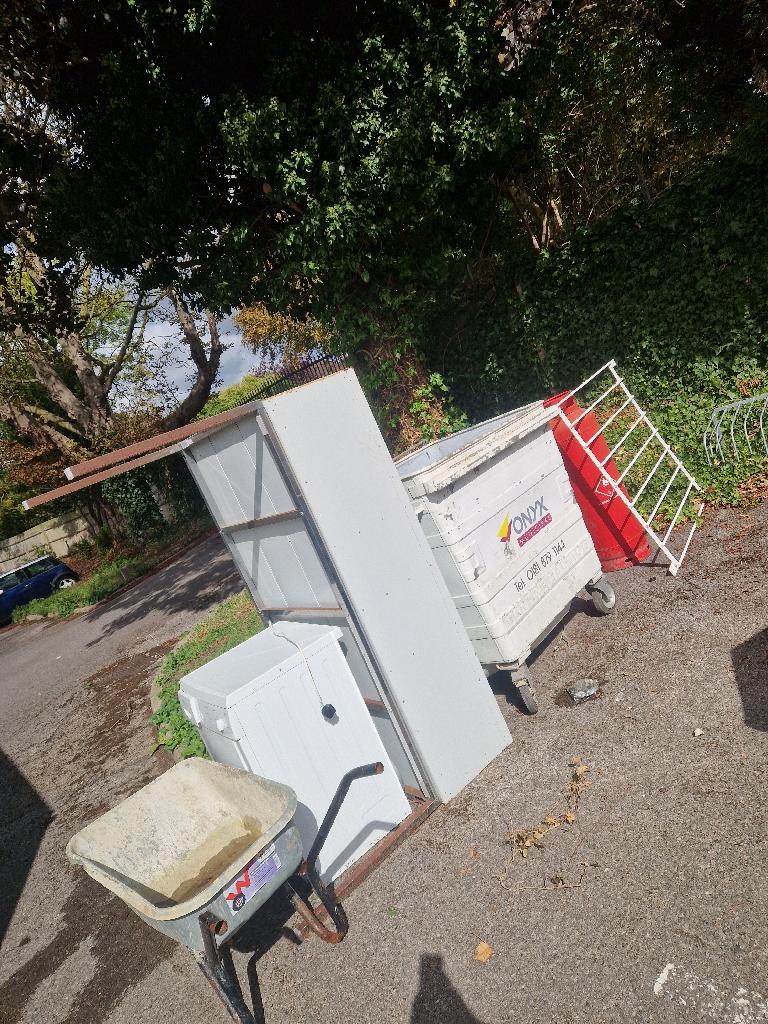
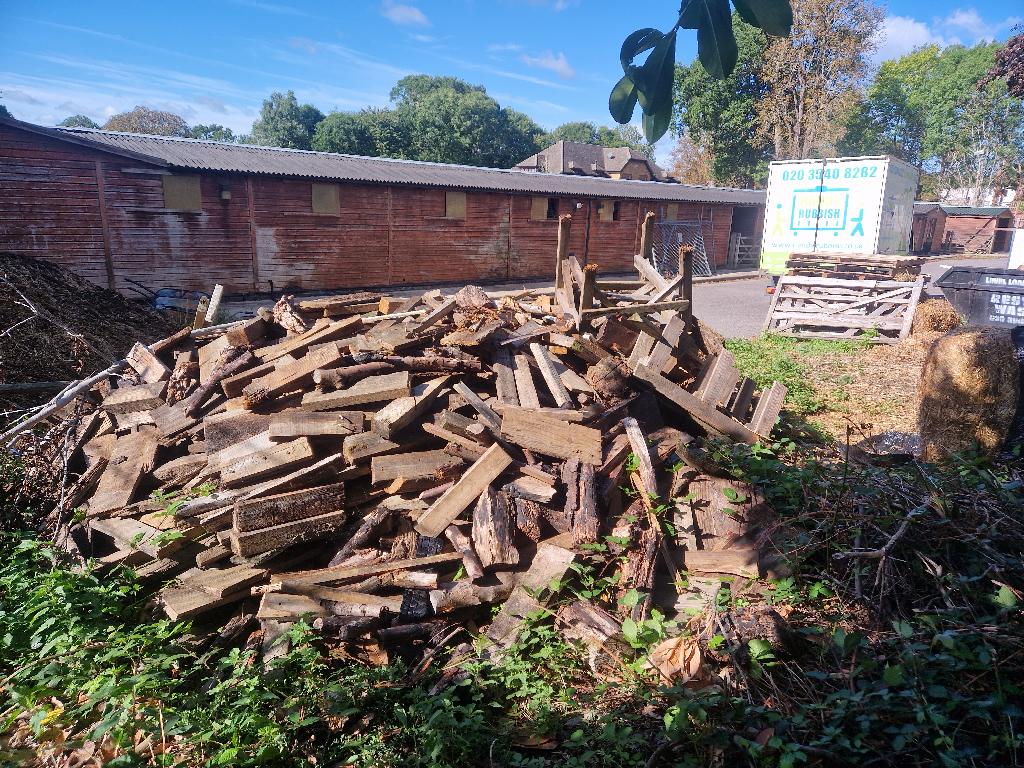
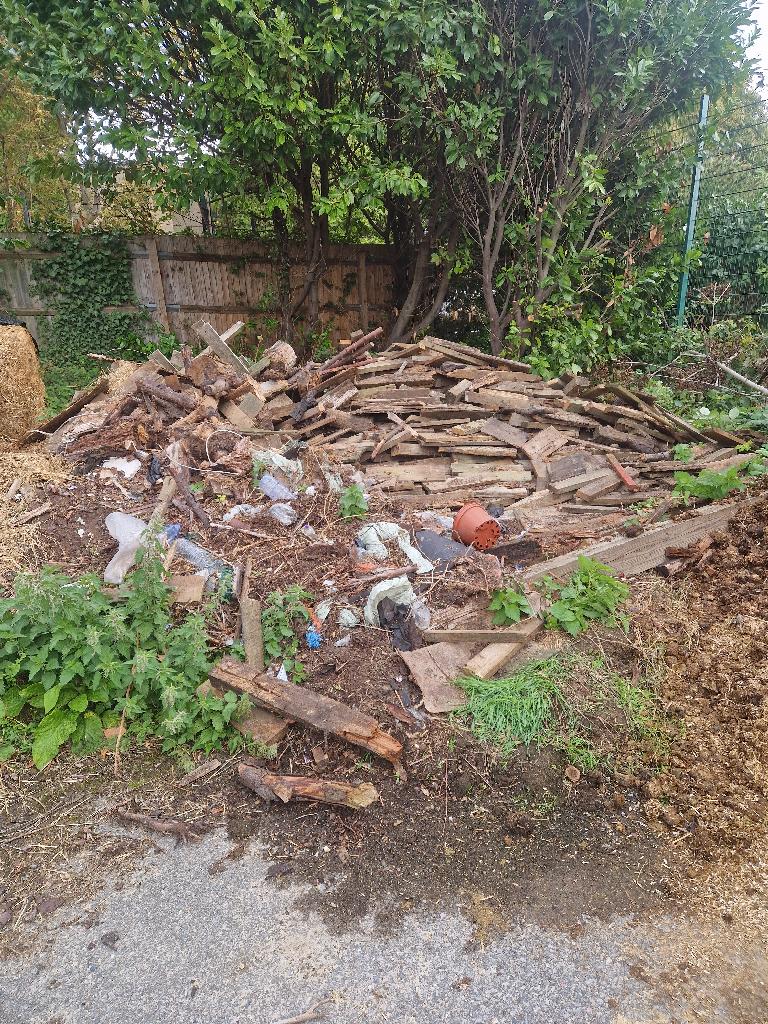
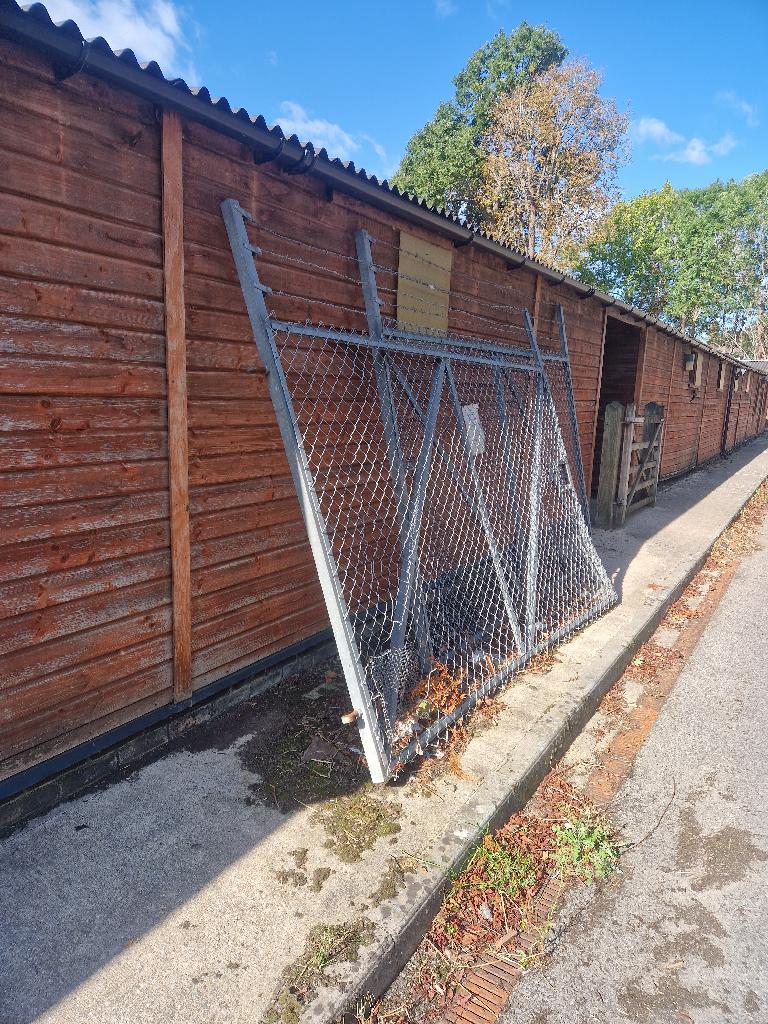
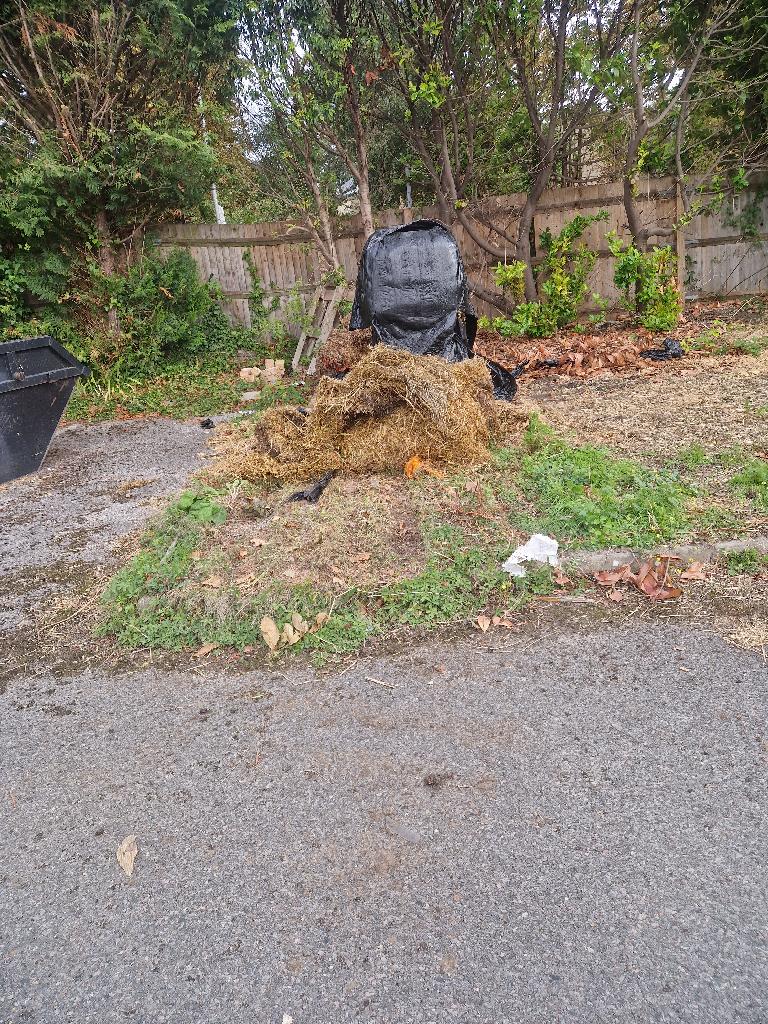
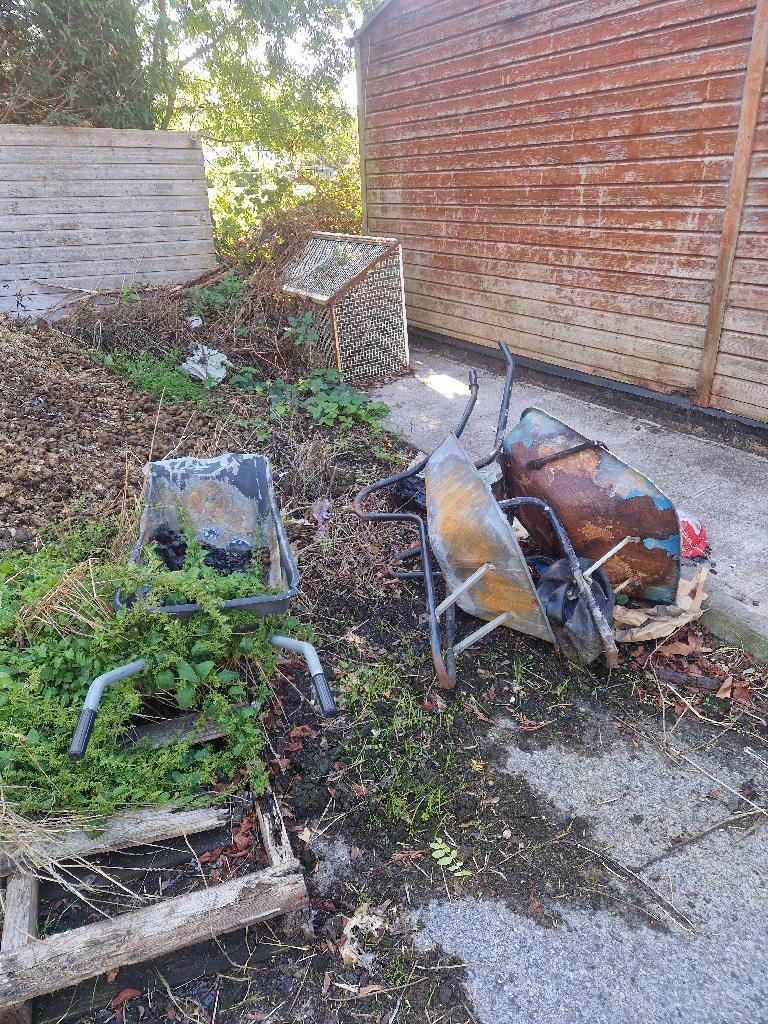
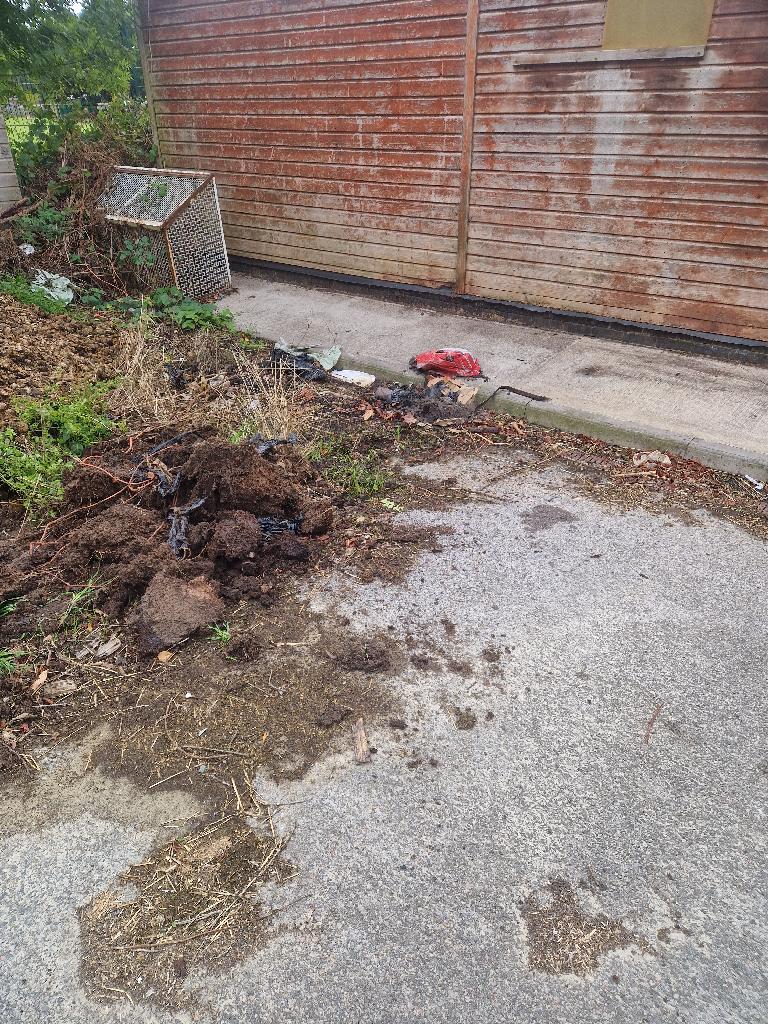
Garden and Yard Clearance in Putney
This job was documented from a verified historical job record published on houseclearance.co for a residential property in the Thamesfield ward of Putney, SW15 - a genuine local ward name that covers part of the area rather than a separate coverage zone. The job record supplied for this case study describes a garden and yard clearance in Putney where timber and garden waste had built up along a yard edge and around a boundary line, and the aim was to clear it fully, reduce the visual clutter, and leave the outdoor space usable again. What makes this case study worth reading is not that the job was unusual-it wasn't-but that it shows what a genuinely cluttered yard in Putney looks like before a clearance, and what a thorough one hour and thirty-eight minute visit can achieve. Anyone comparing options for house clearance in Putney can use this as a real reference point for what a yard clearance of this size involves.
The situation: The before images show a yard and perimeter area with a substantial build-up of waste. Loose timber and broken wood pieces had been stacked and spread around the garden edge, alongside general debris scattered directly on the ground near the path and boundary lines. The waste was not neatly contained in one place-it extended across the outdoor surface in a way that narrowed the usable walking route and made day-to-day access to the yard noticeably harder. Some images also show discolouration and residue on the ground where the material had been sitting for a while, which is a common sign of debris left in place too long. None of this is unusual for a garden and yard clearance of this kind, but it does mean the loose timber and mixed debris needed careful handling rather than a quick single sweep, since irregular pieces of wood do not stack uniformly and can snag or create sharp edges during loading.
How the clearance was carried out: The approach for this Putney job started with a review of the site layout and the route from the yard edges through to the collection point used for loading. Because bulky timber was present and the debris was spread across a wide area rather than concentrated in one spot, the work was planned in sections instead of a single all-at-once removal. Loose items were gathered first and consolidated into manageable groups, which matters when the waste includes irregular timber pieces, since letting the yard become further cluttered mid-job makes the remaining work harder rather than easier.
Work then moved outward from the more obstructive sections of the yard first, keeping a safe walking area clear throughout so movement around the site did not become difficult as loading continued. As the timber and garden waste moved off site, ground-level clutter near the boundary lines was addressed directly, with loose pieces collected and the yard edges cleared rather than left half-finished. A final cleanup stage followed the main removal, tidying visible residue and smaller fragments that tend to get left behind once the bulkiest pieces are already gone. That last step is part of what separates a genuinely complete garden and yard clearance from one that only clears the obvious pile and leaves the rest.
The whole visit was completed efficiently within the scheduled window, with the team working at a steady pace rather than rushing the handling of awkward timber and mixed debris. Keeping the yard passable throughout the job mattered as much as the removal itself, since a garden and yard clearance like this one is often judged as much on how tidy the process feels as on the final result.
The result: The after images show the yard in a markedly improved condition, with the bulk of the timber and garden waste removed from the outdoor surface. Where there had been clutter and scattered material along the boundary and the main clearance zone, the space now looks noticeably more open and practical, with a clearer path along the wall and reduced scattered waste across the ground. In practical terms, that means fewer trip hazards and easier everyday access, whether the yard is used for maintaining the garden, parking, or general outdoor tasks going forward. The comparison between the before and after photos confirms that the objective of the job was met: the accumulated timber and garden waste were removed and the outdoor area was restored to a genuinely more usable condition.
Every job on houseclearance.co is quoted on individually by licensed carriers - £490.00 was this job's agreed price, not a fixed rate for Putney or for garden and yard clearance generally.
How a house clearance typically works in Putney
The general process, not a fact about the case study above.
Work out what's staying and what's going
A Putney clearance generally begins with splitting things into what's staying in use, what's worth putting into storage, and what genuinely has to go-only that last group is what the carrier actually takes away, so working through the sort in advance speeds up the rest of the job, garden and yard clearances included.
Work to a fixed deadline where one applies
A handover date, a change of tenancy, or just wanting the outdoor space usable again for something else can put a firm deadline on a Putney yard or garden clearance, meaning the job has to be booked and finished within that window rather than left open-ended.
Sort before you clear
Anything staying on-site or being relocated within the garden tends to get moved clear of the working area first, so the carrier removes exactly what's meant to leave rather than making assumptions once they're standing in the yard.
Donation, recycling and responsible disposal
Once the timber and garden waste from a job like this one has left the yard, it doesn't all head to the same place: donation and recycling are considered ahead of landfill, with disposal kept as the last resort rather than the default.
Final check and handover
Once the yard has been emptied out, the carrier typically walks the space once more to make sure nothing's been overlooked and that the ground is genuinely clear again, ready for whatever comes next-planting, storage, or simply everyday use.
On the platform, this whole process starts the same way regardless of area: Post the job with your postcode and details, and compare quotes from licensed local carriers who cover Putney - there's never a single fixed price set by us.
Property types and access in Putney
What a carrier needs to know before pricing the job.
Property in Putney varies considerably depending on how close it sits to the river. Closer to Putney Bridge and the towpath, mansion blocks and newer riverside developments are common, often with a lift, a porter, or a managed entrance that a carrier will want to know about before quoting. Moving away from the water and into wards such as Thamesfield, the area is made up largely of Victorian and Edwardian conversions split into flats, alongside a number of houses with private gardens and yards, like the one in this case study, where house clearance in Putney jobs more often involve outdoor access rather than a managed building entrance.
Yard and garden clearances bring their own access considerations. Where waste has built up along a boundary line or a side yard, the team on site generally needs to plan the walk path between the waste and the collection vehicle before loading begins, since a narrow side access or a gate width can be as much of a constraint as the overall volume of debris being removed. This case study's vehicle and garden yard clearance setup is a good example of the kind of access carriers plan for when a job is based outdoors rather than inside a flat or house.
No single property type is inherently easier or harder to clear than another-what actually shapes a Putney quote is the combination of access and ground conditions alongside the sheer volume involved. Details like gate width, how far the collection vehicle can park from the yard, and any parking restriction on the street are worth including at the posting stage, since a carrier who has them in advance can quote more precisely than one left to assess the site cold on arrival.
What's typically included in a clearance
Household contents, garden waste and mixed debris, not a fixed list of categories.
Most clearances cover the general accumulation of furniture, boxed belongings, garden waste and bulky debris that builds up in a property, yard or garden over time, whether that's a riverside flat near Putney Bridge or a house with a private yard like the one in this case study. What drives the quote is usually the overall volume of material to be removed rather than the specific mix of categories-a yard full of loose timber and garden waste can take about as long to clear as a room full of household furniture, depending on access.
Timber, broken wood, pallets and general garden debris are a common mix in Putney yard and garden clearances, alongside loose material that accumulates around boundary lines and fences. Old carpets, curtains and general soft furnishings are usually included in household jobs alongside bulkier items, as is anything left behind by a previous occupant that isn't being kept by the current one. Describing the rough scale of the job-a single yard, a full garden, or an entire multi-room house clearance-helps a carrier judge volume before they even see photographs, and photographs on top of that description tend to sharpen the estimate further still.
Items that need special handling
Worth flagging when you post, not discovering on the day.
A few categories fall outside what a routine yard or garden clearance covers by default, so it's worth naming them when you post: paint, solvents and gas canisters count as hazardous waste; Putney's older sheds and outbuildings occasionally turn out to contain asbestos, which needs its own handling route; fridges and freezers must go through WEEE-compliant disposal because of the refrigerant gases inside them; and rubble, old fencing or timber offcuts from building work sit in a grey area-some carriers fold this into their clearance quote, others quote it as an extra.
Naming any of this when you first post the job gives a carrier the chance to line up the right disposal route beforehand, instead of needing to requote or leave things behind once they've already arrived at the yard. It takes little extra effort and typically saves time for both sides, since the right vehicle and equipment can be arranged from the start.
What affects your price
Real quotes, not a published rate card.
houseclearance.co doesn't set a fixed price for a house clearance in Putney-carriers quote on each job individually, and a number of practical factors shape those quotes:
- Overall volume of waste or contents to be removed
- Access-gate width, stairs, and distance to where the vehicle can park
- Parking or loading restrictions near the property, particularly close to the river
- Whether timber or bulky items need breaking down before removal
- Any specialist waste requiring separate handling
- Likely number of loads or vehicle trips
- How urgent the job is
None of these work as a fixed multiplier-they're simply the details that make one job take longer, or need more vehicle space, than another. The 98-minute duration and £490.00 price for this job reflect its particular scope and access conditions, not a rate that applies to every Putney garden and yard clearance. The more detail you include when you post, the less likely a quote is to shift once a carrier actually sees the yard or property.
Garden waste, timber and green disposal
Why yard clearances are sorted differently from indoor jobs.
Garden and yard waste is not treated the same way as ordinary household rubbish, which is part of what makes a job like this Putney clearance a slightly different exercise from clearing a room indoors. Loose timber and broken wood, like the pieces cleared from this yard, can often be recycled or chipped down rather than sent to landfill, but only if it's kept separate from general mixed waste rather than loaded in together. A carrier working a yard clearance is generally expected to split green waste-cuttings, foliage, soil and organic material-away from timber, rubble and other non-organic debris, since each stream has its own disposal or recycling route.
Side and rear access matters more for a garden or yard job than it does for most indoor rooms, because the whole load has to move along a path, through a gate, or round the side of the property before it ever reaches a vehicle. Where a yard is enclosed by fences or boundary walls, as in this case study, the practical limit on how quickly a job can move is often the width of the gate or the length of the route to the road, not just how much timber and debris needs to come out. Mentioning gate width and the distance from the waste to where a vehicle can park lets a carrier plan the number of trips needed before they arrive.
Broken or irregular timber, of the kind described in this job, also needs a bit more care during loading than it might first appear. Splintered edges and protruding nails are common in old fencing or stacked offcuts, so a carrier will usually check pieces over before stacking them for transport rather than grabbing everything in one motion. Where soil or mud has built up underneath stacked timber or debris, as is common when material has sat in one spot for a while, the ground beneath often needs a final sweep once the bulky items are gone, which is why a thorough yard clearance includes a cleanup pass rather than stopping once the largest pieces are removed.
Once collected, reusable timber can sometimes be salvaged rather than chipped or disposed of, depending on its condition, and general green waste is typically composted or processed at a dedicated green waste facility rather than going through a standard household waste stream. Flagging whether a yard or garden clearance is mostly timber, mostly green waste, or a mix of both-as it was here-helps a carrier judge which vehicle and disposal route the job actually needs.
Preparing for clearance day
A short checklist that helps the day run smoothly.
Once a quote has been accepted, a bit of preparation generally makes the visit itself faster and less stressful, particularly for a yard or garden clearance like the one in this case study, where access to the outdoor space matters as much as the volume of waste itself.
- Set aside anything being kept, clearly separated from what's being cleared
- Confirm parking or loading arrangements with the carrier in advance
- Let a neighbour or site contact know a clearance visit is happening if access runs past a shared boundary
- Flag any items needing special handling before the day itself
- Note any fixed deadline-moving date, handover date, or a change of use for the space
- Decide who will be present, or nominate a contact to give access
- Clear a walk path in advance if the yard is particularly congested
If you won't be around for the full visit, agreeing access with the carrier in advance keeps things straightforward once they turn up. It's especially relevant for probate clearances, where the person handling the job is often managing it from outside Putney entirely.
Responsible disposal
Reuse and recycling before anything goes to landfill.
A carrier working a Putney yard or garden job is expected to separate items as the space is cleared rather than treating the whole load as one destination. Furniture and household goods still in decent condition generally go to local charities or reuse schemes, metal, wood and other recyclable material gets pulled out, and only what's genuinely unusable or unrecyclable goes to landfill. How this is split can vary a little between carriers, so ask outright if it matters to you when comparing quotes. See responsible disposal for more on how this is expected to work across the platform.
More generally, anyone planning a similar clearance in Putney may wish to start with the job request form and post the job with as much detail as possible-property or yard type, access, gate width, and anything needing special handling-before comparing quotes from licensed waste carriers covering the area. It's the same process regardless of whether the job is a household clearance, a garden clear-out, a probate clearance or a straightforward end-of-tenancy handover.
Questions about house clearance
Common questions, answered generally rather than for this one example.
Was this a real completed job?
Yes. The 98-minute visit, the £490.00 price and the before-and-after photos above all come from Job Ref: 107, a verified historical record of a garden and yard clearance carried out in Putney (SW15) and supplied to houseclearance.co for publication as a genuine example rather than a made-up scenario.
How much does a job like this typically cost?
This particular job cost £490.00 for 98 minutes of work clearing timber and garden waste from a residential yard. That price reflects this job's specific scope and access conditions rather than a fixed rate-every job on the platform is quoted on individually, so get a price estimate for your own situation.
Does houseclearance.co cover all of Putney, including Thamesfield?
Yes. Thamesfield, where this case study's job took place, is one ward within Putney, and Putney as a whole sits inside the broader Wandsworth carrier network-so no matter which part of Putney your property or yard is in, you can post the job and nearby licensed carriers will be able to quote on it.
Can a carrier clear a yard or garden, not just the inside of a property?
Yes-the Putney job in this case study is a direct example. Outdoor spaces like yards and gardens are handled by the same carriers who take on flats and houses, and the planning step is identical either way: work out the route from the waste to the collection vehicle before any loading starts.
How does the quotation process actually work?
Post the job with your postcode and access details. Licensed carriers covering Putney review the listing and submit quotes, and you choose whichever offer suits your budget and timeline-or none at all, if nothing fits.
What happens to the waste once it's collected?
The carrier sorts material as the yard is cleared rather than loading it all as one mixed batch. Items still in usable condition go to a local charity or reuse scheme, recyclable material such as timber gets separated out, and only what's genuinely beyond reuse or recycling ends up as landfill waste.
Is parking likely to be an issue on the day?
Possibly-Thamesfield and other streets nearer the river tend to carry controlled parking zones or loading restrictions that can slow a vehicle down. Flagging these when you post the job means the carrier can build the loading window into their plan up front instead of working it out after they've arrived.
Can I request a same-day or short-notice clearance?
That depends on which carriers happen to have room in their schedule near your Putney postcode at the time you post. Same-day and short-notice jobs are possible, but fewer carriers can realistically fit them in, so it pays to post as soon as you're aware of the job even under pressure.
Dealing with a house clearance in Putney?
Post the job and compare quotes from licensed carriers.
Get my priceRead about house clearance coverage in Putney, or see more case studies.