
✅ Real completed job. This case study documents a genuine completed clearance job using a verified historical job record (Job Ref: 104) provided for publication on houseclearance.co - the photos, description and figures below are real, not illustrative.
The case study: household utility area clearance in Richmond
Before and after photos from a genuine completed clearance job documented in a verified historical job record.
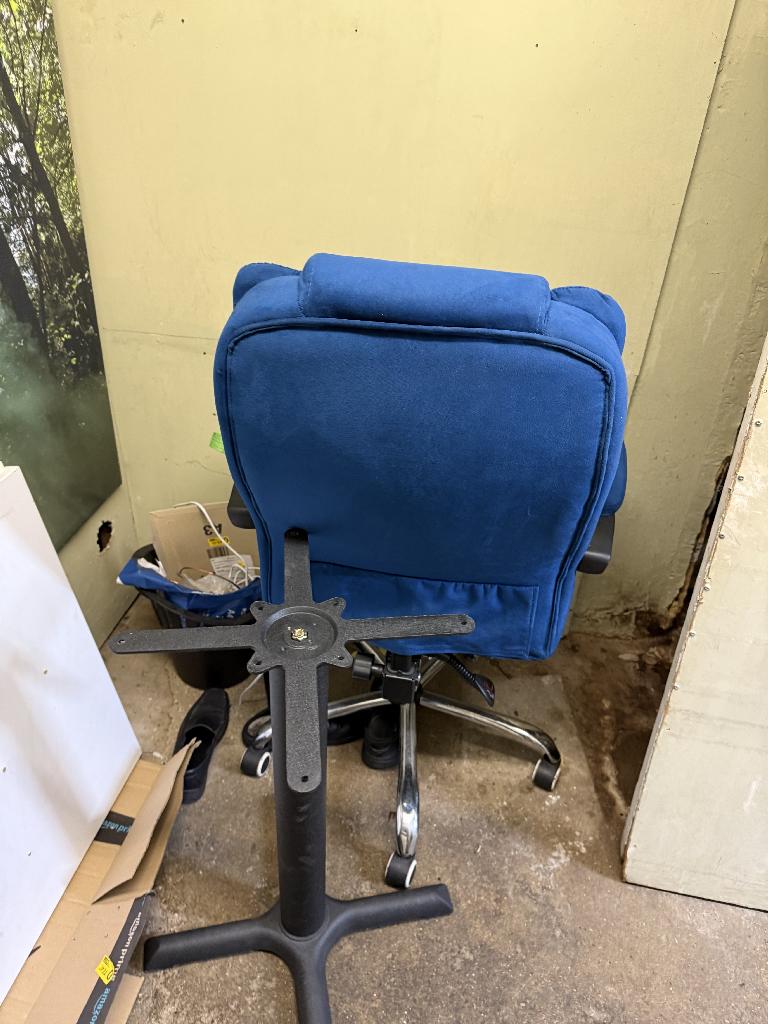
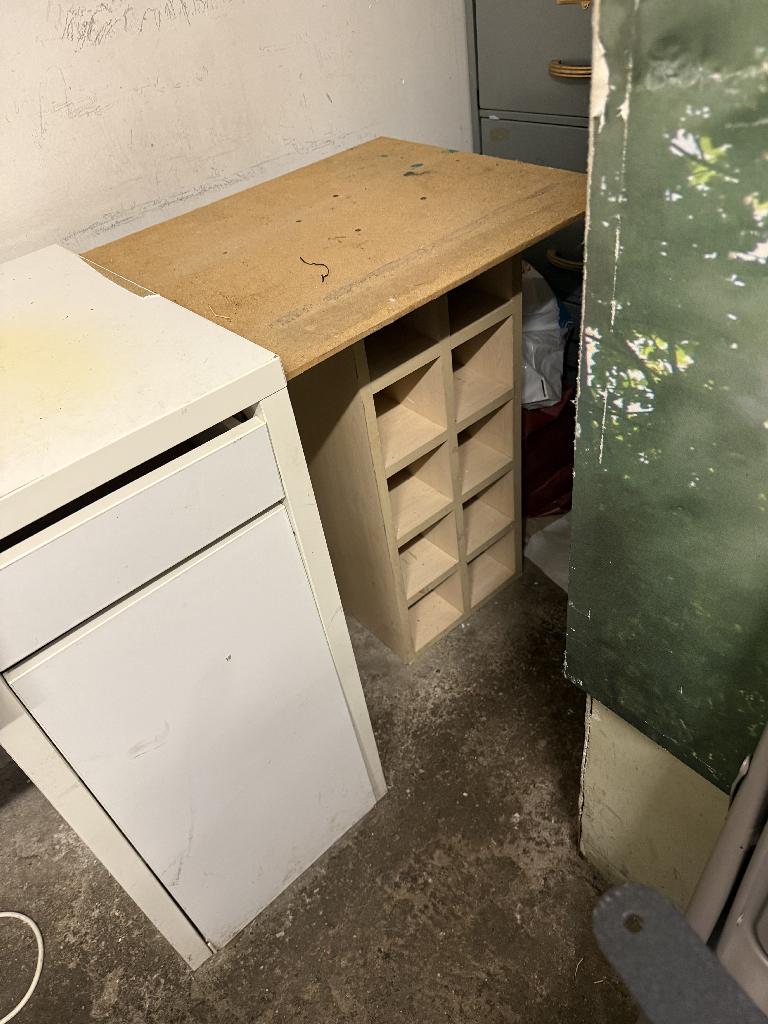
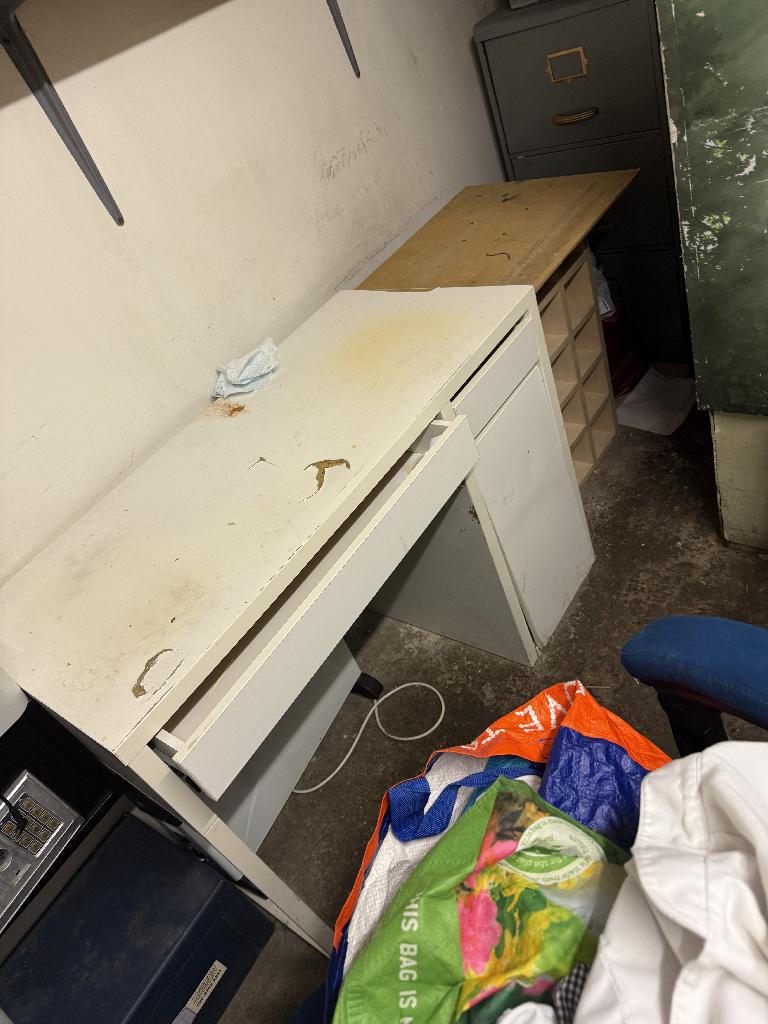
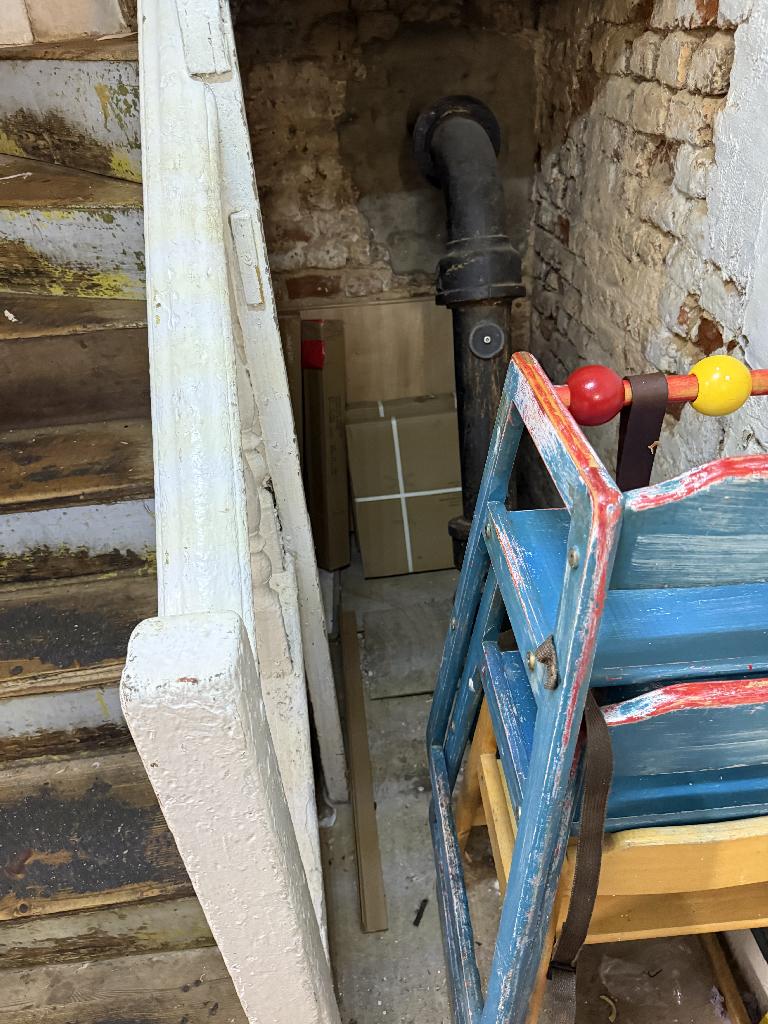
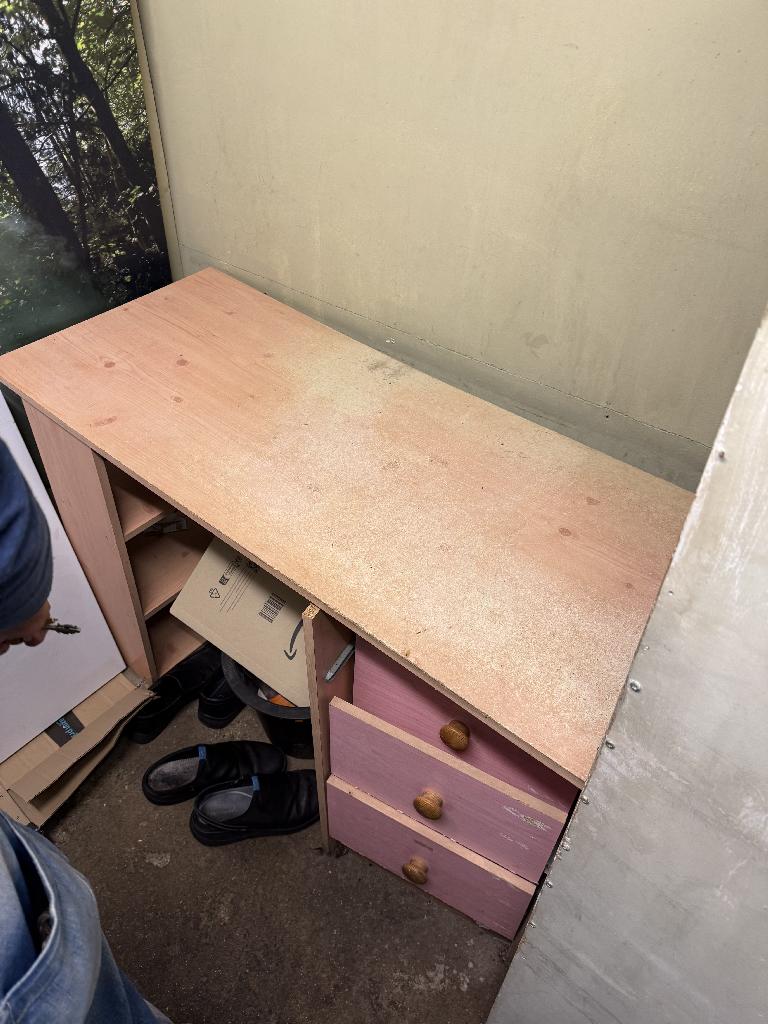
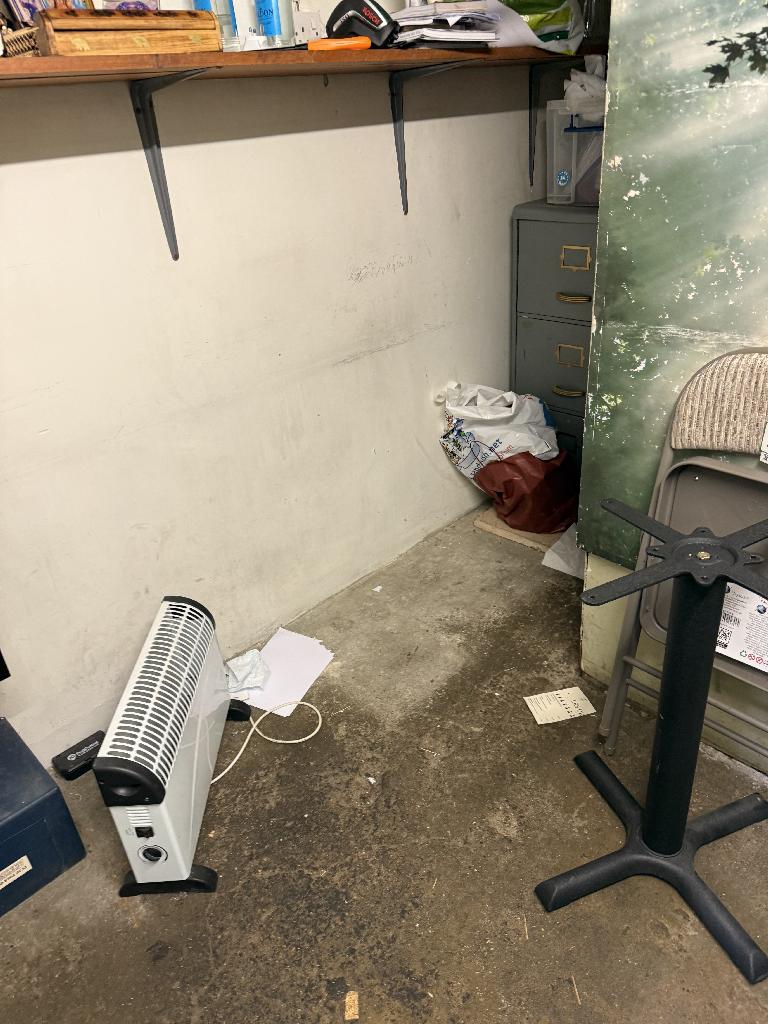
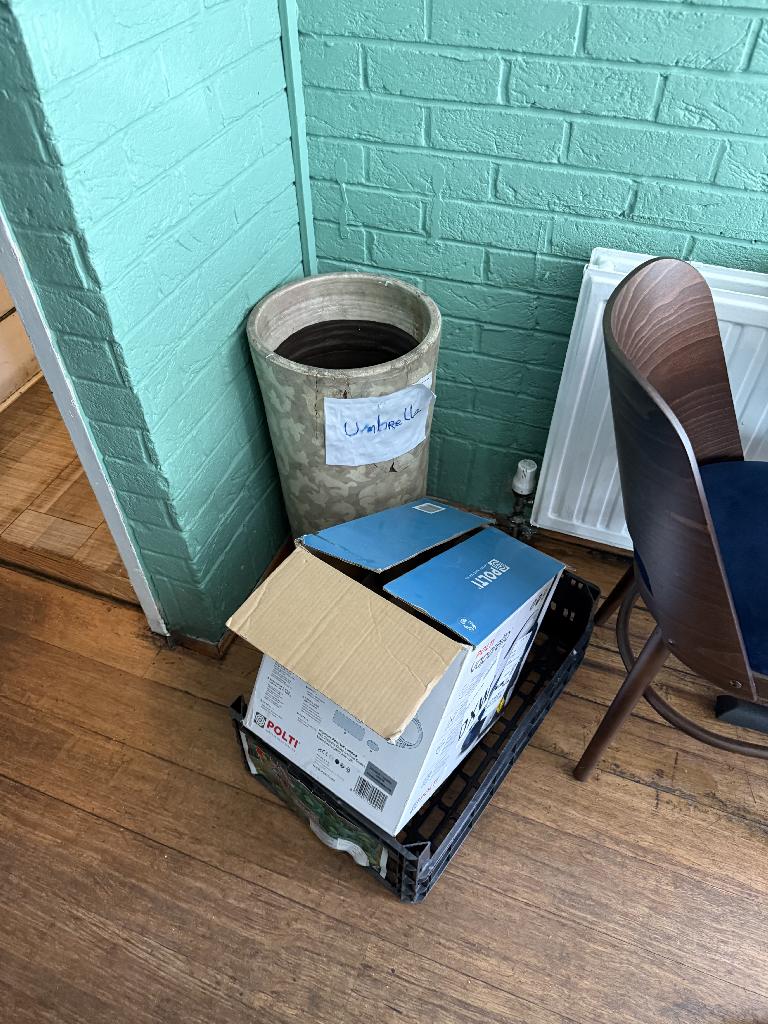
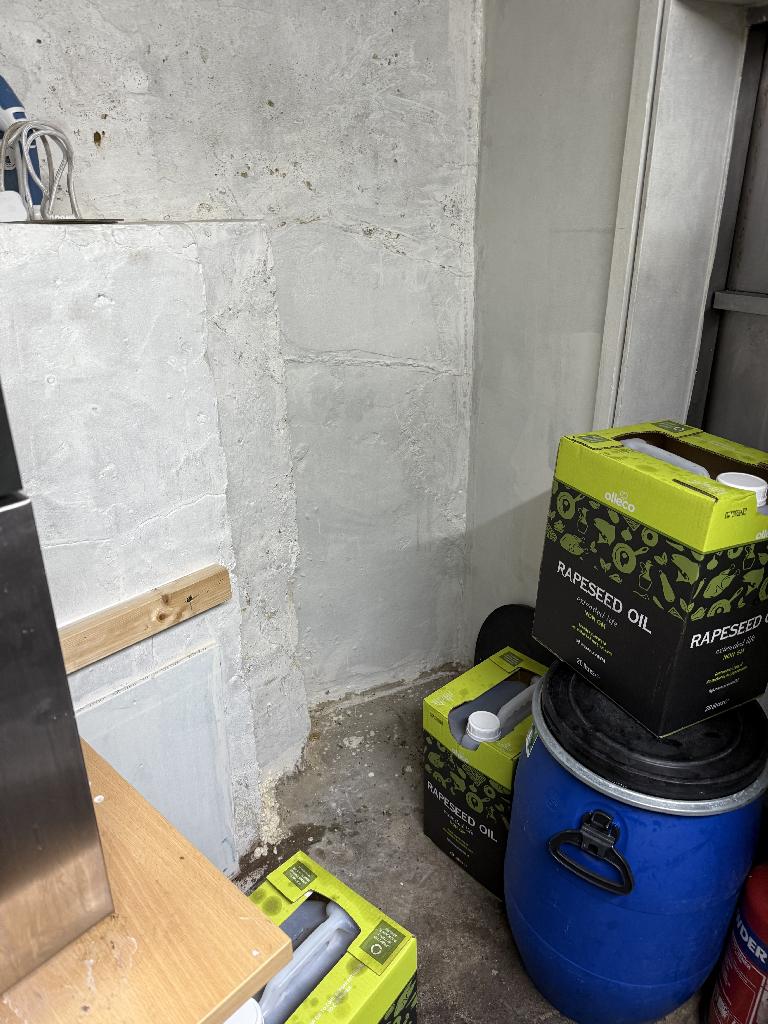
Household Utility Area Clearance in Richmond (South Richmond, TW10)
When clutter builds up in a utility area, it does more than look untidy - it reduces usable space, makes everyday movement harder, and can slow down work around the property. In this job, based in the South Richmond part of TW10, the carrier was asked to clear a tight indoor utility area where storage furniture, shelving and cabinetry had become surrounded by loose bags and general household waste over time, starting to block pathways and storage. The goal was simple: remove the unwanted material, manage it responsibly, and leave the room ready for normal use again. This is a genuine house clearance in Richmond case study, not an illustrative scenario - the photos, duration and price below come directly from the completed job record.
The situation: Before the clearance, the utility area felt cluttered and constrained. Several waste items were grouped around storage furniture, shelving and cabinetry, including loose bags and general household waste on the floor. In one part of the space, waste had accumulated in and around a corner and along the wall line, with items sitting near floor surfaces and near the shelving and cabinetry. In another section, there was a mix of boxed and bagged material that needed careful handling because the area wasn't open-plan; it was a working corner with limited manoeuvring room. The floor area wasn't fully accessible, and the available space was effectively reduced by the sheer volume of unwanted items. For this household utility area clearance in Richmond, the waste mix was general household clutter accumulated around storage furniture and cabinetry, as shown across the before photographs above.
Because the property layout was compact, access and staging mattered. Even when the total job time is relatively short, a crowded space requires methodical movement to avoid damage to surrounding items and to keep the area controlled while waste is lifted, bagged and removed. The carrier also needed to make sure loose waste didn't get spread around during the collection process. With that in mind, the clearance was planned around keeping clear walkways through the room, working from the back areas forward, and keeping materials organised for efficient disposal.
How the clearance was carried out: The carrier arrived prepared for a fast, professional turnaround. The job duration recorded for this clearance was 19 minutes, which meant the work had to be efficient while still taking the necessary care around the storage furniture, shelving and cabinetry in the room. The process followed a clear sequence, so items were removed without hesitation and without leaving waste behind.
Loading and on-site organisation came first: the carrier assessed the space and identified the easiest lift points and carry routes, then staged items for removal so that each lift-and-carry movement didn't require rework. Where bagged items were present, they were kept contained so loose debris wouldn't scatter. Next came sorting for responsible handling - even within a short service window, mixed household waste needs a sensible sort, and the carrier separated materials as they were removed, working carefully around the fixed shelving and cabinetry that remained in place.
Work then continued through a controlled removal route, moving from the most obstructed zones toward the open access point, with items lifted carefully to avoid scraping surrounding surfaces. Once the main waste blocks were removed, a cleanup and final check followed to remove remaining debris and confirm the floor and accessible surfaces were left clear - a step that matters because it confirms the space is genuinely ready to use again, not merely emptied.
The result: After the 19-minute clearance, the transformation in the utility area was clear. Areas that had previously been blocked by mixed waste were opened up, with floor space visible again and a much more usable layout. Instead of cluttered corners and piles around the storage furniture and cabinetry, the room was left with a clear pathway and clean surfaces. The after photographs above show the difference: open floor areas, reduced obstruction near the walls and storage points, and an overall tidy appearance that makes the space easier to navigate and maintain.
Every job on houseclearance.co is quoted on individually by licensed carriers - £200.00 was this job's agreed price, not a fixed rate for Richmond or for rubbish removal generally.
How a house clearance typically works in Richmond
The general process, not a fact about the case study above.
Work out what's staying and what's going
Before a carrier ever arrives, it's worth splitting the contents into three piles in your head: what stays in daily use, what's worth keeping but storing elsewhere, and what genuinely has to leave. A carrier only removes that third pile, so doing this sort first - even for a tight utility corner like the one in this job - saves time on the day compared with deciding room by room while they wait.
Work to a fixed deadline where one applies
Not every clearance can slot in whenever it suits - a tenancy change, a completion date, or simply wanting a utility area usable again for storage often forces the booking into a fixed, narrow window rather than leaving it open-ended.
Sort before you clear
Items due to stay, or move somewhere else in the property, get pulled out of the pile first. That way the carrier is working from a confirmed list of what's actually leaving rather than having to ask on arrival what's staying and what isn't.
Donation, recycling and responsible disposal
Items left behind after this kind of clearance don't all end up in the same place: donation and recycling come first wherever possible, and landfill is only the last resort once those routes have been ruled out.
Final check and handover
With the last load out, a walk-through confirms nothing's been missed and that the floor area is properly clear - in this job, that meant the utility corner being fully accessible again rather than just visibly tidier.
On the platform, this whole process starts the same way regardless of area: Post the job with your postcode and details, and compare quotes from licensed local carriers who cover Richmond - there's never a single fixed price set by us.
Property types and access in Richmond
What a carrier needs to know before pricing the job.
Richmond covers a wide mix of housing, from Georgian and Victorian terraces close to the town centre and the river, through to interwar semis and purpose-built flats further out towards South Richmond and the borough boundary near TW10. A house clearance in Richmond can mean dealing with a period property that has been converted into flats, a family house with a garden and outbuildings, or - as in this case study - a compact utility area where access is genuinely tight. None of these layouts is harder to clear in principle than another, but they do change how a carrier plans the job, which is why floor level, lift access and the route to the road are usually asked about before a quote is confirmed rather than after.
Utility rooms and internal storage corners, like the one in this case study, bring their own access considerations. Where a clearance is happening inside a tight working corner rather than an open room, the carrier generally needs to plan the walk path between the waste and the collection point before loading begins. It's worth mentioning whether waste sits indoors, outdoors, or across both when posting a job - mentioning stairs, lift availability and distance to where a vehicle can park tends to produce a more accurate quote than leaving carriers to work it out on arrival.
What's typically included in a clearance
Household contents and mixed waste, not a fixed list of categories.
Most clearances cover the general accumulation of furniture, boxed belongings and mixed household waste that builds up in a property or utility space over time, whether that's a full house near the river or a compact corner like the one in this case study. What drives the quote is usually the overall volume of contents to be removed rather than the specific mix of categories - a corner full of bagged waste can take about as long to clear as one with heavier items, depending on access.
Bagged household rubbish, boxed items and general clutter around storage furniture, shelving and cabinetry are a common mix in Richmond utility-area clearances, alongside furniture components that accumulate around the bulkier items. Old carpets, curtains and general soft furnishings are usually included in household jobs alongside the bulkier items, as is anything left behind by a previous occupant that isn't being kept by the current one. Describing the rough scale of the job - a single corner, a full utility area, or an entire multi-floor house clearance - helps a carrier judge volume before they even see photographs, and photographs on top of that description tend to sharpen the estimate further still.
Items that need special handling
Worth flagging when you post, not discovering on the day.
A short list of items sits outside a routine clearance and generally needs mentioning upfront: electrical items, which require WEEE-compliant handling because of the components they contain; hazardous materials such as paint tins, solvents and gas canisters; anything suspected of containing asbestos, which can occasionally turn up in older Richmond properties; large fridges and freezers, which also fall under WEEE rules because of the refrigerant gases they contain; and garden waste such as soil, turf or larger branches, which some carriers include within a clearance quote and others price separately.
Mentioning any of these when you post gives a carrier the chance to turn up already equipped for them, rather than pausing the job to requote or simply skipping the item on the day. It costs nothing extra to mention it in advance, and it usually means the visit runs straight through without a mid-job phone call.
What affects your price
Real quotes, not a published rate card.
houseclearance.co doesn't set a fixed price for a house clearance in Richmond - carriers quote on each job individually, and a number of practical factors shape those quotes:
- Overall volume of contents to be removed
- Access - stairs, lift availability, and distance to where the vehicle can park
- Parking or loading restrictions near the property
- Whether furniture or bulky components need dismantling before removal
- Any specialist waste requiring separate handling, such as electrical items
- Likely number of loads or vehicle trips
- How urgent the job is
None of these works as a fixed multiplier - they're simply the details that make one job take longer, or need more vehicle space, than another. The 19-minute duration and £200.00 price for this job reflect its particular scope and access conditions, not a rate that applies to every Richmond rubbish removal. The more detail you include when you post, the less likely a quote is to shift once a carrier actually sees the space.
Working in a tight utility corner
Why a compact working space changes how a job is planned, even a short one.
A utility area is rarely built with clearance access in mind - it's a functional corner, often the last space in a property to get planned around, sandwiched between fixed shelving, cabinetry and whatever storage furniture has accumulated there over time. The before photos from this Richmond job show exactly that pattern: waste stacked around a cabinet corner, bagged rubbish sitting beside kitchen cabinetry, and clutter jammed under a cabinet in a tight spot with limited manoeuvring room. In a space like this, the constraint isn't the volume of waste so much as the working room around it - there's no wide-open floor to stage items in before carrying them out, so a carrier has to plan a lift-and-carry sequence that works within whatever gap actually exists between the fixed fittings.
Fixed shelving and cabinetry that's staying in place, as in this case study, adds a further layer of care on top of the removal itself. Waste has to be lifted clear without scraping cabinet edges or catching on shelf brackets, and where boxed or bagged material has been pushed right up against a cabinet corner, it often needs to be worked loose carefully rather than pulled straight out, to avoid disturbing anything mounted nearby. This is part of why even a fast job - this one finished in 19 minutes - still benefits from a short assessment first: identifying which direction items can safely come out of a tight corner before any lifting starts, rather than working it out mid-carry.
Working from the back of the space forward
For a compact utility area, carriers commonly clear from the most obstructed point back towards the open access route, rather than starting nearest the door and working inward. That sequencing keeps a clear route open behind the worker at all times, which matters in a tight corner where there's no room to reroute around an obstacle discovered partway through. It also reduces the risk of loose bagged waste getting knocked or split open while squeezing past other items still waiting to be moved.
What to mention if your utility area is similarly tight
Anyone posting a similar job benefits from describing not just what's in the utility area but how much working room actually surrounds it - whether it's a genuinely tight corner with fixed fittings staying in place, or a more open utility room where a carrier has space to stage items before carrying them out. That detail helps a carrier judge whether the job needs a particularly careful, incremental approach or can be cleared in more of a single continuous sweep.
Preparing for clearance day
A short checklist that helps the day run smoothly.
A compact utility area or tight corner - the kind of space cleared in this case study - tends to reward a little advance preparation once a quote is accepted, since it leaves the carrier less to work out on the day and the visit itself runs faster as a result.
- Set aside anything being kept, clearly separated from what's being cleared
- Confirm parking or loading arrangements with the carrier in advance
- Let a household member or site contact know a clearance visit is happening
- Flag any items needing special handling, such as electrical waste, before the day itself
- Note any fixed deadline - moving date, handover date, or a change of use for the space
- Decide who will be present, or nominate a contact to give access
- Clear a walk path in advance if the area is particularly congested
If you won't be around for the whole visit, sort out access and a point of contact with the carrier beforehand rather than leaving it to chance - this comes up especially often on probate jobs, where whoever's arranging the clearance is frequently based some distance from Richmond.
Responsible disposal
Reuse and recycling before anything goes to landfill.
A single skip-it-all approach isn't what's expected on the platform: furniture and household goods still in usable condition are meant to go to local charities or reuse schemes first, metal, wood and electricals get pulled out for recycling, and only the genuine leftovers are meant for landfill. How closely this is followed can vary a little carrier to carrier, so ask directly if it's a factor in choosing a quote. See responsible disposal for more on how this is expected to work across the platform.
More generally, anyone planning a similar clearance in Richmond may wish to start with the job request form and post the job with as much detail as possible - property or utility-area type, access, floor level, and anything needing special handling - before comparing quotes from licensed waste carriers covering the area. It's the same process regardless of whether the job is a household clearance, a garden clear-out, a probate clearance or a straightforward end-of-tenancy handover.
Questions about house clearance
Common questions, answered generally rather than for this one example.
Was this a real completed job?
Yes. Job Ref: 104 is a verified historical job record from a household utility area clearance actually carried out in Richmond (TW10), and houseclearance.co has published it here with the same photos, duration and price the carrier recorded at the time - nothing in this case study is a made-up example.
How much does a job like this typically cost?
This particular job cost £200.00 for 19 minutes of work clearing storage furniture, shelving and cabinetry clutter from an internal utility area. That price reflects this job's specific scope and access conditions rather than a fixed rate - every job on the platform is quoted on individually, so get a price estimate for your own situation.
Does houseclearance.co cover all of Richmond, including South Richmond?
Yes. South Richmond, along with the rest of the TW9 and TW10 postcode districts, is covered as part of the wider Richmond upon Thames carrier network, so wherever your property sits within the area, you can post a job and licensed carriers with capacity nearby can quote on it.
Can a carrier clear a utility area, not just a home's main rooms?
Yes - this case study is exactly that kind of job. Carriers on the platform handle utility areas, side passages, gardens and driveways as well as living spaces and bedrooms, and access is planned the same way: assess the route to the collection point before loading begins.
How does the quotation process actually work?
Post the job with your postcode and access details. Licensed carriers covering Richmond review the listing and submit quotes, and you choose whichever offer suits your budget and timeline - or none at all, if nothing fits.
What happens to household waste once it's collected?
It gets separated rather than tipped straight into one load: usable furniture and goods generally go to charities or reuse schemes, recyclables like metal and wood are set aside, and landfill only takes whatever's left with nowhere else to go.
Is parking likely to be an issue on the day?
Possibly - South Richmond's residential streets often come with controlled parking zones or only limited space to load, and a job like this one, based in that part of TW10, is no exception. Flag any restriction you're aware of when posting so the carrier can build the right loading window into their plan instead of losing time working it out on arrival.
Can I request a same-day or short-notice clearance?
Availability near your postcode on the day is what decides it, not a blanket yes or no. Short-notice requests are possible, but fewer carriers can realistically fit one in, so posting the job as soon as you know is worth doing even when the deadline is tight.
Dealing with a house clearance in Richmond?
Post the job and compare quotes from licensed carriers.
Get my priceRead about house clearance coverage in Richmond, or see more case studies.