
✅ Real completed job. This case study documents a genuine completed clearance job using a verified historical job record (Job Ref: 273) provided for publication on houseclearance.co - the photos, description and figures below are real, not illustrative.
The case study: internal household clearance in Clapham
Before and after photos from a genuine completed clearance job documented in a verified historical job record.
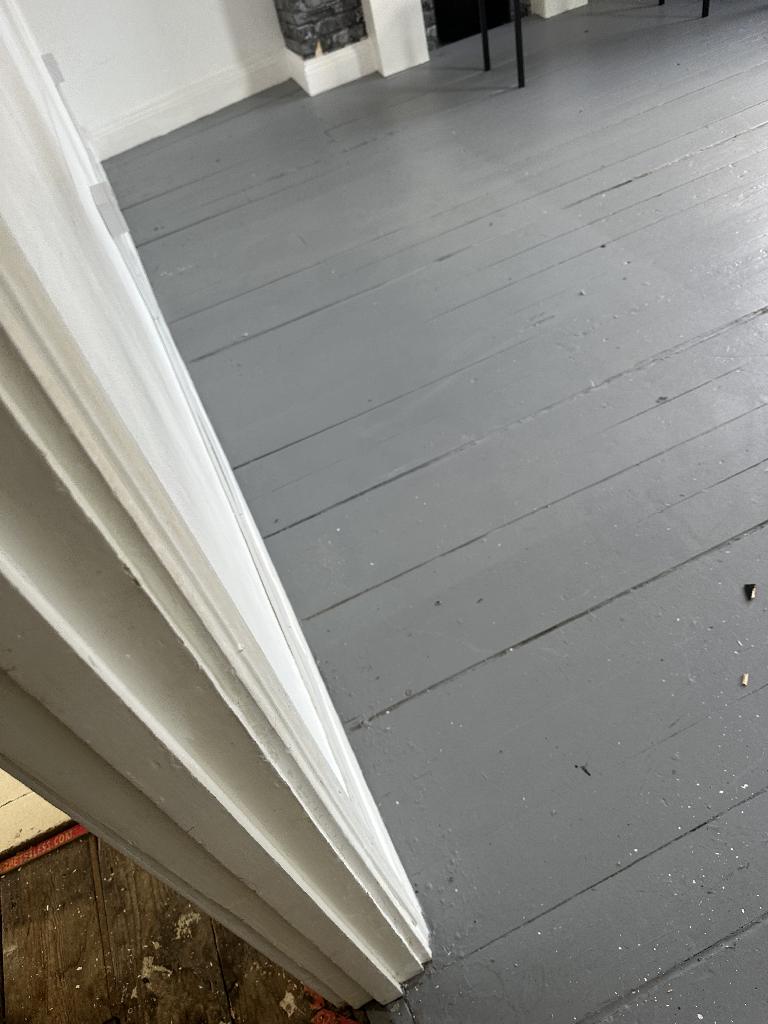
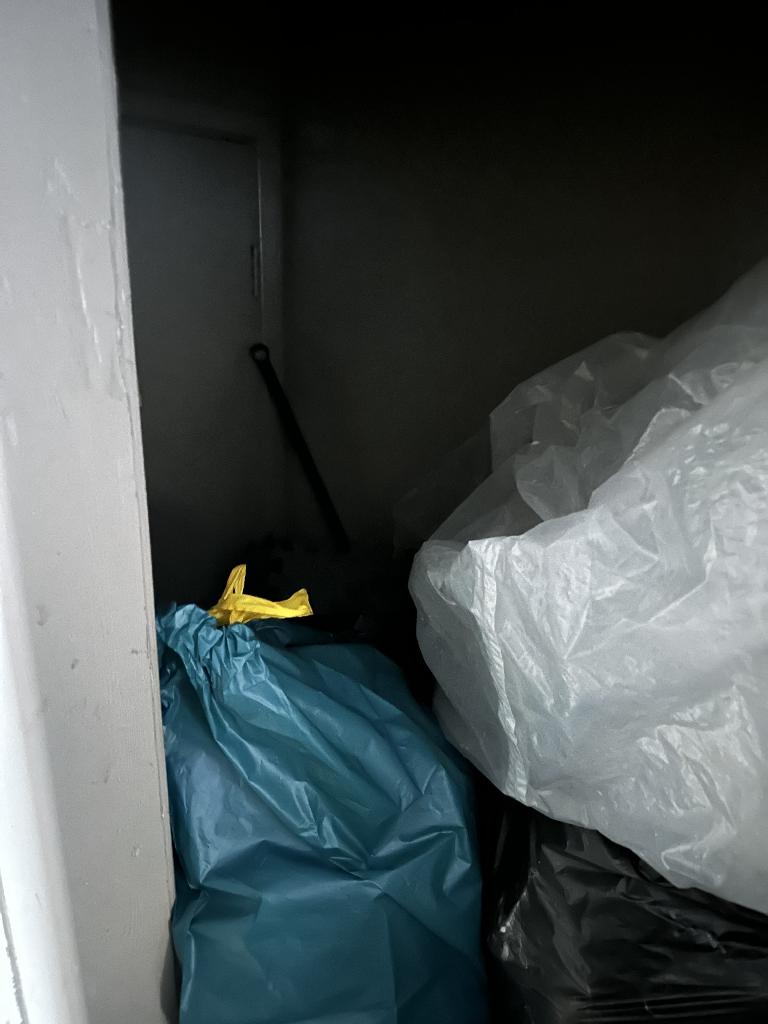
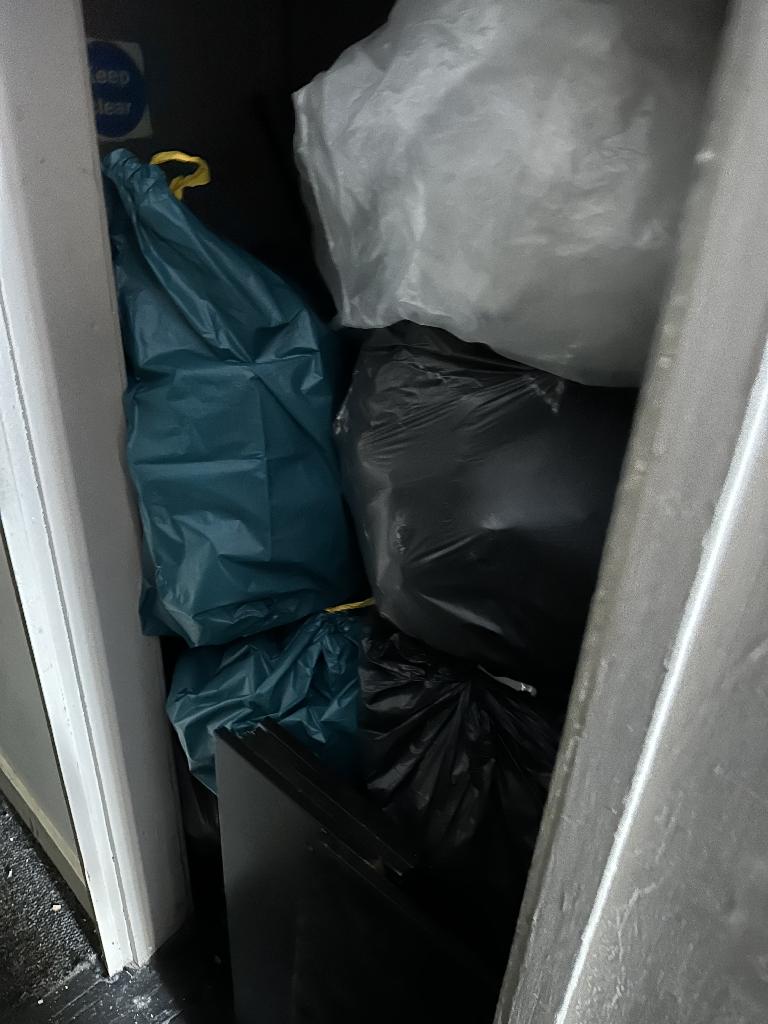
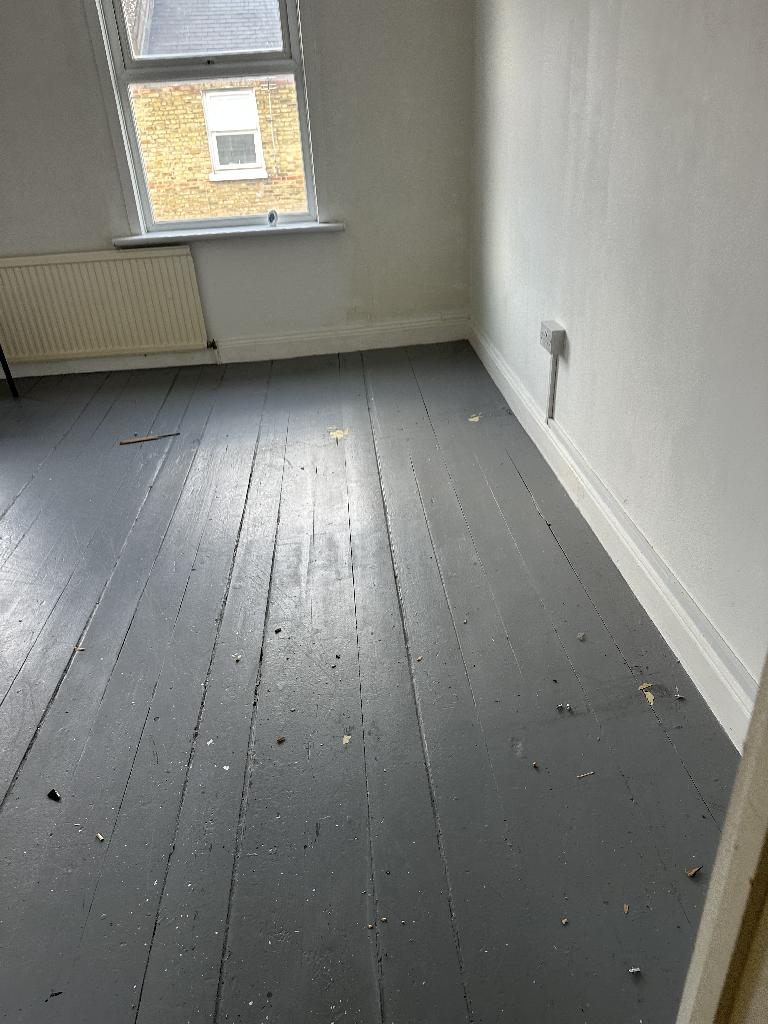
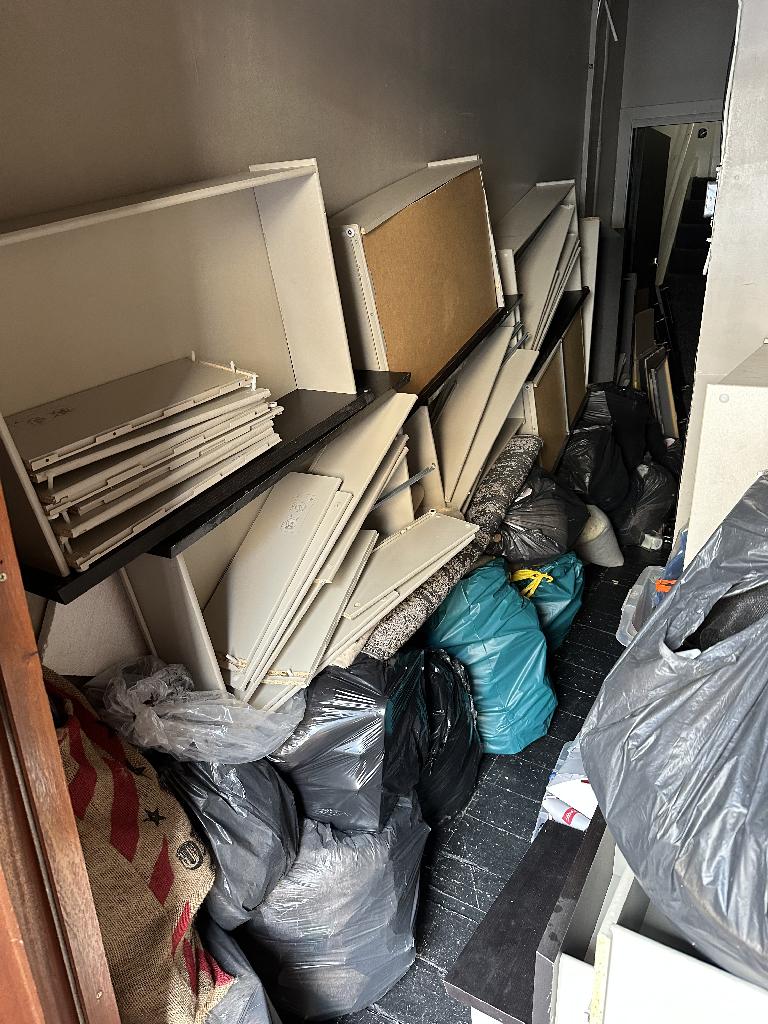
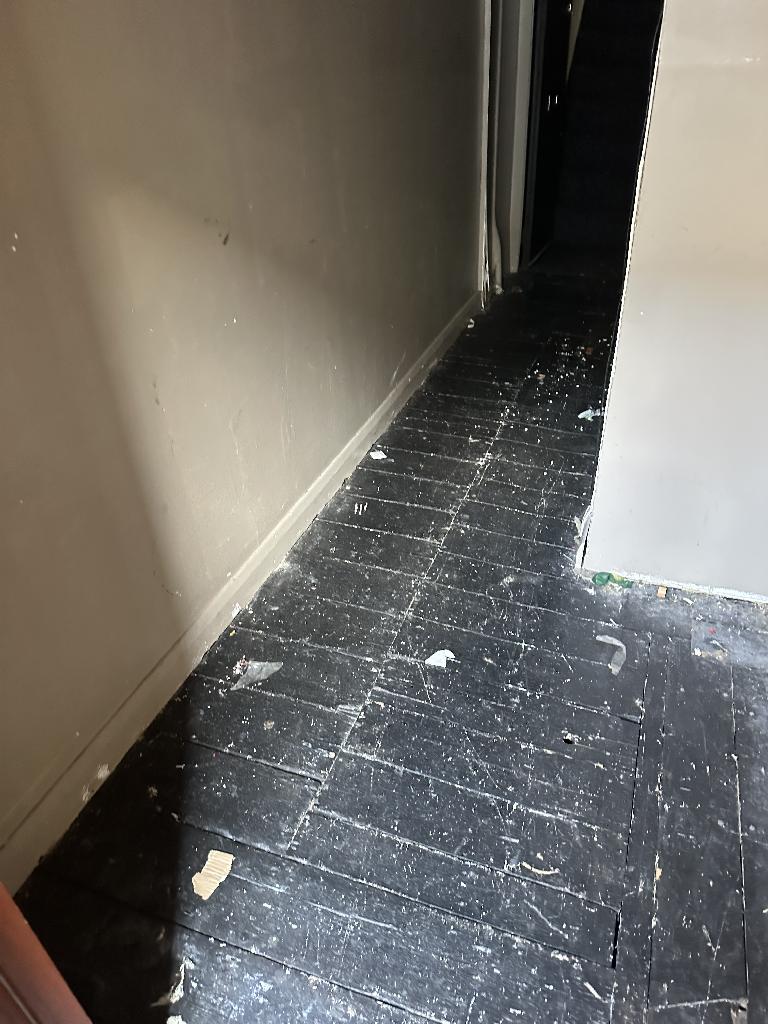
Internal Household Clearance in Clapham
When an internal space fills with unwanted items, it can quickly stop feeling like a helpful part of a home and start becoming a daily obstacle. This job was an internal household clearance in Clapham, part of the wider house clearance in Clapham the platform covers, documented from a verified historical job record published on houseclearance.co and involving a mixed waste clearance designed to remove the clutter safely and restore clear movement around the property. The approach taken by the carrier focused on doing the work properly from the first load to the final check, so the space was not just emptied, but left ready to use.
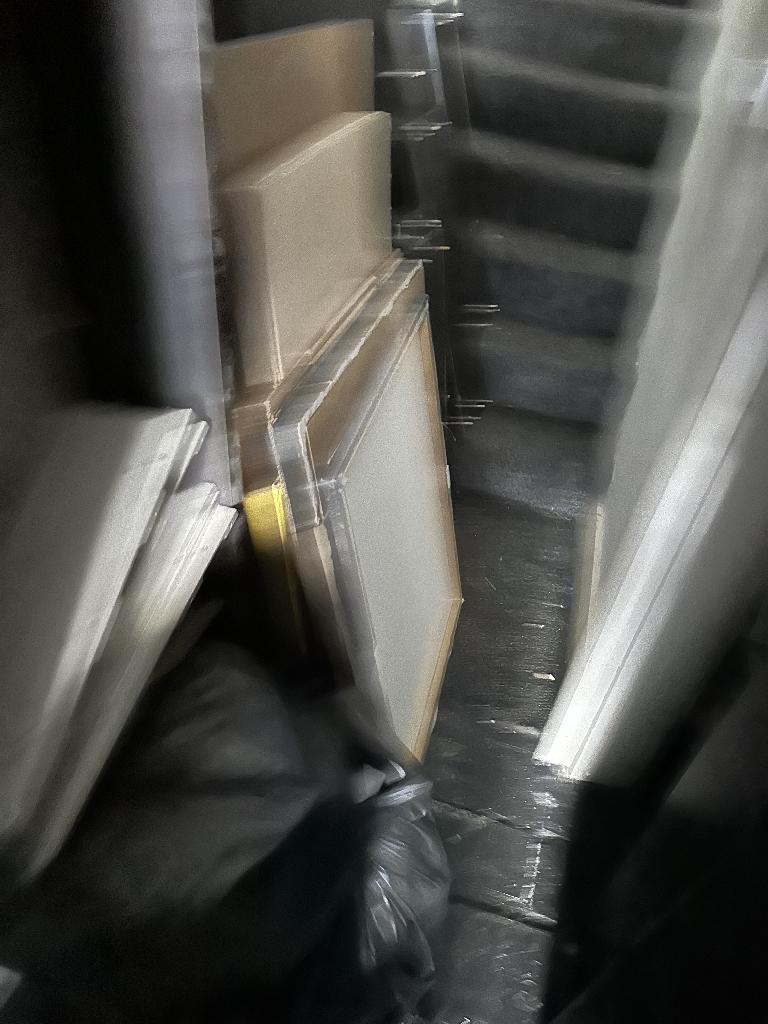
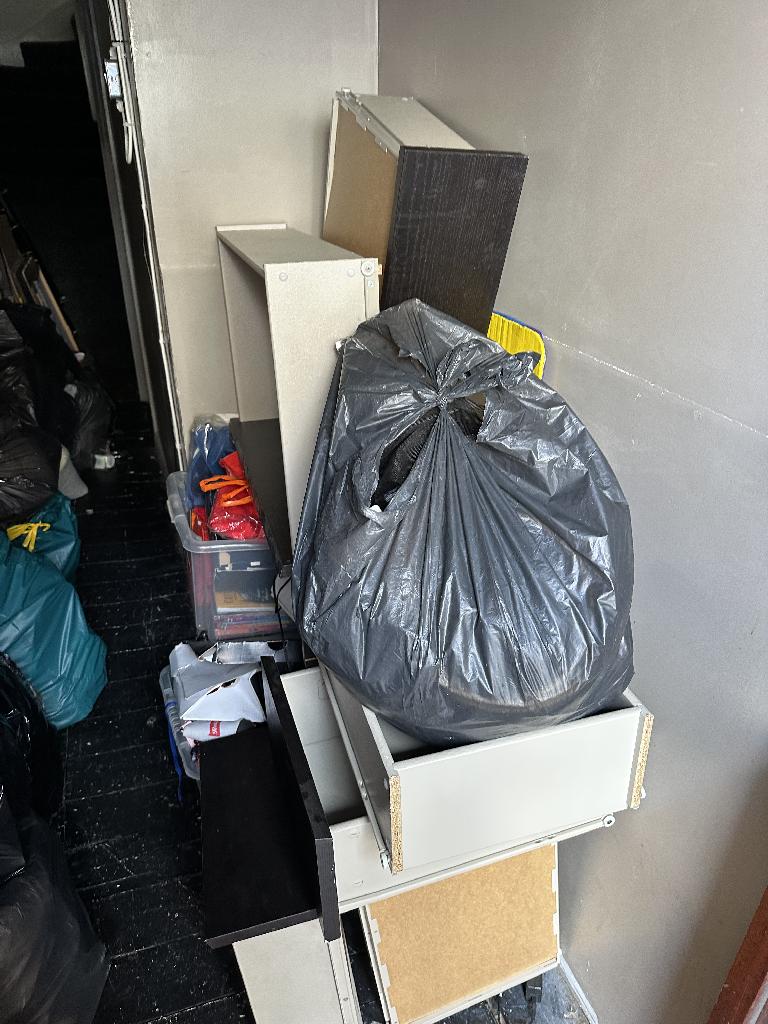
The situation: This was a cluttered, high-impact waste situation typical of confined storage corners and passage spaces where items are set down and forgotten. Before the clearance began, the available space was reduced by bagged rubbish, loose building waste, and bulky household items. The before photos show how tightly waste had gathered along walls and into corners, leaving little room to manoeuvre and creating a clearly untidy, difficult-to-navigate environment. The job involved rubbish removal for a mixed waste clearance across the affected internal space - the before images show several areas within it hit at once: bagged waste stacked against walls, heavier items stored in confined spaces, and loose materials spread along the floor. Some areas appeared to be holding onto packaging and general debris, while other sections showed bulky items and furniture-style storage that had been left in place. Overall, the condition meant there was reduced accessibility, a messy layout, and a need for careful handling due to the confined pathways and tight clearances.
From the first site overview, it was clear this was not a simple single-item pickup. The waste was present in a way that required organised removal: lifting and moving bulky items without damaging surrounding surfaces, keeping the work path clear for speed, and ensuring no debris was left behind. The job also required attention to cleanliness after the main removal, since the floor areas showed small fragments and dust that needed addressing to achieve a proper result.
How the clearance was carried out: The carrier completed the clearance with a professional, step-by-step routine that supports efficiency in confined spaces like this while still prioritising safety and care. The removal plan focused on three essentials: controlling the workflow in tight spaces, sorting items as they came offsite, and cleaning thoroughly at the end.
Loading: The team began by assessing the affected space and planning the most direct route to remove items. Where corridors and corners limited movement, access paths were prioritised first. Bagged waste was carefully grouped to prevent tearing and scattering, and larger items were moved with control to avoid impacts to walls, frames, and surrounding surfaces. Where items were wedged into corners, they were repositioned in a safe sequence so the removal could proceed without forcing or causing unnecessary damage.
Sorting: As waste was brought out of the work area, it was sorted for sensible disposal routes. Mixed waste clearances typically include a range of materials, so sorting helps ensure the waste is handled appropriately rather than mixed together without consideration. This step also supports reliability: it reduces the chance of needing to rework the job later and helps keep the clearance moving efficiently.
Removal: Once sorting was in place, the team progressed through the space methodically. The before images show waste concentrated along walls and in tight corners; therefore, the removal sequence started with the most obstructive areas. This creates space quickly and improves access for the remaining items. In a confined internal space like this one, this kind of structured removal is important because it reduces the time spent manoeuvring around clutter and helps ensure the area is fully cleared before the final check.
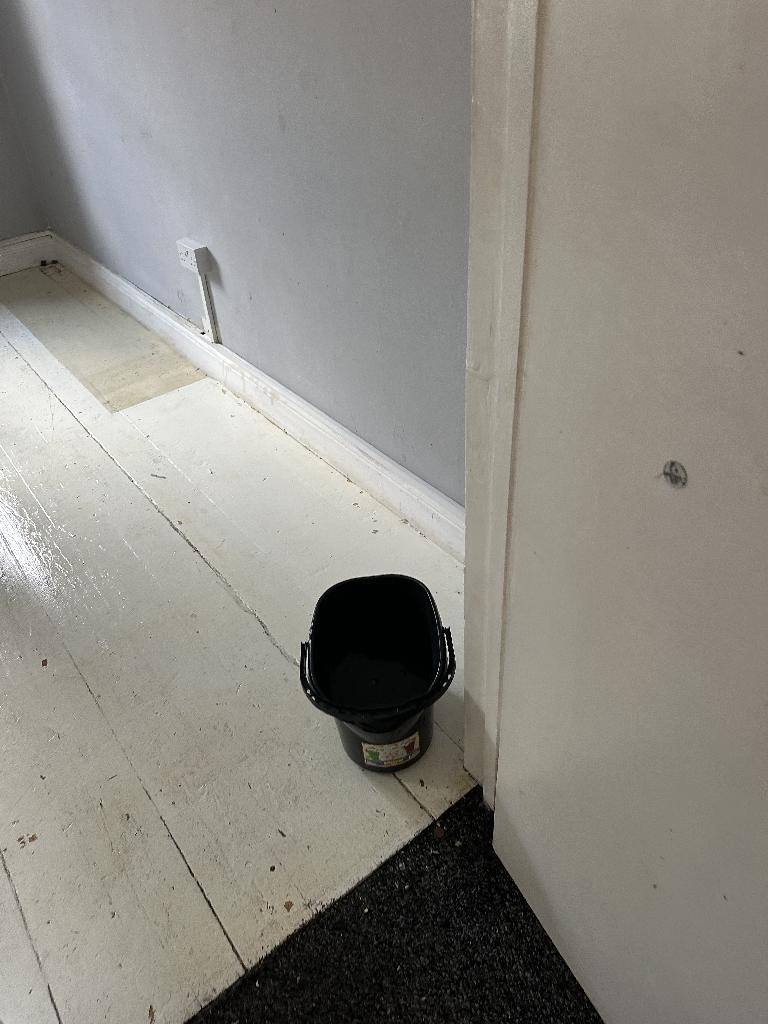
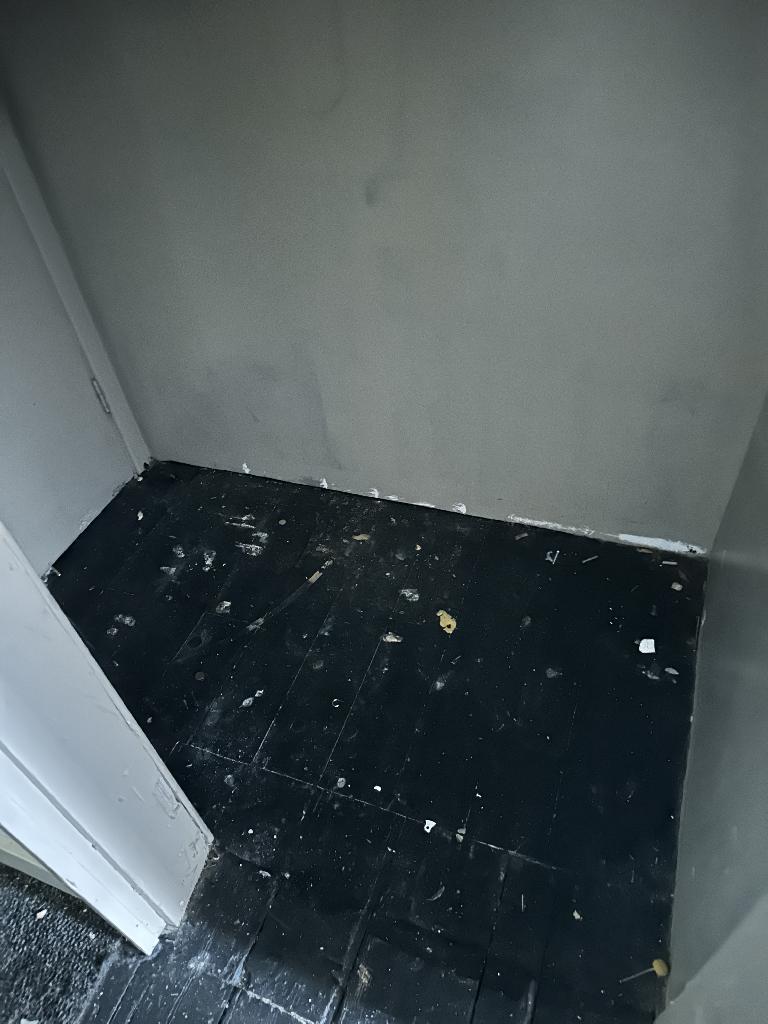
Cleanup: After the larger items and bagged rubbish were removed, the focus shifted to finishing details. The after photos indicate the importance of cleaning the floor surfaces properly. In addition to clearing the obvious waste, small debris and marks were addressed so the areas did not look only partially improved. Leaving a household clearance job clean is part of delivering the real transformation: the space should feel open, safe to step on, and ready for everyday use.
Throughout the process, professionalism mattered. The team worked with discipline in confined areas, maintained a clear workflow, and carried out the job in a way that reflects real, on-site experience. The result is not simply an empty room; it is a tidy space with the clutter removed, waste taken away, and the remaining floor area presented in a cleaner condition.
The result: The transformation is clear when comparing before and after. Before, the property had a cluttered internal space with bagged waste and bulky items obstructing movement. After the clearance, the space was significantly opened up. The after images show clean flooring and clearer sightlines through the area, with fewer obstacles along walls and corners. The cleanup step helped remove the visual residue of the clearance, leaving the space feeling more orderly and practical. For the client, this meant a more usable environment, improved access, and less stress from living around an accumulation of mixed waste - a complete clearance that supports a fresh start, with careful handling, efficient progression, and a final check that addressed the details.
Every job on houseclearance.co is quoted on individually by licensed carriers - £500.00 was this job's agreed price, not a fixed rate for Clapham or for household clearance generally.
How a house clearance typically works in Clapham
The general process, not a fact about the case study above.
Work out what's staying and what's going
The first practical step is splitting contents into three groups: things still in active use, things worth putting into storage, and things that need to leave for good. A carrier only handles that third group, so sorting through the other two beforehand - as happened before this Clapham job - keeps the actual clearance quicker on the day.
Work to a fixed deadline where one applies
Plenty of clearances answer to a specific date - a tenancy handover, a lease running out, or just wanting a room or corridor usable again - which means the booking and completion both need to land inside a set window rather than whenever suits.
Sort before you clear
Whatever's staying or heading somewhere else generally gets pulled aside before a carrier starts, which means they're removing only what's actually being left behind instead of having to figure out the scope once they're already on site.
Donation, recycling and responsible disposal
Anything not being kept then gets routed towards donation first, recycling second, and disposal as the fallback - landfill is treated as the last option, not the default one.
Final check and handover
With the space emptied, a walk-through check typically wraps things up, confirming nothing's been missed and that the floor - as in this job's after photos - is genuinely clear to walk on and use again.
On the platform, this process starts the same way regardless of area: Post the job with your postcode and details, and compare quotes from licensed local carriers who cover Clapham - there's never a single fixed price set by us.
Property types and access in Clapham
What a carrier needs to know before pricing the job.
Clapham's housing stock ranges from tall Victorian terraces converted into two or three separate flats around the common, to mansion blocks and later low-rise buildings nearer the high street, through to larger single-family houses on the quieter residential roads further out. A house clearance in Clapham quite often has to deal with exactly the kind of layout seen in this case study-a confined internal space, narrow passages and corners where items have been stored rather than a single open room-and it's one of the reasons carriers ask about access and floor plan before committing to a quote rather than after.
Storage rooms, corridors and internal spaces within converted buildings, like the one in this case study, bring their own access considerations. Where a clearance is happening inside a confined internal space rather than a single open room, the team on site generally needs to plan the route between the affected area and the collection point before loading begins, since the layout itself can be as much of a constraint as the volume of items being removed.
No property or space is inherently more difficult to clear than the next-what actually shifts a Clapham quote is how much access and layout add to the job on top of raw volume. Carriers price more accurately when they already know about narrow corridors, tight corners and how far the load has to travel to reach the road, rather than being left to size it up once they've arrived.
What's typically included in a clearance
Household contents and mixed waste, not a fixed list of categories.
Furniture, boxed belongings, mixed waste and bulky items building up over time is the pattern behind most clearance jobs, regardless of whether the property is a Victorian conversion flat near Clapham Common or a confined internal space such as the one in this case study. It's the overall volume being removed that shapes the quote far more than which categories are involved-a bagged-waste-heavy passage and a room stacked with heavier furniture-style storage can end up taking a similar amount of time, access permitting.
In an internal clearance around Clapham, expect to see bagged rubbish sitting alongside loose building waste, shelving units and general furniture-style storage, with packaging and stray debris gathering around whatever's bulkiest. Household jobs also tend to bring in old carpets, curtains and soft furnishings on top of the larger pieces, plus anything a previous occupant left that the current one doesn't want kept. Even before any photos are taken, naming the rough scale-one room, a whole storage area, or a multi-floor house clearance top to bottom-gives a carrier a starting point for volume, and photographs sent alongside that description sharpen the estimate further.
Items that need special handling
Worth flagging when you post, not discovering on the day.
A handful of categories fall outside what a routine clearance normally covers, and it's worth flagging them when the job is first posted rather than on the day: paint, solvents and gas canisters count as hazardous materials; older Clapham conversions can occasionally still have asbestos tucked away somewhere; fridges and freezers need WEEE-compliant handling on account of the refrigerant gases inside them; and rubble, old kitchen units and similar building or renovation waste get treated differently from one carrier's quote to the next-some fold it into the quote, others price it as an extra.
Naming these categories when the job is first posted lets a carrier arrange the correct disposal route ahead of time, rather than discovering it mid-job and either requoting on the spot or leaving items where they are. In a confined space like the one in this case study, that upfront detail matters more than usual, since there's less room to set awkward items aside once loading is already underway. It's a small bit of extra detail that tends to save time for everyone involved, including the carrier arriving with the right vehicle and equipment from the outset.
What affects your price
Real quotes, not a published rate card.
houseclearance.co doesn't set a fixed price for a house clearance in Clapham-carriers quote on each job individually, and a number of practical factors shape those quotes:
- Overall volume of contents to be removed
- Access-stairs, corridors, and distance to where the vehicle can park
- Parking or loading restrictions near the property
- Whether furniture or bulky components need dismantling before removal
- Any specialist waste requiring separate handling
- Likely number of loads or vehicle trips
- How urgent the job is
None of these work as a fixed multiplier-they're simply the details that make one job take longer, or need more vehicle space, than another. The 92-minute duration and £500.00 price for this job reflect its particular scope and access conditions, not a rate that applies to every Clapham household clearance. The more detail you include when you post, the less likely a quote is to shift once a carrier actually sees the space.
Clearing a confined internal space
Why access and sequencing matter more than volume alone.
A confined internal space - the storage corner, narrow passage and tight corridor seen in this Clapham job - behaves differently from an open room even when the actual volume of waste is similar. There's less room to stage items before they go out the door, less room to manoeuvre bulky pieces without knocking a wall or door frame, and less flexibility to work on several areas at once. That's part of why the before photos show waste gathered tightly against walls and into corners rather than spread evenly across a floor: in a confined space, clutter tends to accumulate wherever it was last set down, since there's nowhere obvious to redistribute it.
Sequencing is the main tool a carrier has for keeping a job like this efficient. Clearing the most obstructive items first - whatever is blocking the direct route to the door or the collection point - opens up working room for everything that follows, rather than trying to remove items in whatever order they happen to be stacked. This is exactly the approach described above for this job: access paths were prioritised before the bulk of the bagged waste and stored items came out, which kept the 92-minute job moving without the team having to double back through areas they'd already cleared.
Bagged waste needs slightly different handling in a confined space than loose or boxed items. Bags stacked tightly against a wall or wedged into a corner can tear if pulled at the wrong angle, scattering loose contents into a space that's already short on room to work. Grouping bags before lifting them, and carrying them along a cleared path rather than across still- cluttered floor, reduces that risk - a small detail, but one that matters more in a passage a few feet wide than it would in an open room.
Anyone booking a similar clearance in a confined internal space - a storage room, a narrow hallway, a boxroom used for overflow storage - can help a carrier price it accurately by describing the width of the access route and how tightly packed the space is, rather than just the overall quantity of items. A passage that's two boxes wide takes longer to clear than the same volume of waste in an open room, even though the amount being removed is identical, and that difference is easier for a carrier to plan for if it's flagged before the quote rather than discovered on arrival.
Preparing for clearance day
A short checklist that helps the day run smoothly.
Once a quote has been accepted, a bit of preparation generally makes the visit itself faster and less stressful, particularly in a building with a confined internal space or narrow corridors like the one in this case study.
- Set aside anything being kept, clearly separated from what's being cleared
- Confirm parking or loading arrangements with the carrier in advance
- Let a building manager or site contact know a clearance visit is happening
- Flag any items needing special handling before the day itself
- Note any fixed deadline-moving date, handover date, or a change of use for the space
- Decide who will be present, or nominate a contact to give access
- Clear a walk path in advance if the room or corridor is particularly congested
If you won't be around for the whole visit, settle the details with the carrier beforehand rather than leaving it to work out on arrival - this comes up often with probate jobs specifically, where whoever's organising the clearance may be arranging it from somewhere else entirely.
Responsible disposal
Reuse and recycling before anything goes to landfill.
The platform's expectation is that a carrier separates items out as the job proceeds rather than treating it all as one load bound for the same place. Furniture and household goods still in usable condition usually go to a charity or reuse scheme, metal, wood and electricals get pulled aside for recycling, and landfill is reserved for what's genuinely left with no other option. The specifics can shift slightly from carrier to carrier, so it's worth asking outright if it matters to you when weighing up quotes. See responsible disposal for more on how this is expected to work across the platform.
More generally, anyone planning a similar clearance in Clapham may wish to start with the job request form and post the job with as much detail as possible-property or storage type, access, floor level, and anything needing special handling-before comparing quotes from licensed waste carriers covering the area. It's the same process regardless of whether the job is a household clearance, a storage clear-out, a probate clearance or a straightforward end-of-tenancy handover.
Questions about house clearance
Common questions, answered generally rather than for this one example.
Was this a real completed job?
Yes. This case study documents a genuine completed internal household clearance job in Clapham (SW9) using a verified historical job record provided for publication on houseclearance.co, and the photos, duration and price quoted above are the real figures from that job (Job Ref: 273), not an illustrative example.
How much does a job like this typically cost?
This particular job cost £500.00 for 92 minutes of work clearing mixed waste from a confined internal space. That price reflects this job's specific scope and access conditions rather than a fixed rate-every job on the platform is quoted on individually, so get a price estimate for your own situation.
Does houseclearance.co cover all of Clapham?
Yes. Clapham is covered as part of the wider Lambeth carrier network, so wherever your property or storage space sits within the area, you can post a job and licensed carriers with capacity nearby can quote on it.
Can a carrier clear a confined internal space, not just a home?
This job is the proof: confined internal spaces and communal areas get handled on the platform just like private flats and houses do, using the same approach to access-work out the route between the affected area and the collection point first, then start loading.
How does the quotation process actually work?
Post the job with your postcode and access details. Licensed carriers covering Clapham review the listing and submit quotes, and you choose whichever offer suits your budget and timeline-or none at all, if nothing fits.
What happens to the waste once it's collected?
It gets split up rather than dumped together. Reusable items typically go to a charity or reuse scheme, recyclable materials are separated out for processing, and only what's genuinely beyond reuse or recycling ends up at landfill - the same approach followed on this Clapham job.
Is parking likely to be an issue on the day?
On some of the busier streets around Clapham, yes-controlled parking zones and loading restrictions do turn up. Flagging any of these when the job goes up gives the carrier a chance to build that loading window into their plan instead of burning time working it out after they've already arrived.
Can a carrier clear a narrow passage or storage corner without damaging the walls?
Yes - it's routine. Carriers plan the removal route through a confined space before loading begins, group and lift bagged waste with care rather than dragging it, and move bulkier items with control to avoid contact with walls, door frames and other surfaces along the route, as happened on this Clapham job.
Can I request a same-day or short-notice clearance?
It's possible, but it hinges on which carriers happen to have capacity near your postcode right then. A short-notice request narrows the field of carriers able to take it on, so posting as soon as you know about an urgent job improves your odds.
Dealing with a house clearance in Clapham?
Post the job and compare quotes from licensed carriers.
Get my priceRead about house clearance coverage in Clapham, or see more case studies.