
✅ Real completed job. This case study documents a genuine completed clearance job using a verified historical job record (Job Ref: 121) provided for publication on houseclearance.co - the photos, description and figures below are real, not illustrative.
The case study: multi-room flat clearance in Chelsea
Before and after photos from a genuine completed clearance job documented in a verified historical job record.
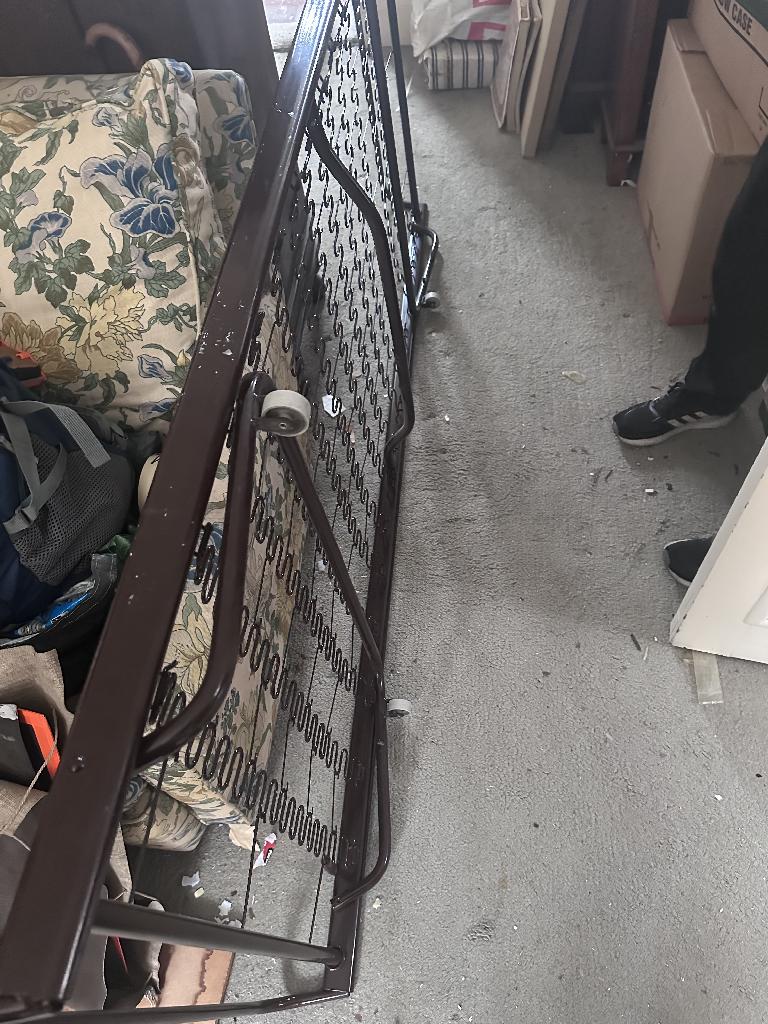
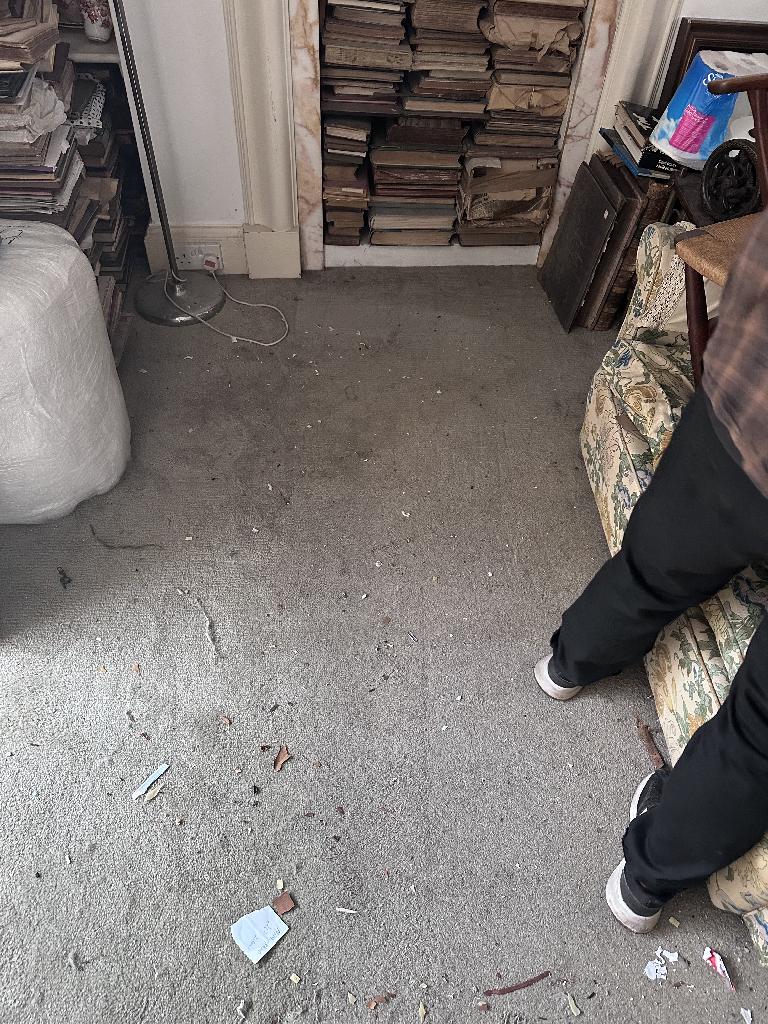
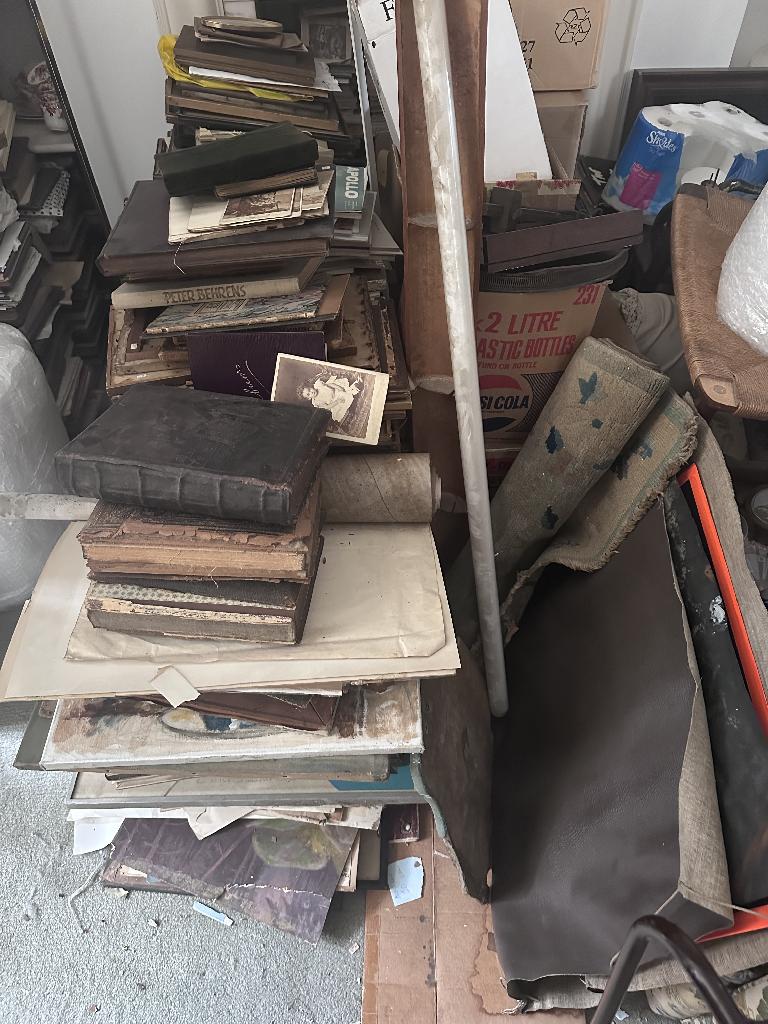
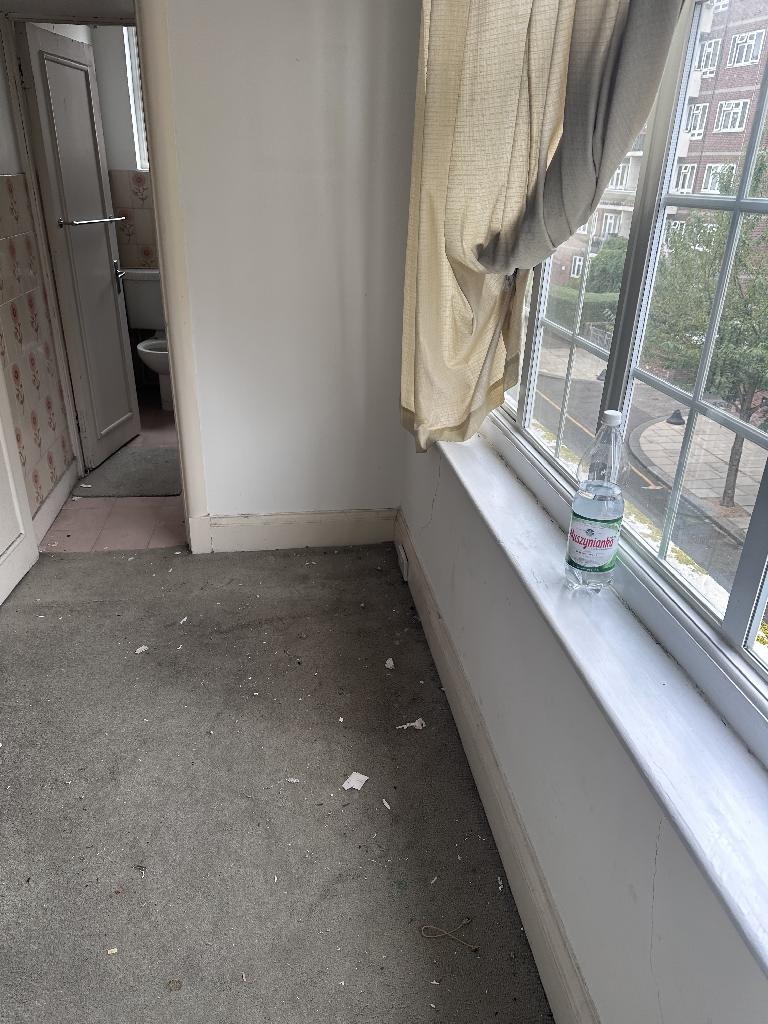
Multi-Room Flat Clearance in Chelsea
A flat clearance in Chelsea often involves several rooms at once rather than a single storage area, and this job was a good example of that scale. The customer needed help clearing a flat where boxes, bagged waste and furniture had built up across a corridor, a bathroom and a room containing upholstered seating, rather than a single cluttered corner. The carrier coordinated the work across each of these zones in turn, moving waste out efficiently while keeping the rest of the flat usable during the job. Anyone comparing options for house clearance in Chelsea can see from the before and after photos below how the corridor, bathroom and main room looked on arrival and what they looked like once the job was completed.
The approach taken was straightforward but disciplined: every clearance is treated as a practical moving and sorting job, not a rush-and-leave collection. That means assessing what is present in each room, planning the route from each cluttered area to the exit, and using suitable handling methods for waste types that varied here from cardboard boxes and bagged household waste through to bulkier upholstered furniture. In a Chelsea flat like this one, where a corridor and doorway can restrict how much can be moved at once, good access planning helps protect walls, doors and flooring while still achieving a fast turnaround.
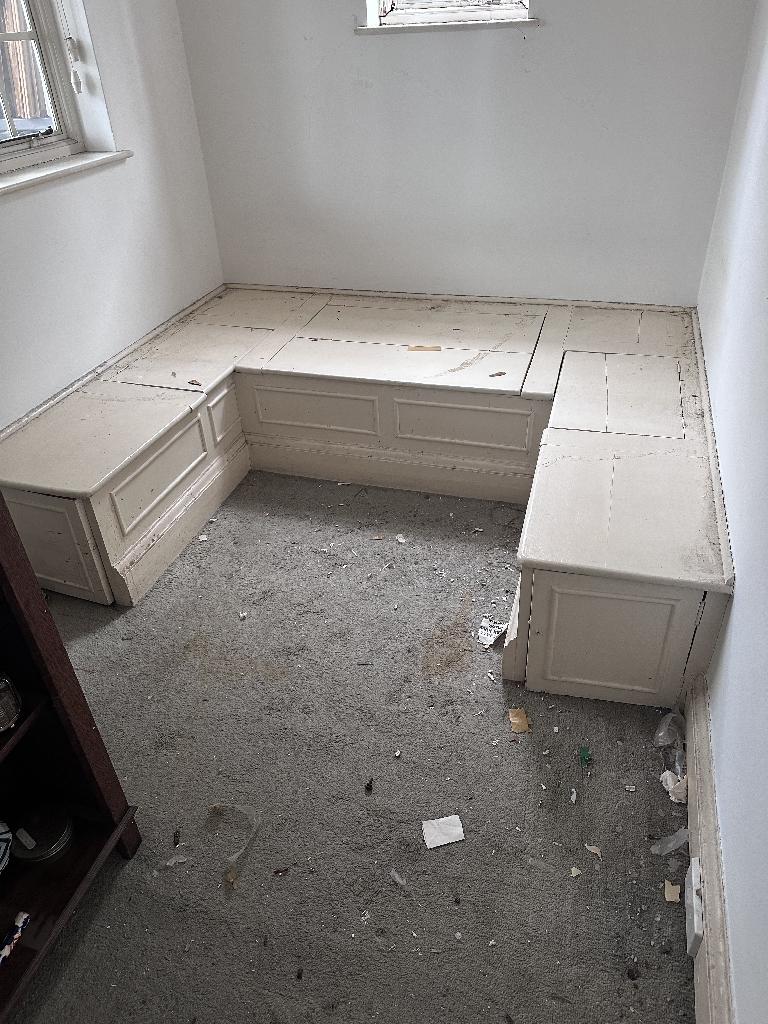
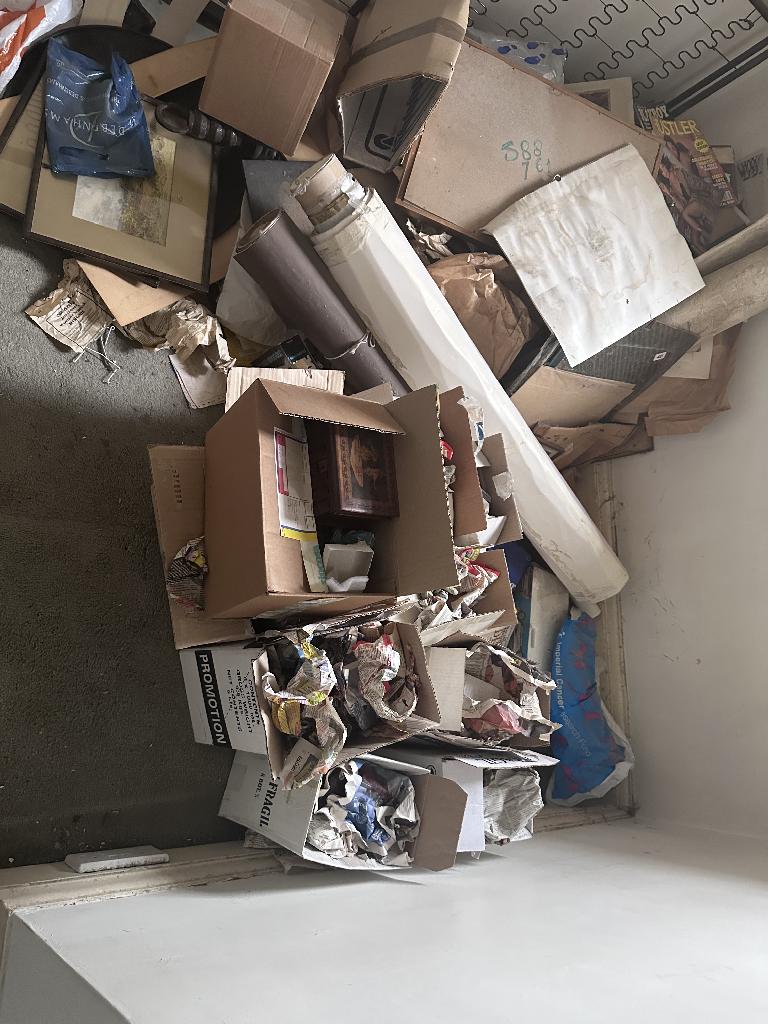
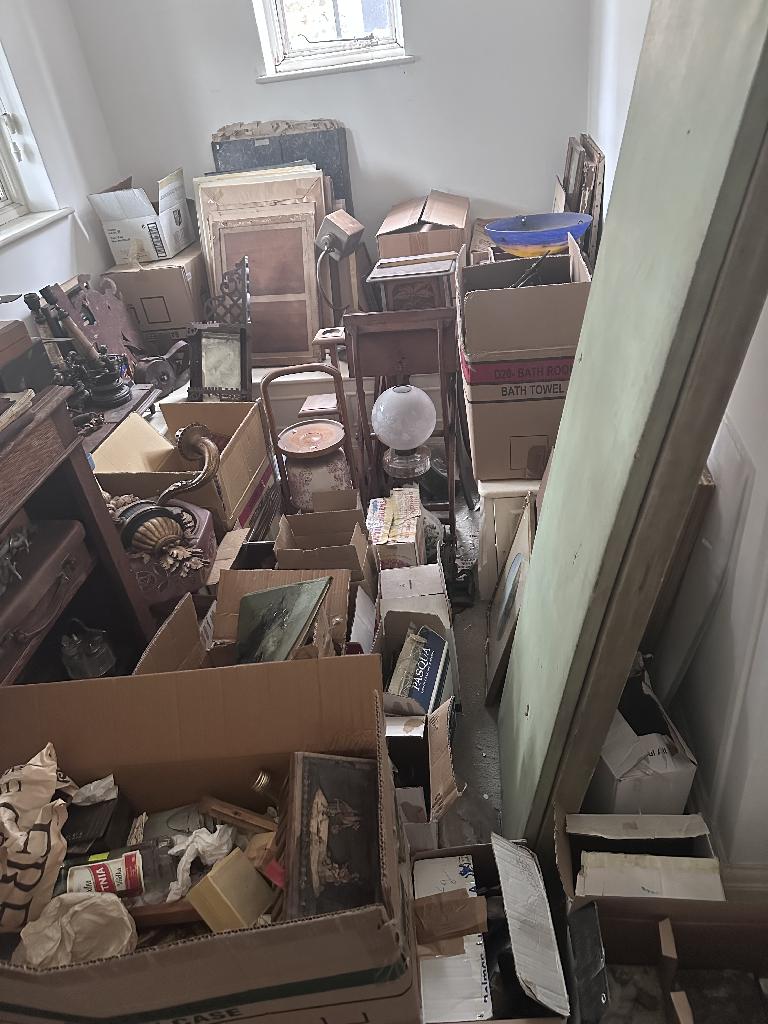
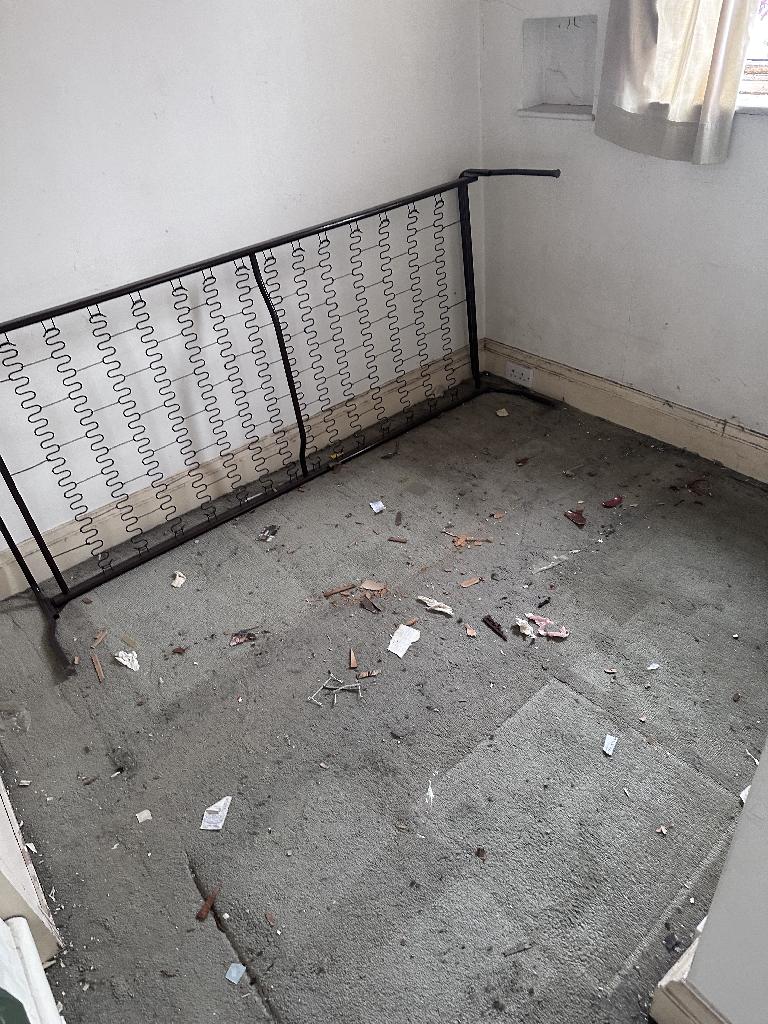
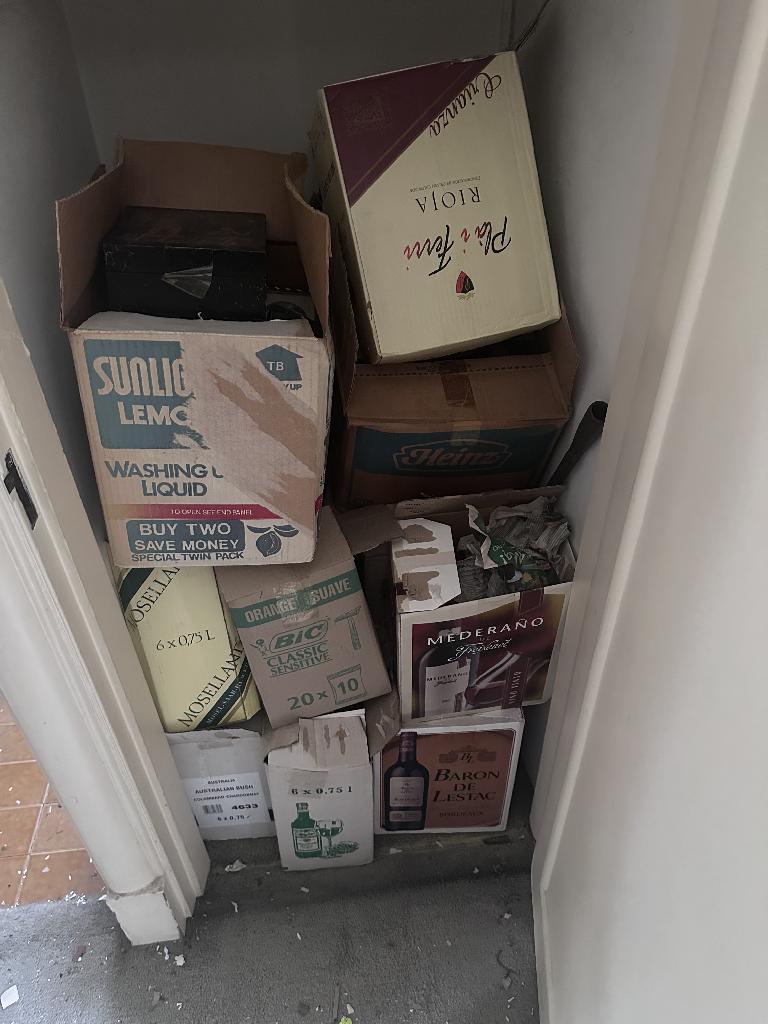
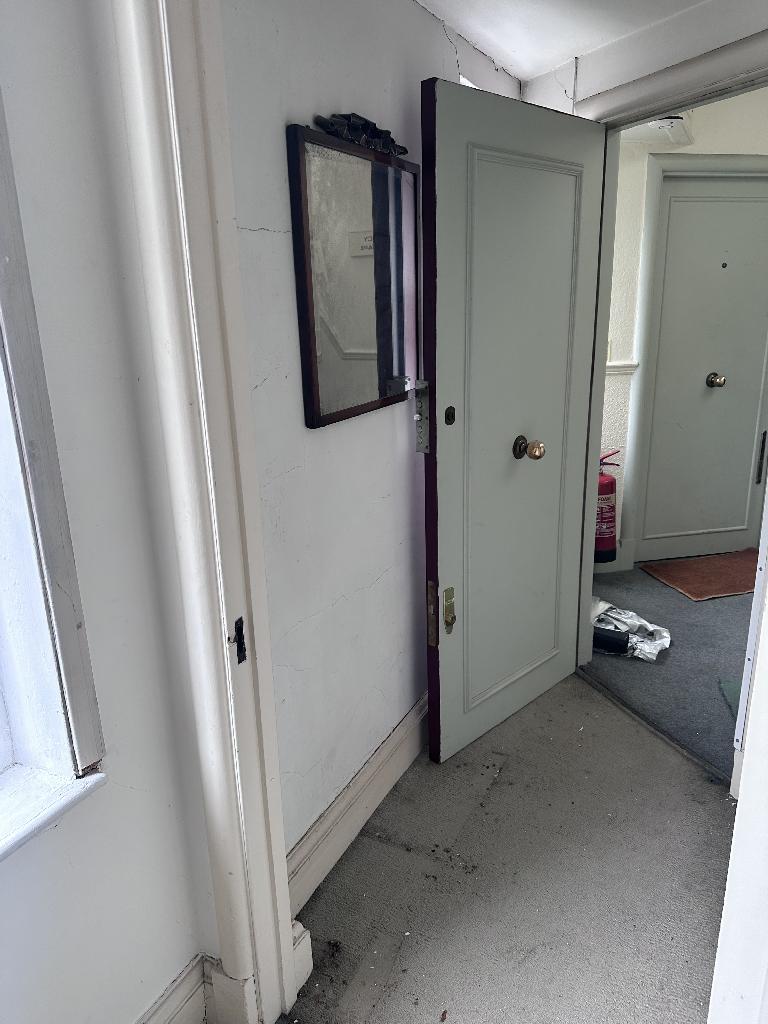
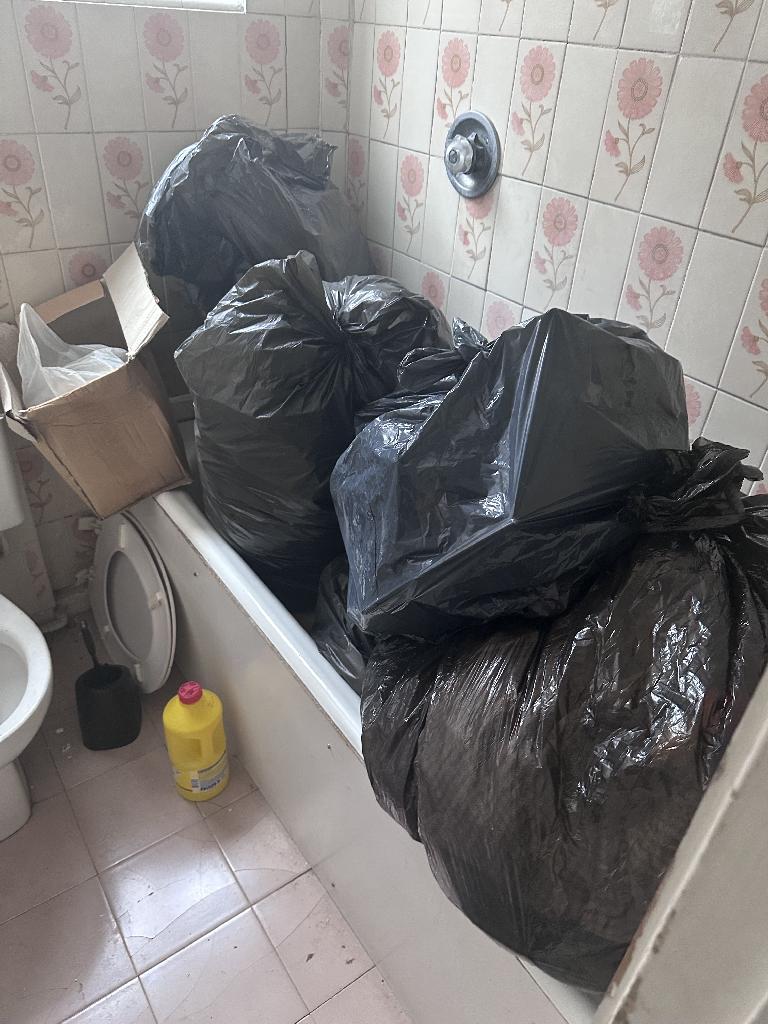
The situation: On arrival, the flat showed clear signs of a full clearance being needed rather than a single-room tidy-up. The before photos show stacked boxes and mixed waste in one room, a corridor cluttered with further boxes and waste restricting movement between rooms, and a doorway area with debris limiting floor access. Stacked boards and waste piles were visible alongside more household packaging boxes, and the bathroom had black bin bags of waste accumulated inside it. A separate room contained upholstered furniture, including a sofa, standing near cushions and a dirty floor close to the cluttered areas. In practice, this kind of layout across multiple rooms creates several issues at once: it blocks circulation between rooms, limits access to the bathroom, and increases the time needed to sort and remove everything because the waste is spread across separate zones rather than concentrated in one place.
This job involved a mix of clearance needs including boxed household items, general bagged waste, boards and packaging materials, and furniture that needed to be moved out alongside the waste. The corridor and doorway were particularly affected by restricted access, while the bathroom needed its bagged waste cleared separately from the boxed material in the main rooms. The challenge was to clear each zone thoroughly while keeping the rest of the flat accessible throughout, so the final outcome would look like a properly cleared flat rather than a partially tidied one.
How the clearance was carried out: The process started with an on-site walkthrough of the flat to understand the layout of each room and confirm the best handling route between them. Because the waste was spread across a corridor, a bathroom and a furnished room, removal was planned in a sequence that reduced re-travelling and kept the working area manageable at each stage. In this Chelsea flat, the carrier's team also focused on protecting door frames and flooring in the corridor while boxes and furniture were moved through it.
Loading began with preparing the removal path through the corridor and then tackling the larger and more obstructive items first, including the upholstered furniture and the largest stacks of boxes. By lifting and loading in a controlled order, the risk of snagging on the doorway was minimised, along with the likelihood of debris scattering into areas that had already been cleared.
Sorting ran alongside the removal itself rather than waiting until everything was outside: as items came off the main piles and out of the corridor, waste was split by type so it could be handled correctly rather than bundled together. The boxed household items and packaging were kept apart from the bagged waste coming out of the bathroom, which meant the final sweep-up and processing afterwards went more smoothly. Boxes in particular were lifted carefully rather than dragged, to avoid tearing them open and spilling their contents mid-job-a detail that matters for keeping the standard of a clearance dependable rather than just fast.
Removal continued with the remaining obstructions in each zone cleared, including the doorway area and the room containing the sofa and cushions. The before images show that some waste was concentrated near doorway openings, which can be time-consuming if dealt with last. On this job, the work followed a structured pattern so the corridor and each room could be progressively cleared, meaning less material stayed in the way of the next extraction steps.
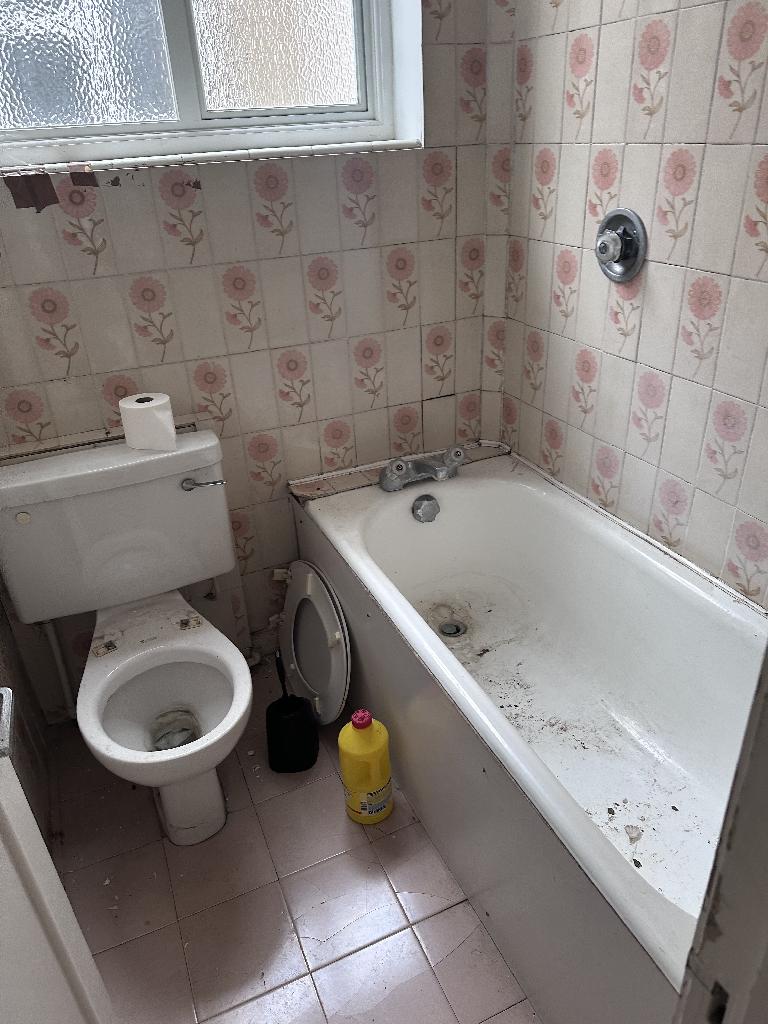
Cleanup came once the main waste had been removed, with a final pass through the corridor, bathroom and main room to address leftover marks and minor debris, aiming to leave the floors and accessible surfaces ready for immediate use. The after photos confirm the transformation: a cleared room corner, an open corridor and floor area, and a bathroom with the bin bags and waste removed. Cleanup is particularly important in a multi-room flat clearance because fragments and small bits can be left behind in more than one area if not checked room by room.
What held the job together from start to finish was the sequencing: each move between rooms was planned rather than improvised, and the surfaces along the route were watched throughout rather than only at the end. By the time the last load left the corridor, the whole flat had been treated as a full clearance-not a series of separate pickups-and the Chelsea property was handled with the same care as if it were being lived in, rather than as a stop on a collection round.
The result: The after images show a clear before to after transformation. The room corner and floor area that were previously stacked with boxes and waste were returned to an open, walkable state. The doorway was no longer blocked by debris, the window-side space was clear, and the bathroom was restored to normal use once the bin bags and waste were removed. Most importantly, the final outcome was not just removal but restoration of usable space-improved movement through the corridor and rooms, and a flat that feels ready for normal daily use.
Every job on houseclearance.co is quoted on individually by licensed carriers - £1,800.00 was this job's agreed price, not a fixed rate for Chelsea or for flat clearance generally.
How a flat clearance typically works in Chelsea
The general process, not a fact about the case study above.
Work out what's staying and what's going
Across a multi-room flat, it helps to go room by room rather than tackle everything at once: decide what's staying in daily use, what's worth boxing for storage, and what's actually finished with. Carriers only remove that last group, so having it sorted room by room speeds up the whole visit.
Work to a fixed deadline where one applies
A flat clearance spanning several rooms is often tied to a fixed date-completion, a lease ending, or wanting the whole place back for something else-so it makes sense to book the job with that deadline in mind rather than leave it open-ended.
Sort before you clear
Going room to room and setting aside anything you're keeping or moving elsewhere means the carrier only clears what's genuinely being left in each space, rather than having to check with you room by room on the day.
Donation, recycling and responsible disposal
Landfill is the last resort, not the default: items left behind are generally offered up for donation first, put toward recycling next, and only sent for disposal once neither of those routes applies.
Final check and handover
Handover comes last: the carrier walks back through every room that was cleared to confirm nothing was missed, so the flat is left genuinely ready for its next use rather than just emptier than before.
The route to a quote follows the same pattern everywhere on the platform: list the job along with your postcode and a few details, then let licensed carriers covering Chelsea come back with their own quotes - nobody at houseclearance.co sets a single price for you.
Property types and access in Chelsea
What a carrier needs to know before pricing the job.
This job is a case in point for why access planning matters so much in Chelsea: the flat's corridor and doorway were tight enough that the carrier had to work out a controlled path between the corridor, the bathroom and the living area rather than carrying boxes and furniture straight out. That's typical of the borough's housing stock, where red-brick mansion blocks off the King's Road sit alongside period terraces closer to the river, and both building types can put access ahead of volume when it comes to how a flat clearance in Chelsea actually plays out on the day. Buildings nearer Sloane Square add a further layer again, since a porter and service lift often come with their own rules on which entrance to use and when a collection can go ahead.
Mews properties tucked away behind the main streets, and period houses that have since been converted into flats, raise similar questions about circulation space. In this flat's case, the corridor connecting the bathroom, the living area and the exit left little room to manoeuvre, so the carrier mapped out the walk path between each of those cluttered zones and the collection point before any loading started-because on a job like this, the route matters as much as how much needs carrying out.
None of this means one type of property is inherently more difficult to clear than the next-it just means a carrier pricing a Chelsea job weighs floor level and access alongside overall volume, so flagging stairs, lift access, porter arrangements and how far the collection point is from the road gives them enough to quote accurately rather than adjusting once they've already arrived.
What's typically included in a flat clearance
Household contents and mixed waste, not a fixed list of categories.
Most flat clearances cover the general accumulation of furniture, boxed belongings, mixed waste and bulky items that builds up in a property over time, whether that's a mansion-block flat off the King's Road or a period house nearer the river. In this case study, the mix included boxed household items, bagged waste and upholstered furniture across several rooms, which is a reminder that what drives the quote is usually the overall volume of contents to be removed rather than the specific mix of categories-a flat full of boxed items and furniture can take about as long to clear as one with a single heavily cluttered room, depending on access.
This particular job combined several categories at once: boxed household items, bagged rubbish, packaging materials and a piece of upholstered furniture, plus the loose debris that tends to collect around doorways and corridors once a flat has been left unattended for a while. Carpets, curtains and other soft furnishings, along with anything a previous occupant left behind, typically get folded into the same job as the bulkier pieces rather than treated separately. Telling a carrier roughly how much space is affected-one room, the whole flat, or a house spread over several floors-gives them a starting point for volume even before photos are added, and the photos then narrow the estimate down further.
Items that need special handling
Worth flagging when you post, not discovering on the day.
A handful of item types fall outside what counts as a standard clearance, and it's worth flagging them when you post: paint tins, solvents and gas canisters and other hazardous materials; suspected asbestos, which does turn up now and then in Chelsea's older period conversions; fridges and freezers, since the refrigerant gases inside mean they need WEEE-compliant disposal; and rubble, old kitchen units or other renovation and building waste, which some carriers fold into their clearance quote while others quote for separately.
Naming these categories at the posting stage lets a carrier arrive already prepared for the right disposal route, instead of having to pause and requote partway through. Across several rooms, it's easy for one of these to be tucked away somewhere unexpected, so a quick check room by room before posting is worth the few extra minutes.
What affects your price
Real quotes, not a published rate card.
houseclearance.co doesn't set a fixed price for a flat clearance in Chelsea-carriers quote on each job individually, and a number of practical factors shape those quotes:
- Overall volume of contents to be removed
- Access-stairs, lift availability, porter arrangements, and distance to where the vehicle can park
- Parking or loading restrictions near the property
- Whether furniture or bulky components need dismantling before removal
- Any specialist waste requiring separate handling
- Likely number of loads or vehicle trips
- How urgent the job is
None of these work as a fixed multiplier-they're simply the details that make one job take longer, or need more vehicle space, than another. The 150-minute duration and £1,800.00 price for this job reflect its particular scope, volume and access conditions, not a rate that applies to every Chelsea flat clearance. The more detail you include when you post, the less likely a quote is to shift once a carrier actually sees the space.
Access and sequencing in a multi-room flat
Why clearing several rooms at once is a different job to clearing one.
A multi-room flat clearance like this Chelsea job differs from a single-room job in one key respect: the carrier has to plan a route through the whole flat, not just out of one door. Where waste is spread across a corridor, a bathroom and a separate room with furniture, as it was here, moving items from the furthest room first without a clear path back out risks re-cluttering a corridor that was already cleared, or blocking access to a room that still needs doing. Planning the sequence before loading begins-corridor first to open the route, then working room to room-keeps the job from doubling back on itself.
Doorways and internal corridors are usually the tightest point in a flat, and they take the most wear during a multi-room job simply because everything has to pass through them. Upholstered furniture in particular needs careful handling through a narrow corridor: it can't be dragged without risking the flooring, and a sofa or armchair often needs to be tilted or walked through at an angle rather than carried straight. Protecting door frames and skirting boards while doing this matters more on a multi-room job than a single-room one, since the same corridor gets used repeatedly as each room is cleared in turn.
Where a flat sits within a mansion block or a converted period building, building-level access can add a further layer to plan around: a porter who needs advance notice, a service lift with a weight or size limit, or a fixed collection window set by the building rather than the resident. None of this changes what needs clearing, but it does change how a carrier times and sequences the job, which is why flagging any building rules alongside the room-by-room description helps a quote reflect the real conditions on site rather than a generic flat clearance.
A bathroom cleared of bagged waste, as in this job, is usually the quickest of the affected rooms to finish, but it still needs treating as its own zone rather than an afterthought folded into the main room. Bagged waste from a bathroom can include items that shouldn't be mixed with general household waste, so keeping it separated during collection - rather than combined with boxes and furniture from elsewhere in the flat - is part of doing a multi-room job properly rather than just quickly.
Preparing for clearance day
A short checklist that helps the day run smoothly.
Once you've accepted a quote, a little advance preparation pays off on the day itself, especially across several rooms with tight corridors like the ones in this case study.
- Set aside anything being kept, clearly separated from what's being cleared
- Confirm parking or loading arrangements with the carrier in advance
- Note any porter, service lift, or building access arrangements that need booking ahead of time
- Flag any items needing special handling before the day itself
- Note any fixed deadline-moving date, handover date, or a change of use for the space
- Decide who will be present, or nominate a contact to give access
- Clear a walk path in advance if the corridor or rooms are particularly congested
If you can't be around for the whole visit, settling access and sign-off with the carrier in advance saves any confusion once they're moving between rooms-particularly relevant on probate jobs, where the person organising things is often not local.
Responsible disposal
Reuse and recycling before anything goes to landfill.
houseclearance.co carriers are expected to sort what comes out of each room rather than treating a multi-room job as one undivided load. Furniture and household goods with life left in them generally go to charity or reuse routes, metal, wood, paper and electricals are separated for recycling, and only genuine leftovers end up at landfill. The specifics can differ a little from carrier to carrier, so ask directly if it matters when you're comparing quotes. See responsible disposal for more on how this is expected to work across the platform.
More generally, anyone planning a similar clearance in Chelsea may wish to start with the job request form and post the job with as much detail as possible-property type, access, floor level, and anything needing special handling-before comparing quotes from licensed waste carriers covering the area. It's the same process regardless of whether the job is a flat clearance, a probate clearance or a straightforward end-of-tenancy handover.
Questions about house clearance
Common questions, answered generally rather than for this one example.
Was this a real completed job?
Yes. The £1,800.00 price, the 150-minute duration and the before and after photos on this page all come from Job Ref: 121, a multi-room flat clearance actually carried out in Chelsea (SW3) and made available to houseclearance.co as a verified historical job record for publication-none of it has been staged or estimated for illustration.
How much does a job like this typically cost?
This particular job cost £1,800.00 for 150 minutes of work clearing boxes, bagged waste and furniture from a flat across several rooms. That price reflects this job's specific scope and access conditions rather than a fixed rate-every job on the platform is quoted on individually, so get a price estimate for your own situation.
Does houseclearance.co cover all of Chelsea?
Yes. Chelsea is covered as part of the wider Kensington and Chelsea carrier network, so wherever your property sits within the area, you can post a job and licensed carriers with capacity nearby can quote on it.
Can a carrier clear a whole flat across several rooms, not just a single cluttered room?
Yes-the corridor, bathroom and living area cleared in this job are a direct example. Whether it's one room or a whole flat spanning several zones, a carrier works out the route to the collection point for each area before any loading starts, rather than treating a multi-room job differently in principle.
How does the quotation process actually work?
Post the job, then list the job with your postcode and whatever access details apply. From there, licensed Chelsea-based carriers look over the listing and put in quotes, and it's entirely up to you which one, if any, matches your budget and timeline.
What happens to the waste once it's collected?
Each room is sorted as it's cleared rather than tipped together at the end. Furniture and household items in reasonable condition typically go toward charity or reuse, materials that can be recycled are separated, and only what has nowhere else to go is taken to landfill.
Is parking likely to be an issue on the day?
Quite possibly-plenty of streets around Chelsea sit within controlled parking zones or carry loading restrictions. Letting the carrier know about these when you post means they can build the loading window into their plan instead of burning time on it after they've turned up.
Does a porter or service lift in the building affect how the job is done?
It can. Where a flat sits in a mansion block or serviced building, a porter may need advance notice and a service lift can carry its own weight or size limits, so passing that detail on when you post the job lets a carrier plan timing and equipment around the building's own rules rather than finding out on the day.
Can I request a same-day or short-notice clearance?
It's really a question of carrier capacity near your postcode on the day you post. Short-notice jobs can be picked up, but fewer carriers are free to take them at short notice, so posting early gives an urgent job the widest pool of bidders.
Dealing with a house clearance in Chelsea?
Post the job and compare quotes from licensed carriers.
Get my priceRead about house clearance coverage in Chelsea, or see more case studies.