
✅ Real completed job. This case study documents a genuine completed clearance job using a verified historical job record (Job Ref: 370) provided for publication on houseclearance.co - the photos, description and figures below are real, not illustrative.
The case study: allotment and garden clearance in Chiswick
Before and after photos from a genuine completed clearance job documented in a verified historical job record.
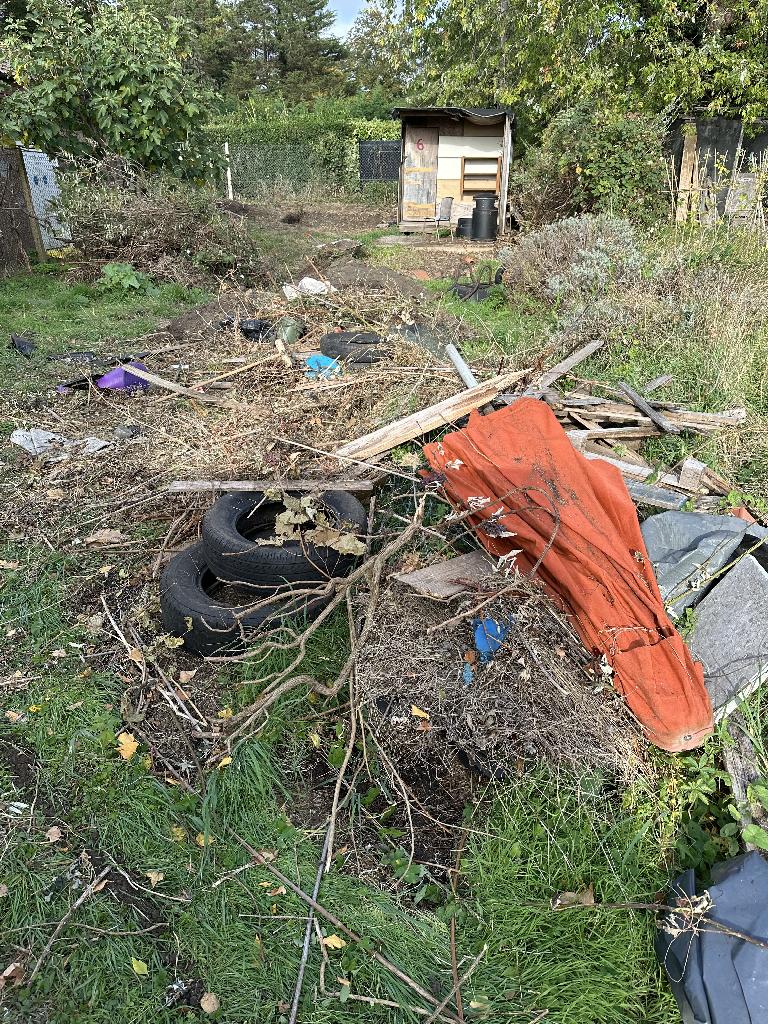
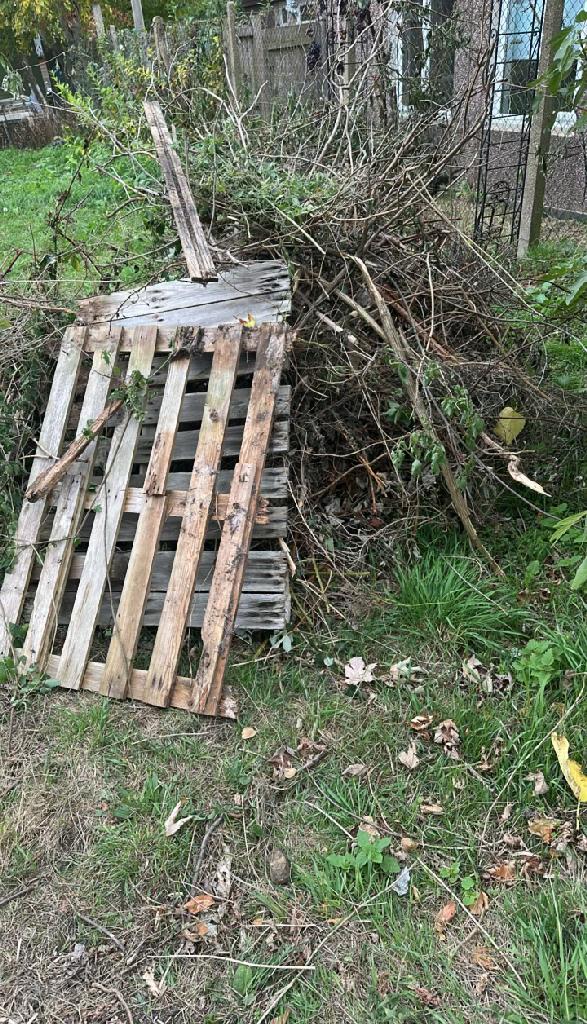
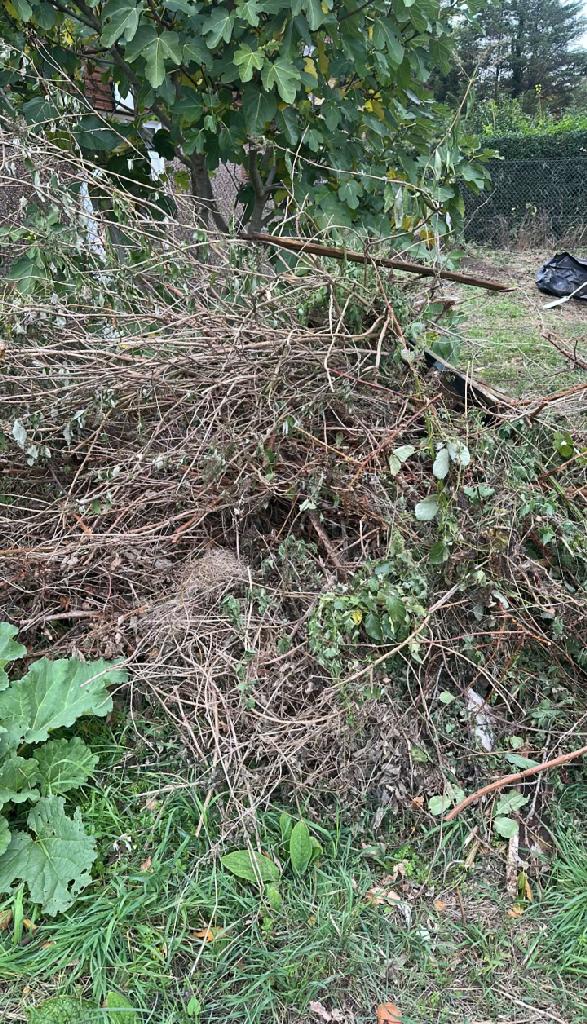
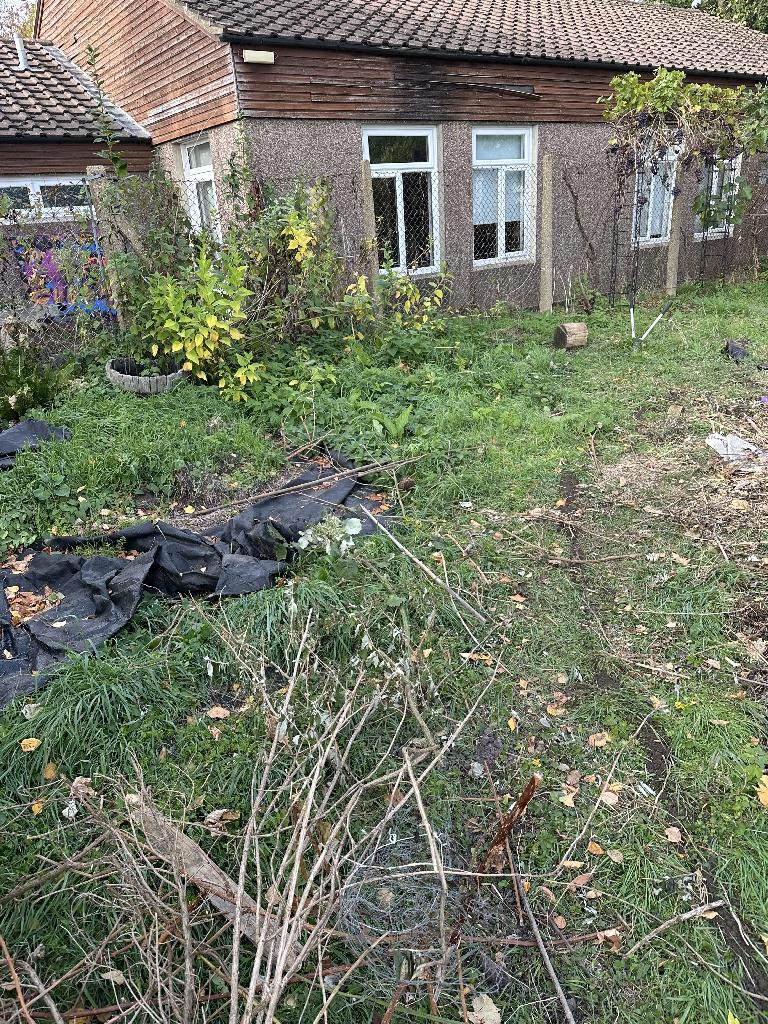
Allotment and Garden Clearance in Chiswick
When an allotment is left to get overgrown, rubbish and garden waste can quietly take over the space. This job was an allotment and garden clearance in Chiswick documented from a verified historical job record published on houseclearance.co, and it involved exactly that kind of build-up: an allotment plot where garden waste and dumped debris had accumulated to the point of reducing usable planting space and making it harder to move around the site. Allotment holders in this part of W4 take real pride in keeping their plots productive, so when waste like this builds up it affects more than just appearance - it can create trip hazards and eat into the space available for actual growing. Anyone weighing up a similar job can start by looking at house clearance in Chiswick for the wider area this allotment sits within.
The situation: The before photos show an allotment area in Chiswick that had accumulated a significant amount of garden waste alongside mixed dumped materials. Multiple areas showed woody growth and tangled branches gathered together, with pieces of broken timber and general debris scattered across the ground. In one view, pallets and rough wooden sections sat among the vegetation, suggesting items had been left to weather over time. Other images show loose branches and dry, tangled growth lying across the plot, including sections near the gravel path and the gate.
Some of the items were bulky and awkward to move by hand - long wooden sections and mixed debris that wouldn't simply brush away. There were also bagged and bundled waste and loose pieces that needed sorting before removal could even begin. Mixed garden waste like this can be slow going if a team works without a plan, since different materials often need handling differently; if wooden pieces and plant waste are piled together, loading becomes slower and cleanup risks being incomplete. The overall condition meant reduced usable space and less clear routes through the plot, with overgrowth encroaching on areas that would otherwise be used for cultivation, plus visible hazards from loose timber and scattered debris underfoot.
How the clearance was carried out: The approach for this Chiswick allotment job was planned as a clear, step-by-step process rather than a casual tidy-up. First, the carrier's team reviewed the photos provided in advance and then attended the site to understand how the waste was actually distributed across the plot. Allotment spaces like this one often have boundaries, hedging and narrow routes that affect how waste can be carried out, so the main waste areas - tangled branches, woody material, broken timbers and loose debris - were identified before any loading began, along with a check of the gravel path so the route itself stayed workable throughout.
Once the waste distribution was understood, materials were removed in a logical order: bulky and awkward items such as wooden sections and pallet-like debris were handled first, since these tend to obstruct movement and make it harder to reach the smaller plant waste underneath or around them. The carrier's team then worked through the tangles of garden waste and smaller woody growth, clearing the area gradually and improving access as they went. Loading itself was carried out with attention to safe handling throughout - garden waste can be heavier than it looks, especially with damp woody branches, mixed timbers and compacted plant matter, and movements were kept controlled so waste was taken away without scattering further debris across the plot or damaging surrounding hedging and fence lines.
For a mixed garden waste job like this, some sorting during the clearance itself helps avoid inefficient handling later. Woody pieces and timbers were separated from looser vegetation where practical, and bundled waste was managed to reduce mess on the ground, rather than letting the job turn into a simple pile-up exercise. After the main removal, a cleanup pass followed to leave the allotment surface in noticeably better condition, focusing on the visible waste mass and making sure loose fragments and plant debris weren't left behind in a way that would keep the area unusable. Allotment customers generally want the plot to feel ready to use again straight away, and the final tidy was carried out with that outcome in mind.
The result: The transformation from before to after on this Chiswick plot is clear. Where the before photos show dense tangled branches, garden waste piles and scattered broken timber limiting usable space, the after images show a more open and organised allotment area, with the bulk of the waste removed and the cleared section left ready for the next stage of work. The outcome was practical rather than just cosmetic: with the garden waste and mixed debris removed, access improved and the ground became easier to move around and maintain going forward, without constantly working around piles of overgrown material.
Every job on houseclearance.co is quoted on individually by licensed carriers - £600.00 was this job's agreed price, not a fixed rate for Chiswick or for garden waste removal generally.
How a house clearance typically works in Chiswick
The general process, not a fact about the case study above.
Work out what's staying and what's going
For a Chiswick allotment or garden plot, the first practical step is deciding what's coming out entirely, what's being moved to another part of the site, and what still has a use where it stands. A carrier only removes the first category, so an allotment holder who walks the plot beforehand and marks out the growing beds worth keeping tends to see a quicker, cleaner job on the day itself.
Work to a fixed deadline where one applies
On plots like this one, timing is often set by the growing season rather than a moving date-clearing before spring planting, or before an allotment association reallocates a lapsed tenancy-so the work needs slotting into a fairly narrow window either side of that point.
Sort before you clear
Splitting out anything staying on the plot-tools, a shed's remaining contents, established plants-before the crew starts means the carrier is only shifting what's genuinely being left, not guessing at scope once they're standing among the tangled branches.
Donation, recycling and responsible disposal
Timber that's still usable and undamaged garden equipment are generally set aside for reuse first, green waste is composted or recycled where the carrier has that route, and only material that genuinely can't go either way ends up as landfill waste.
Final check and handover
With the plot cleared, the crew does a last pass over the ground to check nothing's been missed among the remaining growth, then hands the site back in a state that's actually usable-whether that's for replanting or simply walking the boundary again.
On the platform, this whole process starts the same way regardless of area: Post the job with your postcode and details, and compare quotes from licensed local carriers who cover Chiswick - there's never a single fixed price set by us.
Property types and access in Chiswick
What a carrier needs to know before pricing the job.
Housing around Chiswick runs from older riverside houses close to the Thames through to Victorian and Edwardian terraces set back from the water, plus a good number of flats and conversions above the shops along the high street. A house clearance in Chiswick quite often has to deal with exactly this kind of layout-narrow access near the river, or stairs and no lift above a shopfront-which is one of the reasons carriers ask about access before committing to a quote rather than after.
Outdoor and site-based jobs, like the allotment clearance in this case study, bring their own access considerations too. Allotment plots in the W4 area are often enclosed by fencing or hedging with a single gravel path in and out, and the carrier's team on site generally needs to plan the route between the waste and the collection point before loading begins, since the path itself can be as much of a constraint as the volume of material being removed.
None of this makes one property or plot harder to clear in principle than another-it simply means access matters as much as overall volume when a carrier prices a Chiswick job, so mentioning gates, path width and distance from the nearest parking point up front tends to produce a more accurate quote than leaving carriers to work it out on arrival.
What's typically included in a clearance
Household contents, garden waste and mixed debris, not a fixed list of categories.
Most clearances cover the general accumulation of furniture, boxed belongings, mixed waste and bulky items that builds up in a property or outdoor space over time, whether that's a flat above a Chiswick High Road shopfront or an allotment plot like the one in this case study. Garden waste can usually be included too, provided it's mentioned when you post, since it isn't automatically assumed to be part of a standard indoor job. What drives the quote is usually the overall volume of material to be removed rather than the specific mix of categories-a plot full of tangled branches and timber can take about as long to clear as a room full of boxed waste, depending on access.
This Chiswick job is a good example of what an outdoor or garden-waste clearance tends to involve: tangled branches, broken timber, bagged waste and loose plant matter gathered around bulkier pieces, much as it was on the allotment plot pictured above. Indoor household jobs bring their own recurring mix instead-old carpets, curtains and soft furnishings alongside bulkier furniture, plus whatever a previous occupant left behind that the current one doesn't want. In either case, giving a carrier a sense of scale before they see photographs-whether that's one plot, a single storage area, or a full house clearance spanning several floors-lets them judge volume early, and the photographs then confirm or refine that first impression.
Items that need special handling
Worth flagging when you post, not discovering on the day.
A short list of items sits outside a routine clearance and generally needs mentioning upfront: hazardous materials such as paint tins, solvents and gas canisters; anything suspected of containing asbestos, which can occasionally turn up in older Chiswick conversions; large fridges and freezers, which require WEEE-compliant handling because of the refrigerant gases they contain; and general building or renovation waste such as rubble or old kitchen units, which some carriers include within a clearance quote and others price separately. Heavy timber and pallet-like wood from a garden or allotment clearance, of the kind seen in this case study, is also worth flagging so a carrier brings the right vehicle and equipment.
Mentioning these when a job is first posted lets a carrier line up the right disposal route before they arrive on site, rather than pausing mid-job to work out where a fridge or a load of rubble actually needs to go. For an allotment or garden job specifically, it also means they turn up with equipment suited to heavy timber rather than assuming a purely indoor clearance.
What affects your price
Real quotes, not a published rate card.
houseclearance.co doesn't set a fixed price for a house clearance in Chiswick-carriers quote on each job individually, and a number of practical factors shape those quotes:
- Overall volume of contents or waste to be removed
- Access-stairs, lift availability, gates, and distance to where the vehicle can park
- Parking or loading restrictions near the property or site
- Whether furniture or bulky components need dismantling before removal
- Any specialist waste requiring separate handling
- Likely number of loads or vehicle trips
- How urgent the job is
None of these work as a fixed multiplier-they're simply the details that make one job take longer, or need more vehicle space, than another. The 163-minute duration and £600.00 price for this job reflect its particular scope and access conditions, not a rate that applies to every Chiswick garden clearance. The more detail you include when you post, the less likely a quote is to shift once a carrier actually sees the site.
Green waste, branches and mixed timber disposal
Why an allotment or garden clearance is sorted differently from an indoor job.
Overgrown allotment waste, like the tangled branches and pallet-like timber cleared from this Chiswick plot, is handled quite differently from household rubbish once it leaves the site. Green waste-woody growth, plant matter and general vegetation-can generally be composted or processed for recycling rather than sent straight to landfill, but only if it's kept apart from other material during loading rather than bagged up together with broken timber and general debris. A carrier working a plot like this one typically separates woody green waste from harder timber and mixed rubbish on site, since each stream has a different onward route.
Loose branches and dense tangled growth also carry their own handling risk that a straightforward indoor clearance doesn't. Damp woody material is heavier than it looks, and irregular branch shapes don't stack or load as neatly as boxed household items, so a carrier needs to work through it methodically rather than trying to gather armfuls in one go. Where pallets or old fencing timber have been left to weather, as in this job, the wood can be brittle or splintered, which is another reason bulky wooden sections tend to be cleared first before the finer plant waste underneath.
Access on an allotment or garden site is usually narrower and more constrained than a driveway or front door. A single gate, a gravel path, or hedging along the boundary often defines the only practical route between the waste and wherever a vehicle can load, so a carrier needs to walk that route before starting rather than discovering partway through that a wheelbarrow load of timber won't fit through a gap. Mentioning gate width, path surface and roughly how far the waste sits from the nearest parking point helps a carrier plan the number of trips a job like this actually needs.
Once collected, sound timber and pallet wood with some life left in them can sometimes be salvaged for reuse rather than chipped, and general green waste typically goes through composting or a dedicated green waste facility rather than a standard household waste stream. Being clear about the rough mix-mostly woody branches, mostly loose vegetation, or a combination as on this plot-helps a carrier judge which vehicle and disposal route actually suits the job.
Preparing for clearance day
A short checklist that helps the day run smoothly.
Once a quote has been accepted, a bit of preparation generally makes the visit itself faster and less stressful, particularly for a plot or property with restricted access like the one in this case study.
- Set aside anything being kept, clearly separated from what's being cleared
- Confirm parking or loading arrangements with the carrier in advance
- Let a site manager, landlord or allotment association contact know a clearance visit is happening
- Flag any items needing special handling before the day itself
- Note any fixed deadline-moving date, handover date, or a change of use for the space
- Decide who will be present, or nominate a contact to give access
- Clear a walk path in advance if the site is particularly congested
Allotment holders who can't get down to the plot themselves-often the case with a probate situation, where a family member is arranging things from elsewhere-should agree gate access and a nominated contact with the carrier beforehand, so the crew isn't left waiting at a locked gate on the day.
Responsible disposal
Reuse and recycling before anything goes to landfill.
For an outdoor job like this Chiswick allotment clearance, sorting happens largely on the plot itself: sound timber and pallet wood get set aside where a reuse route exists, green waste and woody material are separated for composting or recycling, and only material that's too degraded or mixed to salvage goes to landfill. Practice varies a little between individual carriers, so it's worth asking directly if this matters to you when comparing quotes. See responsible disposal for more on how this is expected to work across the platform.
More generally, anyone planning a similar clearance in Chiswick may wish to start with the job request form and post the job with as much detail as possible-property or site type, access, and anything needing special handling-before comparing quotes from licensed waste carriers covering the area. It's the same process regardless of whether the job is a household clearance, a garden or allotment clear-out, a probate clearance or a straightforward end-of-tenancy handover.
Questions about house clearance
Common questions, answered generally rather than for this one example.
Was this a real completed job?
Yes. The photos, duration and price quoted above all come from Job Ref: 370, a verified historical job record provided for publication on houseclearance.co covering an actual allotment and garden clearance completed in Chiswick (W4)-none of the figures here are made up for illustration.
How much does a job like this typically cost?
This particular job cost £600.00 for 163 minutes of work clearing overgrown garden waste and mixed debris from an allotment plot. That price reflects this job's specific scope and access conditions rather than a fixed rate-every job on the platform is quoted on individually, so get a price estimate for your own situation.
Does houseclearance.co cover all of Chiswick?
Yes. Chiswick is covered as part of the wider Hounslow carrier network, so wherever your property or plot sits within the area, you can post a job and licensed carriers with capacity nearby can quote on it.
Can a carrier clear an allotment or garden, not just a home?
The Chiswick allotment clearance above answers that directly: the same carriers who take on private flats and houses also cover allotments, gardens and other outdoor sites, working out the route to the collection point before any loading starts, regardless of which type of site it is.
How does the quotation process actually work?
Post the job with your postcode and access details. Licensed carriers covering Chiswick review the listing and submit quotes, and you choose whichever offer suits your budget and timeline-or none at all, if nothing fits.
What happens to the waste once it's collected?
For a plot clearance like this one, timber and equipment with remaining life get set aside for reuse where possible, woody and green waste is separated out for recycling or composting, and only what genuinely can't be salvaged either way ends up at landfill.
Is access likely to be an issue on the day?
It can be, particularly for riverside properties near Chiswick Mall or enclosed sites like allotment plots with a single gate or gravel path. Mentioning any known access restrictions when you post lets the carrier plan their route and equipment rather than losing time once they arrive.
Can I request a same-day or short-notice clearance?
That comes down to which carriers happen to have a free slot near your postcode when you post. Chiswick has a reasonable spread of carriers covering it, but short-notice jobs still narrow the field, so posting as soon as you know the plot needs clearing improves your chances.
Dealing with a house clearance in Chiswick?
Post the job and compare quotes from licensed carriers.
Get my priceRead about house clearance coverage in Chiswick, or see more case studies.