
✅ Real completed job. This case study documents a genuine completed clearance job using a verified historical job record (Job Ref: 62) provided for publication on houseclearance.co - the photos, item list, duration and price below are real, not illustrative.
The case study: flat clearance in North Acton
Before and after photos from a genuine completed clearance job documented in a verified historical job record.
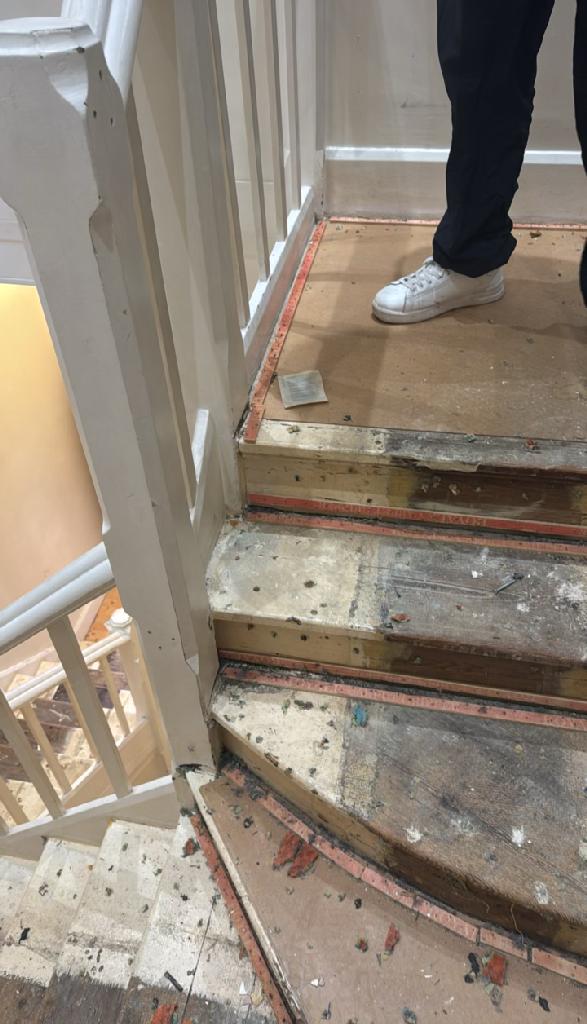
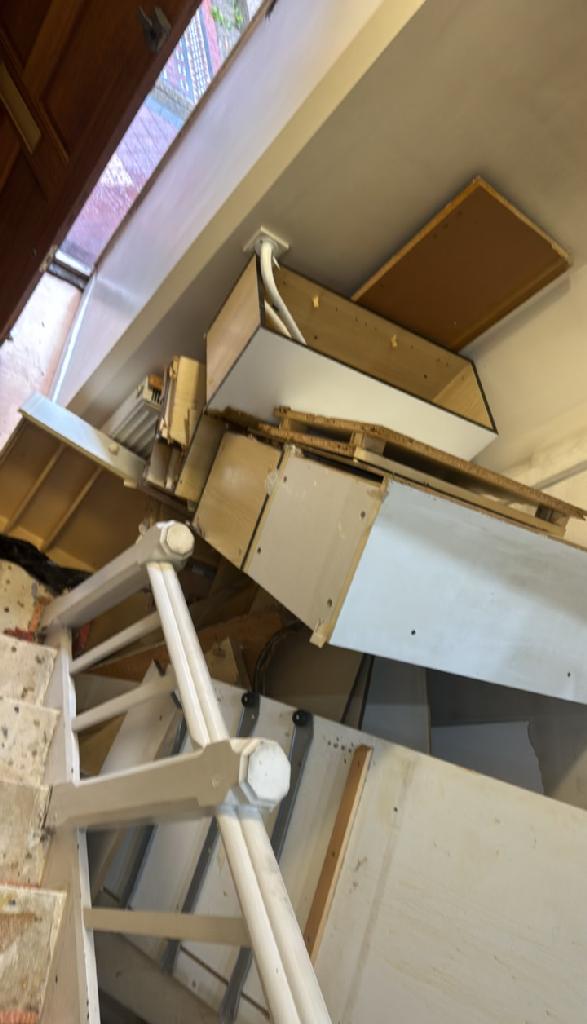
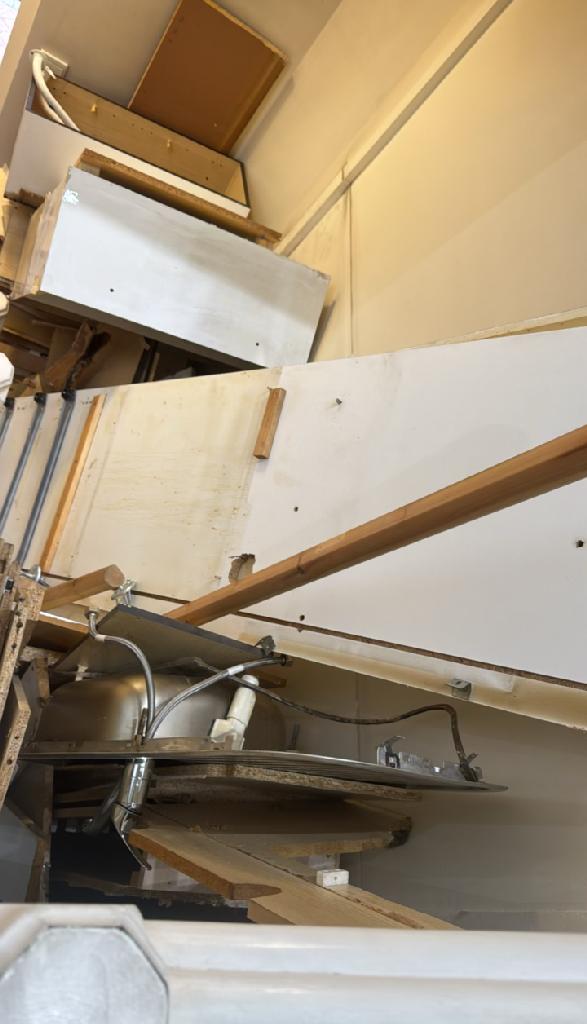
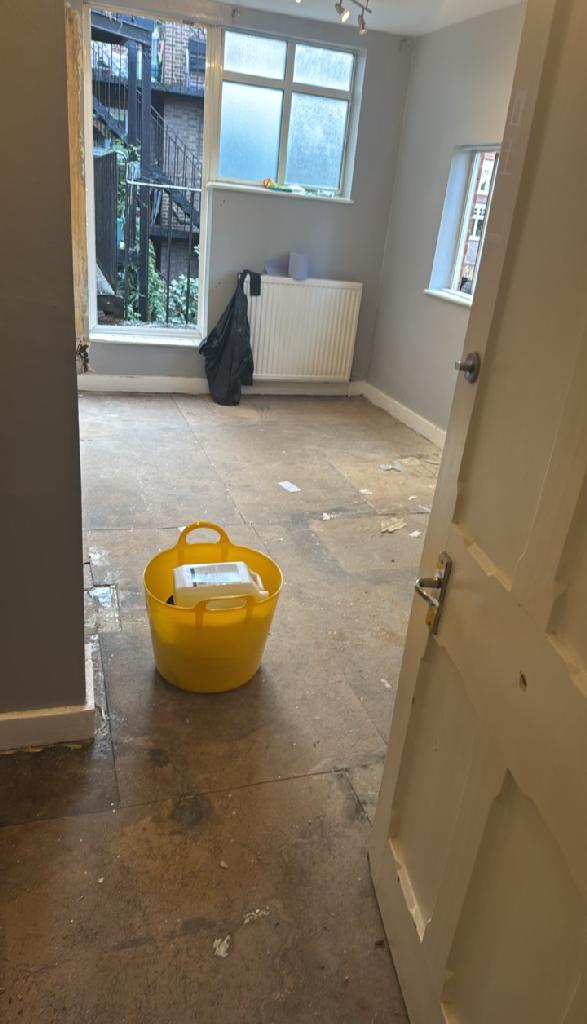
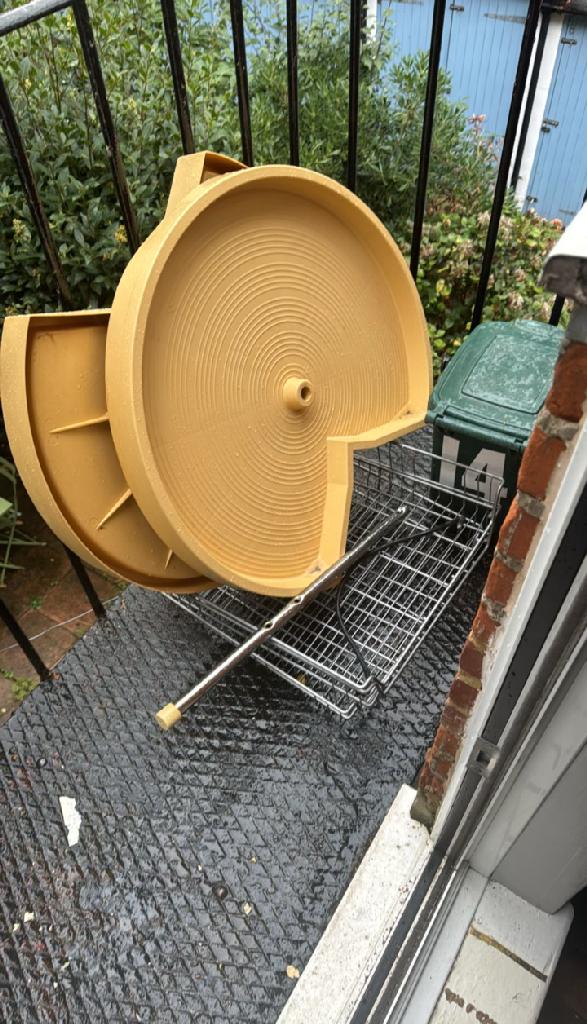
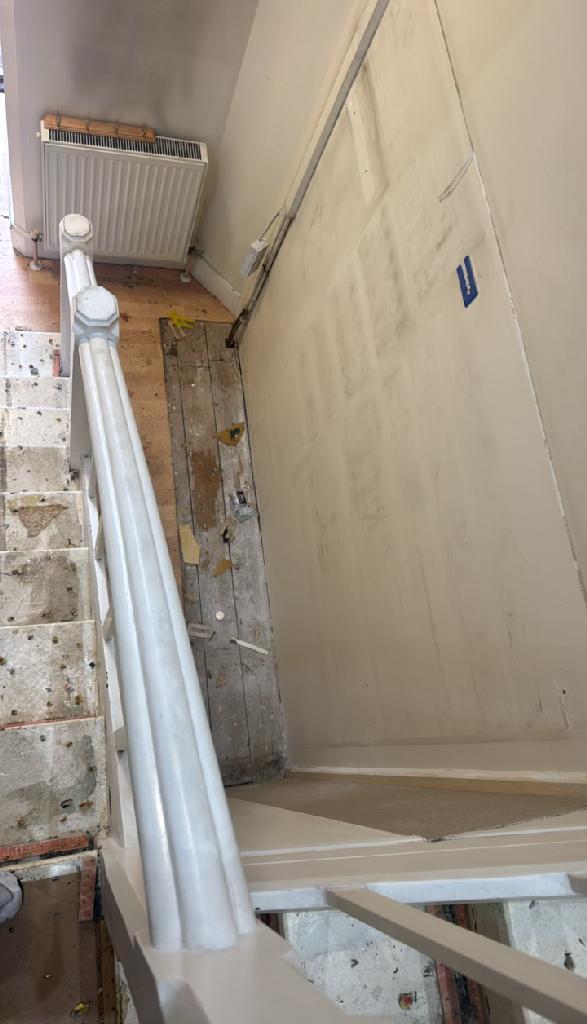
Further before photos from the same job.
A newly moved-into flat in North Acton, with kitchen and carpet waste to clear
Moving into a new flat is exciting, but it also creates a practical problem: someone has to deal with whatever the previous state of the property has left behind, and that waste usually needs to go before renovation or day-to-day life can properly begin. This flat clearance in Acton covered exactly that situation - a client who had just moved into a flat in North Acton and needed dismounted kitchen units, a worktop, a wardrobe and a large quantity of cut and rolled carpet removed promptly so the property could be used without obstruction.
For this particular job, the client had already done a fair amount of the preparatory work themselves. The kitchen units had been dismounted, the carpet had been cut and rolled to make it easier to move, and everything was set aside downstairs ready for collection rather than left scattered through the flat. That single detail - waste already staged in one place - shaped how the whole job was approached, because it meant the carrier's team could put its time straight into loading and removal rather than searching the property room by room.
The situation: The supplied job record shows the waste consisted of 17 kitchen cabinets that had already been dismounted, one worktop, one wardrobe, and approximately 75 square metres of carpet that had been cut and rolled. Even with everything already set aside, a job of this scale carries real handling considerations. Kitchen cabinets and a worktop typically combine wood and composite materials, a wardrobe adds bulk and awkward shape, and 75 sqm of carpet - even rolled - is a substantial volume to move without creating loose fibre or debris along the way. The before photos show dismounted cabinet carcasses and wood pieces stacked in a stairwell area, alongside carpet rolls staged both indoors and outdoors near a fence, plus renovation debris and broken wood pieces left on the floor nearby.
Access notes provided with the job confirmed that all of the waste would be set aside downstairs, ready for collection, rather than requiring the carrier's team to navigate through occupied rooms. This is a genuinely useful detail in a job like this: it reduces the complexity of internal movement and lets a carrier plan the loading sequence in advance, working out roughly how many trips a 75 sqm carpet volume and 17 dismounted units are likely to need before ever arriving on site. Anyone weighing up a house clearance in Acton after their own move can use the same approach for planning purposes.
How the clearance was carried out: The job was completed with a clear, step-by-step approach suited to a moving-day timeline. Loading and on-site handling came first - the downstairs collection area was prepared, with the kitchen cabinets, worktop and wardrobe treated as the main bulky items since they determine the load plan. Even though the cabinets had already been dismounted, each one was still checked for stability before being carried out, so nothing shifted awkwardly during removal.
Sorting and waste preparation followed. The client had already cut and rolled the carpet, which made transport more manageable, but the rolls still needed to be kept grouped and aligned so they didn't shift in transit. Alongside that, the wood furniture components - cabinets, wardrobe and worktop - were prepared for removal in a sequence designed to reduce downtime and avoid unnecessary movement back and forth through the stairwell.
Removal from the property came next. Carrying bulky waste out through a stairwell can disturb debris on the floor even when items are already set aside, so the carrier's team managed the movement to keep the route clear and protect the transition points between floors. Finally, cleanup completed the job - the aim was not simply to take the waste away, but to leave the working area ready for the client to get on with living in, and renovating, their new flat.
The result: The after photos show the stairwell and hallway areas left noticeably clearer, with the dismounted cabinet parts, wood pieces and carpet rolls gone and a bin staged neatly where the bulk of the waste had previously been stacked. The final outcome was a complete removal of the move-in and renovation waste described in the job: the 17 kitchen cabinets, the worktop and the wardrobe were taken away, and the cut and rolled carpet was cleared from the property. Because everything had been set aside downstairs in advance, the carrier's team was able to deliver the job in a controlled way inside the 58-minute window, leaving the flat with improved access and a noticeably tidier stairwell.
Job at a glance
The real figures for this specific job.
| Location | North Acton, W3 |
|---|---|
| Clearance type | Flat clearance after a move |
| Items removed | 17 kitchen cabinets (dismounted), 1 worktop, 1 wardrobe, 75 sqm carpet (cut and rolled) |
| Access | Items set aside downstairs, ready for collection |
| Time required | 58 minutes |
| Price paid | £450.00 |
Every job on houseclearance.co is quoted on individually by licensed carriers - £450.00 was this job's agreed price for this exact scope of work, not a fixed rate for Acton or for flat clearance generally.
How a flat clearance typically works after a move
General guidance for a similar job, not a fact about the case study above.
Separate what's staying from what's going
Moving into a new flat usually means dealing with a mix of your own boxes, anything left behind by a previous occupant, and any renovation waste from work already in progress. Only the last two categories are typically what a clearance carrier removes.
Dismount and stage bulky items where possible
As in this case, dismounting kitchen units and staging everything in one place before the carrier arrives - rather than leaving it spread through the flat - generally reduces the time needed on the day and can help keep the price down, since less of the job involves internal navigation.
Cut and roll large flooring where practical
Large volumes of old carpet are considerably easier to move once cut and rolled rather than left flat, and mentioning the approximate square metreage when posting a job - as was the case here, at roughly 75 sqm - helps a carrier judge vehicle space in advance.
Confirm access before the day
Whether waste is staged downstairs, in a garden, or spread across several rooms changes how a carrier plans the job. Being specific about this when posting, rather than leaving it to be discovered on arrival, generally produces a quote that holds up once work starts.
Work to the moving or renovation schedule
Waste left over from a move or a kitchen refit is often on a loose but real deadline - the next stage of renovation, or simply wanting to live normally in the flat - so posting the job as soon as the waste is ready for collection tends to fit best around that schedule.
On the platform, this whole process starts the same way regardless of area: Post the job with your postcode and details, and compare quotes from licensed local carriers who cover Acton - there's never a single fixed price set by us.
Property types and access in Acton
What a carrier is likely to be dealing with in North Acton and beyond.
North Acton, where this job took place, sits at the edge of a wider area that mixes converted Victorian terraces with purpose-built flats and blocks close to the main transport links. A flat clearance in Acton in this part of the area often involves exactly the kind of internal stairwell seen in the photos above - a shared access route between floors, rather than a private front door straight onto the street. That's one of the reasons access details matter so much when a job is posted: a stairwell full of dismounted units and rolled carpet is a meaningfully different job from the same volume of waste sitting in a driveway.
Further out from North Acton, towards South Acton and the streets near Acton Park, larger family houses with their own front access become more common, which usually simplifies loading considerably. Neither layout is unusual for the area - it's simply the kind of detail that changes how quickly a job like this one can be completed, and it's exactly why access information is asked for before a carrier commits to a quote rather than after.
Parking is a related consideration. Streets closer to Acton High Street and the busier commercial stretches tend to have tighter or permit-controlled parking than quieter residential roads further out, which can affect how close a vehicle is able to get to a stairwell or front door - worth mentioning at the posting stage rather than discovering it once a carrier has already arrived.
What's typically included in a similar clearance
Kitchen, furniture and flooring waste, not a fixed list of categories.
Jobs like this one - a flat move combined with kitchen and flooring waste - usually fall under general household and renovation clearance rather than a specialist category. Dismounted kitchen units, worktops, wardrobes and other bulky furniture make up a typical load, alongside old carpet, underlay and similar flooring material that's being replaced rather than kept.
What determines the overall scope, as in this case, is volume rather than the specific mix of items. Carpet at 75 sqm and 17 cabinet units together represent a genuinely sizeable single-visit job, even though every individual item on its own would be straightforward to remove. Describing both the item types and an approximate quantity or area - as was done for this job - helps a carrier judge the likely number of loads before they even see the property.
Items that need special handling
Worth flagging when you post, not discovering on the day.
This particular job didn't involve hazardous materials or specialist waste beyond the kitchen units, worktop, wardrobe and carpet described above. More generally, though, a handful of categories sit outside a routine clearance and are worth mentioning upfront when posting a similar job: hazardous materials such as paint tins or solvents left over from a kitchen refit; anything suspected of containing asbestos, which can occasionally be present in older Acton properties during renovation-linked work; and large fridges or freezers, which need WEEE-compliant disposal because of the refrigerant gases inside them.
Flagging these categories at the posting stage means a carrier can plan the correct disposal route in advance, rather than needing to requote once they arrive. It's a small bit of extra detail that tends to save time for everyone involved, including the carrier arriving with the right vehicle and equipment already planned for the job.
What affects your price
Real quotes, not a published rate card.
houseclearance.co doesn't set a fixed price for a flat clearance in Acton - carriers quote on each job individually, and a number of practical factors shaped the £450.00 price agreed for this job, as they would for any similar clearance:
- Overall volume of contents to be removed - in this case, 17 cabinets, a worktop, a wardrobe and 75 sqm of carpet
- Whether items are already dismounted and staged, as they were here, rather than needing to be extracted from occupied rooms
- Access - a stairwell route between floors, as in this job, rather than direct street access
- Parking or loading restrictions near the property
- How many loads or vehicle trips the volume is likely to need
- How urgent the job is
None of these work as a fixed multiplier - they're simply the details that made this particular 58-minute job take the time it did. The more of this detail you include when you post a similar job, the less likely a quote is to shift once a carrier actually sees the property.
Stairwells, dismantling and communal access
Why the route between floors shapes a flat clearance more than the item list does.
For a flat clearance like this one, the route between the flat and the vehicle is usually as important to the job as the items being removed. The photos above show a stairwell being used to move dismounted cabinet parts and rolled carpet down to a downstairs collection point, and that kind of shared internal stairwell is a common feature of converted and purpose-built blocks in this part of Acton. Where a lift isn't available, or isn't practical for bulky items, everything has to be carried down by hand, which takes longer and needs more care than a ground-floor or lift-served flat.
Dismantling bulky furniture before the carrier arrives, as happened with the kitchen cabinets in this job, tends to make the biggest difference to how quickly a stairwell-based clearance goes. A dismounted cabinet carcass is far easier to angle round a half-landing turn than an intact unit, and the same logic applies to wardrobes, worktops and other bulky furniture-if it can be broken down safely in advance, the carry down the stairs is quicker and less likely to mark the walls or bannister on the way.
Staging everything in one place, as was done here by moving all the waste downstairs ahead of time, removes a second layer of friction from a flat clearance. Instead of a carrier's team working room to room through an occupied flat, they can focus entirely on carrying and loading once they arrive, which is part of why this particular job was completed inside a fairly tight 58-minute window despite the overall volume involved.
Communal entrances add their own small considerations too-a buzzer entry system that needs someone on hand to let the carrier in and out, or a managing agent who expects notice before a larger vehicle uses a loading bay outside the block. None of this changes whether a flat clearance job like this one can be done, but it's exactly the kind of detail worth mentioning when posting, so the carrier arrives already expecting a stairwell carry rather than assuming ground-floor access.
Preparing for clearance day
A short checklist that helps the day run smoothly, informed by what worked in this job.
The approach taken before this Acton job - dismounting units, cutting and rolling carpet, and staging everything downstairs - is a good model for anyone planning a similar clearance, particularly after a move or a kitchen refit.
- Dismount bulky units where safe to do so, rather than leaving them fixed in place
- Stage waste in one accessible area, such as downstairs or by an entrance, rather than spread through the property
- Cut and roll large carpet or flooring waste to make it easier to carry and load
- Confirm parking or loading arrangements with the carrier in advance
- Flag any items needing special handling before the day itself
- Note any fixed deadline, such as the next stage of renovation
- Decide who will be present, or nominate a contact to give access
For anyone not planning to be present throughout, agreeing this with the carrier ahead of time avoids confusion when they arrive - a point that comes up particularly often with jobs completed shortly after moving in, when the new occupant may still be settling logistics around the flat.
Responsible disposal
Reuse and recycling before anything goes to landfill.
Carriers listed on houseclearance.co are expected to sort items as they clear a property rather than sending everything to a single destination. Reusable furniture and household goods are generally offered to local charities or reuse schemes, recyclable materials such as wood, metal and worktop off-cuts are separated out, and only what genuinely can't be reused or recycled goes to landfill. Exactly how this is handled can vary a little between carriers, so it's worth asking directly if it matters to you when comparing quotes. See responsible disposal for more on how this is expected to work across the platform.
More generally, anyone planning a similar clearance in Acton after a move or a kitchen refit may wish to start with the job request form and post the job with as much detail as possible - item counts, approximate carpet area, access and anything needing special handling - before comparing quotes from licensed waste carriers covering the area. It's the same process regardless of whether the job follows a flat move, a renovation, a probate clearance or an end-of-tenancy handover.
Questions about flat clearance
Common questions, answered with reference to this job where relevant.
Was this a real completed job, or an example?
This was a real completed job in North Acton (W3), documented from a verified historical job record published on houseclearance.co. The item list, duration and price below are the real figures for that job, not an illustrative scenario.
Does a flat clearance in Acton usually involve carpet removal like this?
Carpet removal comes up regularly alongside kitchen and furniture clearance, particularly after a move or a renovation, but it isn't automatically included in every job. Mentioning the approximate area of carpet when you post helps a carrier judge the load correctly.
Do carriers remove dismounted kitchen cabinets?
Yes - dismounted kitchen units, worktops and similar renovation by-products are a common part of a flat clearance in Acton, especially after a kitchen refit. Confirming that the units are already detached, as in this job, generally makes loading quicker.
Does it help if everything is already set aside before the carrier arrives?
It generally does. In this job, all the waste had been set aside downstairs ready for collection, which meant the carrier's team could focus on loading and removal rather than navigating through the flat to locate items.
How is the price for a job like this worked out?
houseclearance.co doesn't set a fixed price - carriers quote on each job individually based on volume, access and timing. The £450.00 paid for this job reflected its specific scope and isn't a standard rate for Acton or for flat clearance generally.
Can a similar clearance be booked quickly after moving into a flat?
Often, yes, depending on carrier availability near your postcode at the time you post. Posting the job as soon as the waste is set aside and ready for collection gives carriers the best chance to fit it into their schedule.
Does houseclearance.co cover all of Acton, or just North Acton?
Coverage spans the whole W3 postcode area, including North Acton, and Acton sits within the wider London Borough of Ealing. See the main Acton and Ealing pages for coverage across the rest of the area and borough.
What happens to carpet and kitchen units once they're collected?
Carriers on the platform are expected to sort waste as they clear a property, offering reusable items to charities or reuse schemes and separating recyclable materials such as wood and metal, with only genuinely unusable material going to landfill. Ask a carrier directly about their process when comparing quotes.
Dealing with a flat clearance in Acton?
Post the job and compare quotes from licensed carriers.
Get my priceRead about house clearance coverage in Acton, or see more case studies.