
✅ Real completed job. This case study documents a genuine completed clearance job using a verified historical job record (Job Ref: 181) provided for publication on houseclearance.co - the photos, description and figures below are real, not illustrative.
The case study: living room furniture clearance in Hampstead
Before and after photos from a genuine completed clearance job documented in a verified historical job record.
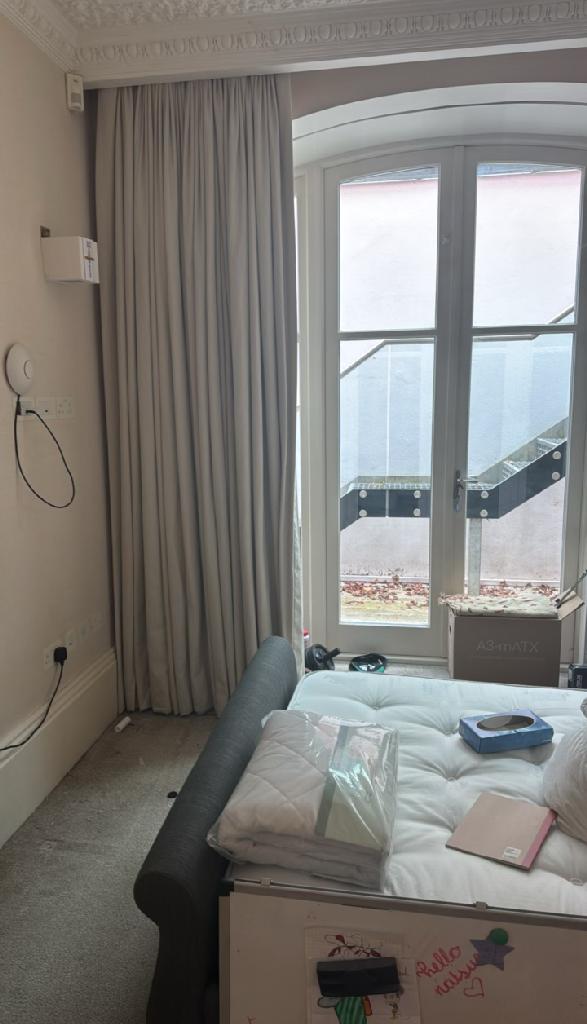
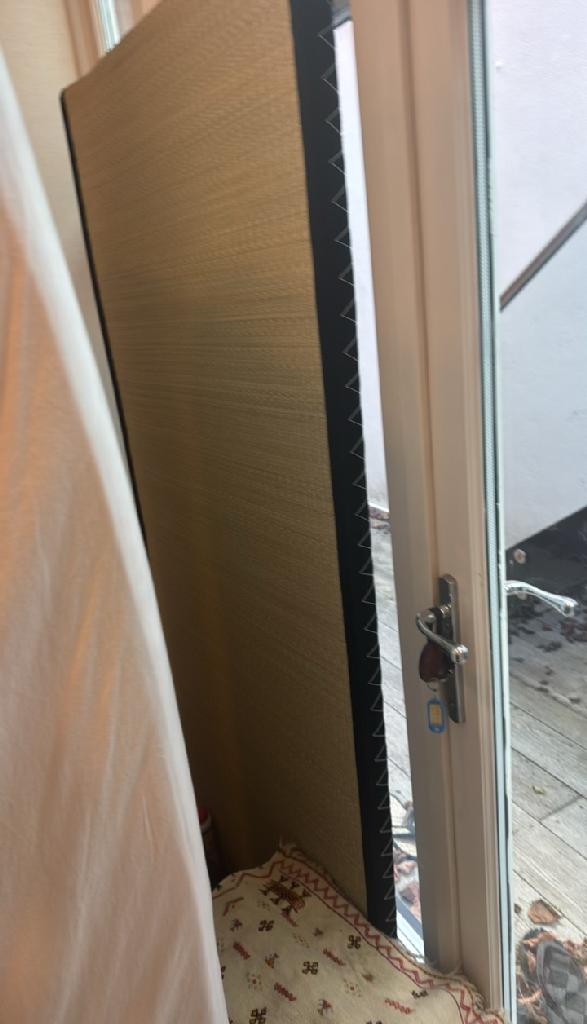
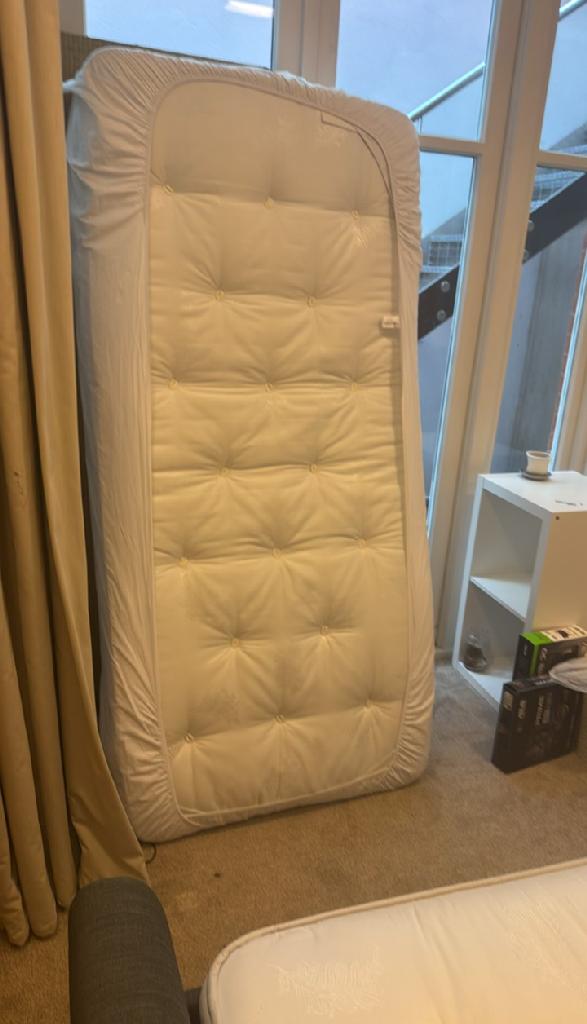
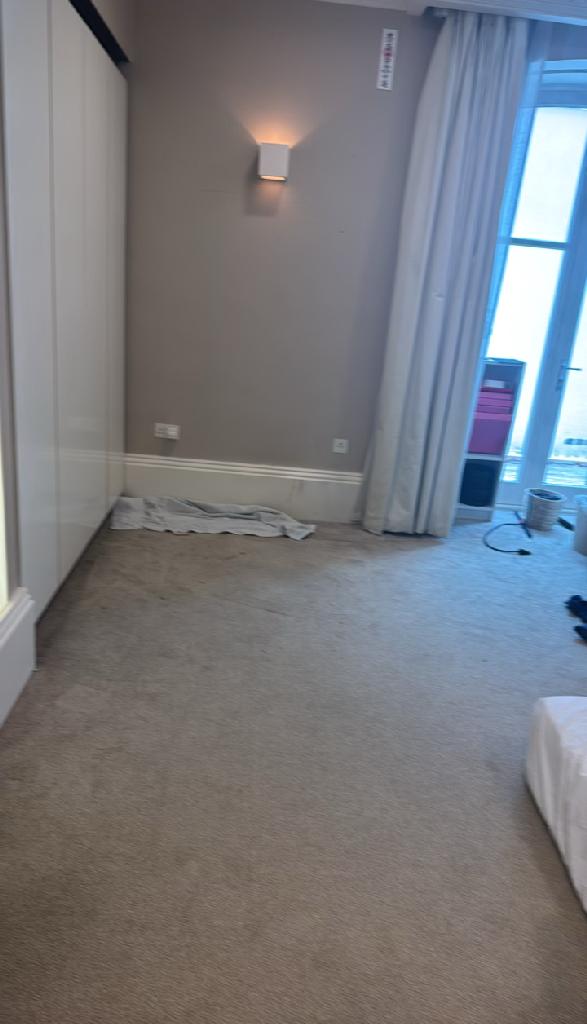
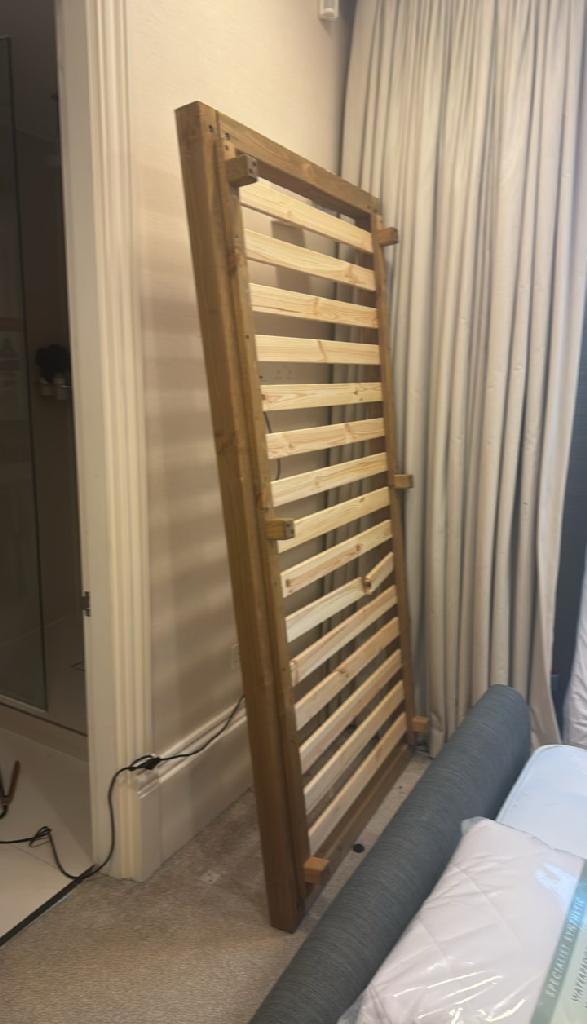
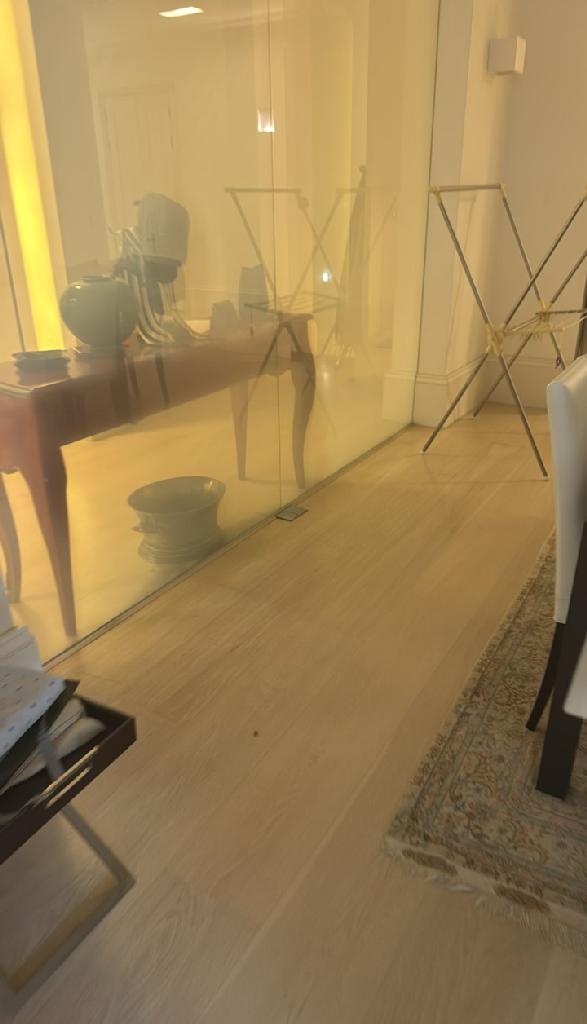
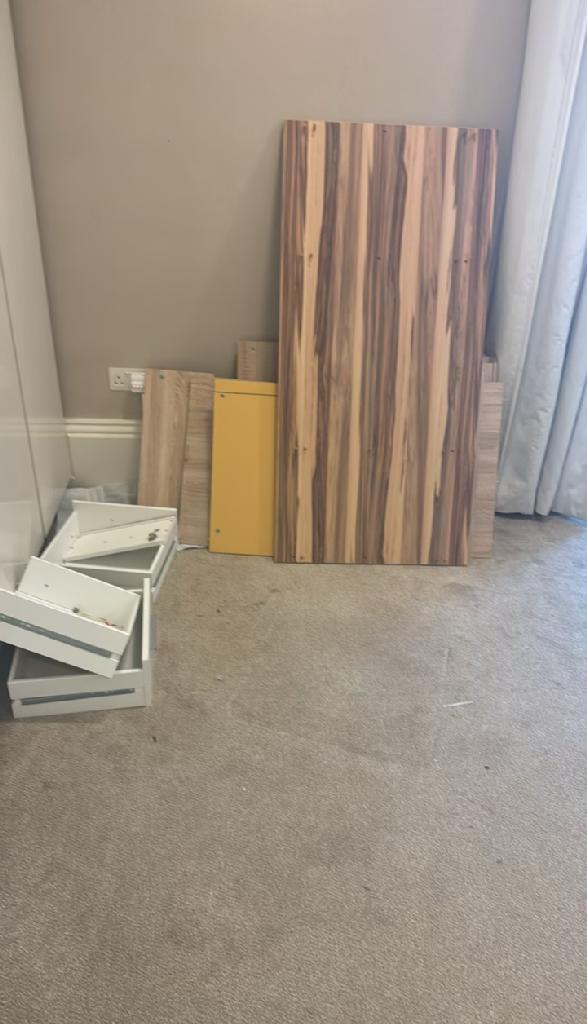
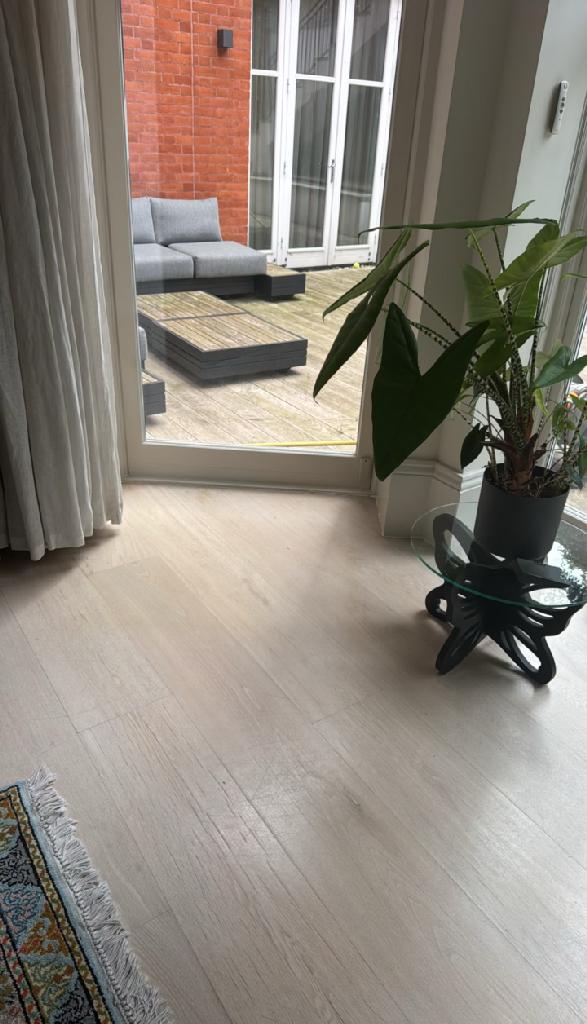
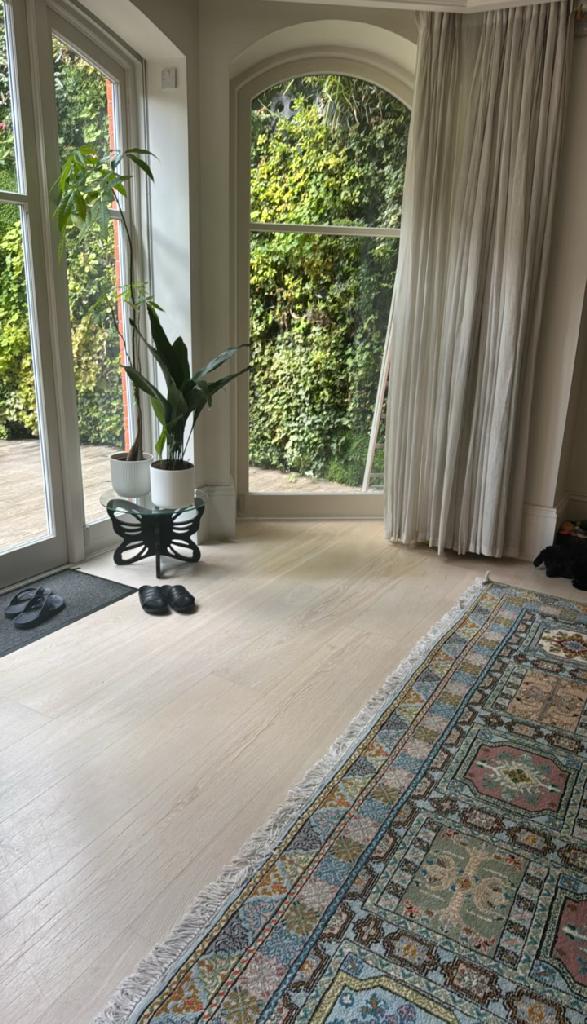
Living Room Furniture Clearance in Hampstead
When a home in Hampstead needed a fast, reliable clearance, the job had to be handled with care from first contact through to final cleanup. This case study documents, from a verified historical job record provided for publication on houseclearance.co, exactly how a living room furniture clearance in Hampstead was carried out where bulky upholstery items and other unwanted household pieces were blocking usable floor space in a living room. Anyone comparing options for house clearance in Hampstead can see from this example what a single-room furniture job actually involves. The goal was straightforward: remove the unwanted items efficiently, handle everything safely, and leave the room ready to use again - the kind of outcome that matters just as much in a Hampstead living room as it would anywhere else in London.
The situation: Before the clearance began, the room showed several large items reducing walking space and making the area feel cluttered. Upholstery pieces were present in the living space, and other household furniture and panels had been arranged in a way that limited access from the doorway through to the seating area. In one view, the floor near the door and the internal circulation path appeared obstructed, making it harder to move safely around the room. In another, an upright bulky item leaned close to the room's edge while seating and additional pieces sat within the main floor zone, creating dense visual and physical clutter. From a waste-removal perspective, this kind of job calls for attention to safe lift points, careful removal sequencing, and practical planning so items don't snag on door frames, soft furnishings or flooring on the way out.
How the clearance was carried out: The provider approached the job with a clear workflow so the room in Hampstead was respected throughout. Each stage followed a professional sequence: preparing for safe access, loading items in a controlled way, sorting materials, and completing a thorough cleanup. On arrival, the team assessed the room layout and worked out the most practical routes for removal, taking into account door clearances, surrounding surfaces, and the need to avoid dragging items across the floor. Careful positioning at this stage also helps prevent damage to soft furnishings and reduces the chance of debris falling as bulky pieces are carried out.
Once items were ready to leave the property, they were sorted so the resulting waste could be handled appropriately. Upholstery clearance generally involves managing soft materials and related components in a way that supports suitable downstream disposal or processing, and sorting on site keeps the workflow efficient while reducing unnecessary revisits or delays. The removal phase itself focused on lifting and carrying items safely, using controlled movement so each piece could be taken out without unnecessary contact with walls, skirting boards, door frames or flooring - a genuinely relevant consideration in Hampstead, where many homes have detailed interior finishes that are easy to mark if a bulky item is rushed through a doorway.
For this particular job, the items removed were the bulky pieces obstructing the usable floor area of the living room, including upholstery pieces and other unwanted household panels. After the items were taken away, a cleanup pass followed to remove any small debris and leave the area visibly tidy. The objective at this stage wasn't only to remove rubbish but to restore the room to a genuinely clean, presentable condition. The final check looked at how the space felt once empty: floor coverage, access around the doorway, and whether the layout was properly clear and ready to use rather than only partially improved.
The result: After the removal service was completed, the transformation was clear. The living room in Hampstead moved from a cluttered arrangement with bulky upholstery items and obstructed floor space to an open area with improved movement and accessibility. Where the before views show items taking up significant floor volume near the doorway, the after views show a more spacious layout with a clear path from the entrance through to the seating zones. The floor area was left clean, making the room considerably easier to use as intended once the carrier had gone.
Every job on houseclearance.co is quoted on individually by licensed carriers - £490.00 was this job's agreed price, not a fixed rate for Hampstead or for living room furniture clearance generally.
How a house clearance typically works in Hampstead
The general process, not a fact about the case study above.
Work out what's staying and what's going
Before a carrier lifts anything, it helps to decide what's staying in daily use, what's going into storage, and what's genuinely being thrown out-only that last category is what gets removed. For a single furnished room like the one in this case study, that sort can be done in an afternoon; a full multi-floor house clearance in Hampstead naturally takes longer to work through.
Work to a fixed deadline where one applies
Where a firm date is involved-a move-out, the end of a tenancy, or just wanting a room free for everyday use again-the clearance has to be scheduled and finished inside that window rather than left open to slip.
Sort before you clear
Setting aside anything that's staying or being relocated elsewhere in the property, before the carrier turns up, means they remove exactly what's being left behind rather than having to establish the scope on arrival.
Donation, recycling and responsible disposal
Landfill is the fallback, not the starting point: whatever a carrier removes gets sorted afterwards, with donation considered first, recycling next, and only genuinely unusable material sent for disposal-the same sequence that applied to the upholstery and household items taken out of the Hampstead living room in this case study.
Final check and handover
Before wrapping up, a good carrier walks the room once more to check nothing's been overlooked and the floor is fully clear, leaving the space genuinely ready for its next use.
On the platform, this whole process starts the same way regardless of area: Post the job with your postcode and details, and compare quotes from licensed local carriers who cover Hampstead - there's never a single fixed price set by us.
Property types and access in Hampstead
What a carrier needs to know before pricing the job.
Housing around Hampstead leans older and larger than much of Inner London, with Georgian and Victorian houses common near the Heath and through Hampstead Village itself, many with a loft and a cellar in addition to the main living floors. A house clearance in Hampstead quite often has to deal with a period property inside a conservation area, where the streets themselves are narrow, steep or both, and it's one of the reasons carriers ask about floor level and access before committing to a quote rather than after. Closer to South End Green and towards Belsize Park, purpose-built mansion blocks and converted period houses become more frequent, often with several flats sharing one street entrance and no lift.
Indoor clearances like the one in this case study bring their own access considerations too. Where the job is confined to a single room such as a living area, the route between that room and the property's own front door still needs planning before loading begins, since door frames, flooring and soft furnishings along the way can be as much of a constraint as the volume of items themselves. Bulky upholstery in particular needs a clear run to the exit, rather than being manoeuvred round tight corners under time pressure.
Volume alone doesn't determine a quote for a Hampstead job-stairs, lift availability and how far the vehicle can park from the door carry just as much weight, which is exactly why it's worth stating those details when you post rather than letting a carrier find them out for themselves on arrival. No single property type is inherently harder to clear than another; it's the access picture that shapes the price.
What's typically included in a clearance
Household contents and mixed waste, not a fixed list of categories.
Most clearances cover the general accumulation of furniture, boxed belongings, mixed waste and bulky items that builds up in a property over time, whether that's a single living room like the one in this case study or a full multi-floor house near the Heath. What drives the quote is usually the overall volume of contents to be removed rather than the specific mix of categories-a room full of upholstery and household panels can take about as long to clear as one with a different mix of furniture, depending on access.
Sofas, armchairs and other upholstered pieces are a common feature of Hampstead household clearances, alongside general furniture, boxed belongings and loose household items that accumulate around the bulkier pieces. Old carpets, curtains and general soft furnishings are usually included in household jobs alongside the bulkier items, as is anything left behind by a previous occupant that isn't being kept by the current one. Describing the rough scale of the job-a single room, a full floor, or an entire house-helps a carrier judge volume before they even see photographs, and photographs on top of that description tend to sharpen the estimate further still.
Items that need special handling
Worth flagging when you post, not discovering on the day.
A handful of item types fall outside what a routine living room clearance like this one covers, and are worth flagging before a carrier quotes: paint, solvents and gas canisters count as hazardous waste; Hampstead's stock of older Victorian and Georgian houses can occasionally have asbestos present, worth checking for rather than assuming; fridges and freezers need WEEE-compliant handling because of the refrigerant gases inside them; and rubble, old kitchen units and similar building or renovation waste get priced separately by some carriers and folded into the quote by others.
Naming any of these when you post lets the carrier work out the right disposal route ahead of time instead of having to requote or leave something behind once they've arrived. It's a minor extra detail at posting stage that saves everyone hassle later, and means the carrier shows up with the right vehicle and kit already sorted.
What affects your price
Real quotes, not a published rate card.
houseclearance.co doesn't set a fixed price for a house clearance in Hampstead-carriers quote on each job individually, and a number of practical factors shape those quotes:
- Overall volume of contents to be removed
- Access-stairs, lift availability, and distance to where the vehicle can park
- Parking or loading restrictions near the property, including controlled parking zones common across much of Hampstead
- Whether furniture or upholstered items need dismantling before removal
- Any specialist waste requiring separate handling
- Likely number of loads or vehicle trips
- How urgent the job is
None of these work as a fixed multiplier-they're simply the details that make one job take longer, or need more vehicle space, than another. The 32-minute duration and £490.00 price for this job reflect its particular scope and access conditions, not a rate that applies to every Hampstead living room furniture clearance. The more detail you include when you post, the less likely a quote is to shift once a carrier actually sees the room.
Dismantling, doorways and reuse for bulky furniture
Why upholstery and larger furniture pieces need their own plan.
Bulky upholstery is awkward to move for reasons that aren't always obvious until a piece is actually being carried out of a room. A three-seat sofa or a deep armchair rarely fits through a standard doorway at the angle it naturally sits in, so it has to be tilted, turned on its end, or in some cases partly dismantled - removing legs, cushions or a detachable back panel - before it will pass through cleanly. The before photos from this Hampstead job show upholstery positioned close to the doorway and internal walkway, which is exactly the kind of layout where a carrier needs to work out the exit angle before lifting anything, rather than discovering partway through that a piece won't clear the frame as it stands.
Door and corridor width matter more in period Hampstead housing than in a lot of newer builds, since Georgian and Victorian internal doorways were generally built narrower than modern standard sizes. That makes a careful measure-first approach worthwhile before a bulky sofa or wardrobe-style piece is committed to a particular route out of the property - walking the piece back into a room because it doesn't fit round a corner costs far more time than checking the width in advance. Where a piece genuinely won't pass through in one section, partial dismantling on-site is the usual fallback, taking off protruding elements such as arms, legs or a headboard rather than forcing the frame through a gap it wasn't built to pass through.
What happens to the furniture afterwards
Upholstered furniture in reasonable condition is generally prioritised for reuse before anything else - a sofa or armchair with life left in it is more useful to a charity or reuse scheme than broken down for materials. Where upholstery is too worn, damaged or unhygienic to pass on, it's treated as waste for disposal instead, with any recyclable frame components such as wood or metal separated out where practical. Which category a given piece falls into is a judgement made on the day, based on genuine condition rather than age alone.
Weight and volume, not just the number of items
A single large upholstered piece can occupy as much space in a loading vehicle as several smaller items combined, which is why volume rather than item count tends to drive both the time a job takes and the price a carrier quotes. Mentioning the rough size and number of bulky pieces when posting a job - a two-seat sofa versus a corner unit, for example - helps a carrier judge in advance whether one vehicle load will be enough or whether the job needs planning around more than one trip.
Preparing for clearance day
A short checklist that helps the day run smoothly.
Once a quote has been accepted, a bit of preparation generally makes the visit itself faster and less stressful, particularly in a property with limited parking or a room with a single narrow access route like the one in this case study.
- Set aside anything being kept, clearly separated from what's being cleared
- Confirm parking or loading arrangements with the carrier in advance
- Let a building manager or site contact know a clearance visit is happening
- Flag any items needing special handling before the day itself
- Note any fixed deadline-moving date, handover date, or a change of use for the room
- Decide who will be present, or nominate a contact to give access
- Clear a walk path in advance if the room is particularly congested
Not planning to stay for the whole job? Settle access arrangements with the carrier before the day itself rather than at the door-something that comes up often with probate clearances, where whoever's organising things may be arranging it from outside Hampstead entirely.
Responsible disposal
Reuse and recycling before anything goes to landfill.
Every carrier on the carrier network is required to sort what they collect rather than treat it as one undifferentiated load. Furniture and household items in decent condition usually go to local charities or reuse schemes first, metal, wood and electricals are pulled out for recycling, and landfill is the last resort for whatever genuinely can't be reused or recycled. The finer detail of how that's handled can differ a little between carriers, so it's worth checking directly if it matters to you when comparing quotes. See responsible disposal for more on how this is expected to work across the platform.
More generally, anyone planning a similar clearance in Hampstead may wish to start with the job request form and post the job with as much detail as possible-room or property type, access, floor level, and anything needing special handling-before comparing quotes from licensed waste carriers covering the area. It's the same process regardless of whether the job is a single-room clearance, a full household clearance, a probate clearance or a straightforward end-of-tenancy handover.
Questions about house clearance
Common questions, answered generally rather than for this one example.
Was this a real completed job?
Yes. The £490.00 price, the 32-minute duration and the before-and-after photos above all come from a genuine living room furniture clearance carried out in Hampstead (NW3), logged under Job Ref: 181 in a verified historical job record supplied to houseclearance.co for publication-none of these figures were made up for illustration.
How much does a job like this typically cost?
This particular job cost £490.00 for 32 minutes of work clearing bulky upholstery and household items from a living room. That price reflects this job's specific scope and access conditions rather than a fixed rate-every job on the platform is quote on individually, so get a price estimate for your own situation.
Does houseclearance.co cover all of Hampstead?
Yes-the whole of Hampstead falls within the Camden carrier network on the platform, which is how a job like this living room furniture clearance got matched with a local carrier in the first place. Post from anywhere in the area and nearby licensed carriers with spare capacity can quote on it.
Can a carrier remove bulky upholstery like sofas and armchairs?
Yes-this case study is exactly that kind of job. Carriers on the platform handle bulky upholstery and household furniture as well as general mixed waste, and access is planned the same way: assess the route to the exit before loading begins.
How does the quotation process actually work?
Post the job with your postcode and access details. Licensed carriers covering Hampstead review the listing and submit quotes, and you choose whichever offer suits your budget and timeline-or none at all, if nothing fits.
What happens to the waste once it's collected?
Nothing goes straight to a single skip. Furniture and household goods that are still usable are offered on to charities or reuse schemes first, recyclable materials get pulled out separately, and only what's genuinely beyond use ends up as landfill.
Is parking likely to be an issue on the day?
On some of Hampstead's steeper streets, yes-controlled parking zones and loading restrictions are common there. Flagging that at posting stage means the carrier can build the loading window into their plan in advance, rather than burning time working it out once they've already arrived.
Can I request a same-day or short-notice clearance?
It's a matter of which carriers happen to be free near your postcode on the day you post. Short notice doesn't rule it out, but it does shrink the number of carriers who can realistically say yes, so posting early gives an urgent job the best chance.
Dealing with a house clearance in Hampstead?
Post the job and compare quotes from licensed carriers.
Get my priceRead about house clearance coverage in Hampstead, or see more case studies.